


What a furnace that keeps shutting off means in Waco
It usually starts one of two ways. The furnace will not light at all and the house is getting colder by the hour, or it lights, runs a few minutes, and shuts itself off, then tries again and does the same thing. Some callers describe a burning smell near the closet or garage where the furnace sits. Others hear a rattle in the blower that was not there last winter. A few have a carbon monoxide alarm going off, which is a different call entirely and means everyone leaves the house before anyone dials a number.
McLennan County heating season is mild most of the time, broken by short hard freezes that arrive with little warning. A furnace that has not fired since the last cold snap has to prove ignition, draft and flame signal the first night it is asked to run hard, and that is exactly when a coated flame sensor, a weak inducer motor or a pressure switch stuck open by a blocked flue shows up. None of those are dramatic failures on their own. They read as a furnace that tries, quits, and tries again, which most homeowners describe as it just keeps shutting off.
The condition that changes the whole call is a cracked heat exchanger. Once a crack lets combustion gas mix with the air the blower is pushing through the house, the furnace is no longer a repair candidate for the night. Carbon monoxide reaching the living space is the point where the equipment gets shut off rather than patched, and it stays off until it is confirmed safe. That sequence, from a hairline crack to gas in the airstream to a shutoff, is the one thing on this page worth remembering before you decide whether tonight's furnace problem can wait until morning.
Waiting past that point does not fix itself. A furnace that is locking out on repeated ignition attempts will keep doing it colder each hour, and a house with an infant, an older adult, or anyone with a heart or lung condition loses its margin faster than most people expect on a genuinely cold night. The blower motor may still turn, and the igniter may still glow, but the sequence breaks down when either component weakens under the repeated thermal stress of a cycle that fails to complete. Homes in the greater metro experience these failures most often in January and February, when outdoor temperatures drop below freezing and stay there for several days at a stretch, pushing furnaces into continuous operation.
More detail on emergency blower motor replacement is on its own page.
The U.S. Department of Energy's home heating and cooling guide explains the efficiency math behind our recommendations.
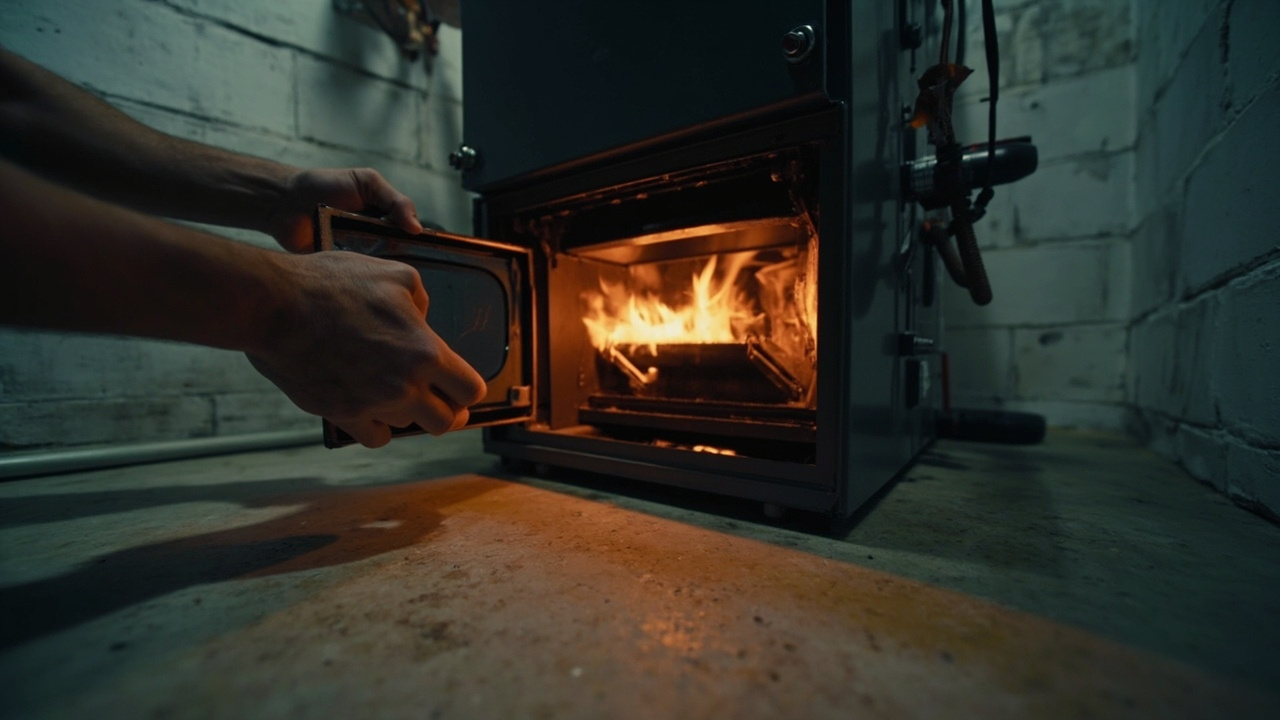
How we find the cause before the furnace runs again
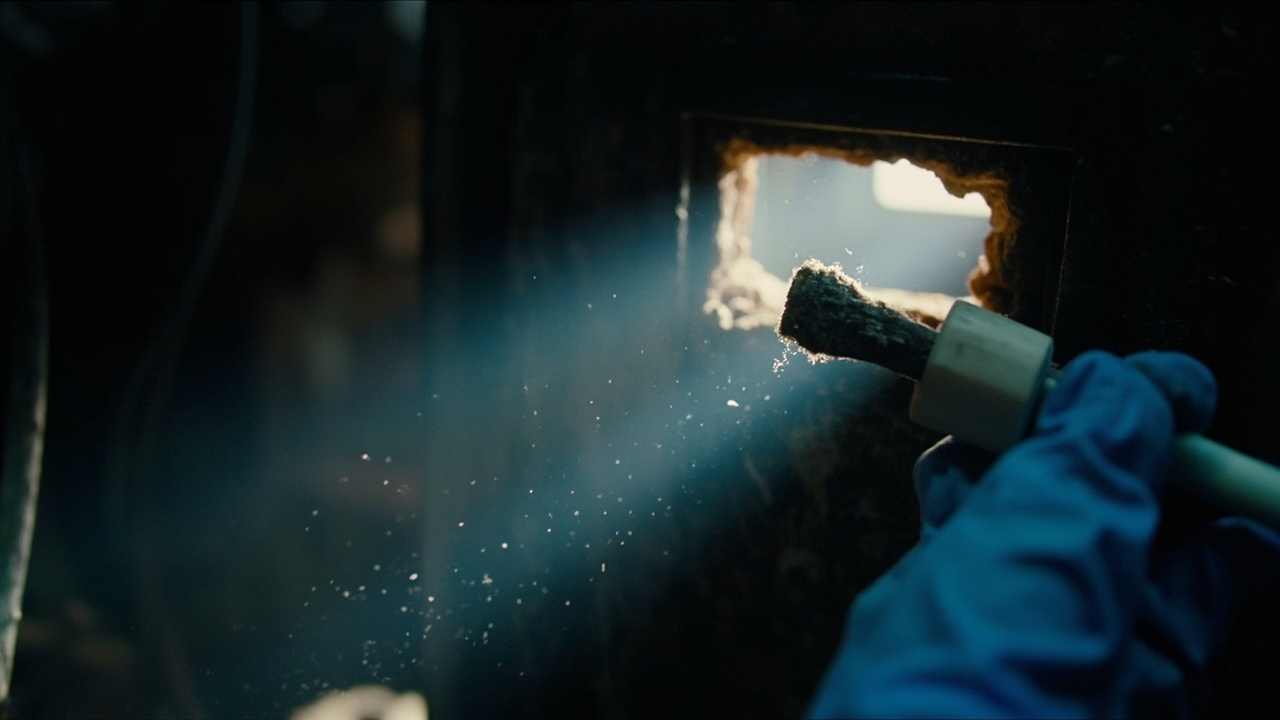
The order matters before any panel comes off. Power and gas supply are confirmed first, then the ignition sequence, then whether the flame proves and stays proved, then whether the inducer motor is pulling draft the pressure switch can confirm. Only after that sequence clears does anything behind the blower door get opened, because a furnace that fails on ignition or draft will fail the same way no matter what gets replaced downstream of it.
Each reading rules out a branch rather than confirming a guess. A flame sensor is read in microamps against the control board's dropout point, and a signal drifting near that point explains a lockout that looked random. A pressure switch is checked for continuity against the draft it is supposed to sense, which separates a bad switch from a blocked flue doing the same job of holding the switch open. The combustion analyzer goes into the flue only once the burner has run long enough to settle, and the carbon monoxide and oxygen numbers at that point decide whether the exchanger is combusting cleanly or whether the furnace comes off the wall for a closer look.
Where a house runs a heat pump instead of gas, the same cold snap tests it differently. A heat pump loses output as the outdoor temperature drops and falls back on strip heat once it passes its balance point, so a house that stayed warm on a mild December night can struggle on the first hard freeze even with nothing broken. Older neighborhoods still carrying a gas furnace in a hall closet or garage take the load a different way, through ignition, flame proving and draft rather than through a compressor losing capacity. The diagnostic sequence matters because each step either confirms the burner is safe to run or flags which component is preventing ignition or holding the flame off. This order is built around combustion rather than refrigerant, which is why gas furnace diagnosis follows ignition, flame proving and draft as the framework before any panel gets opened.
Our page on emergency boiler repair covers that side of the work in more depth.
When we spec replacement equipment, ENERGY STAR's heating and cooling ratings are the baseline we work from.
Ask which of these readings was taken before any part is replaced.
| Instrument | Good reading | Bad reading | What it changes |
|---|---|---|---|
| Micron gauge during evacuation | Below 500 microns and holding there after the pump is valved off | A reading that climbs back up | Moisture is still boiling off inside or the system is not sealed |
| Filter, coil and condensate inspection | Light passes through the filter pleats, the coil fins are clean | A matted filter, a coil with ice on it | A homeowner who has never seen the inside of their air handler makes a different decision |
| Flame sensor signal check in microamps | A steady signal well above the control board dropout point | A weak or drifting signal | The sensor is coated and the burner will drop out |
| Manifold gauges with superheat and subcooling readings | Superheat and subcooling both landing in the range the equipment maker specifies for that metering device | High superheat with low subcooling | An undercharge or a restriction rather than a weak compressor |
How an emergency furnace call runs
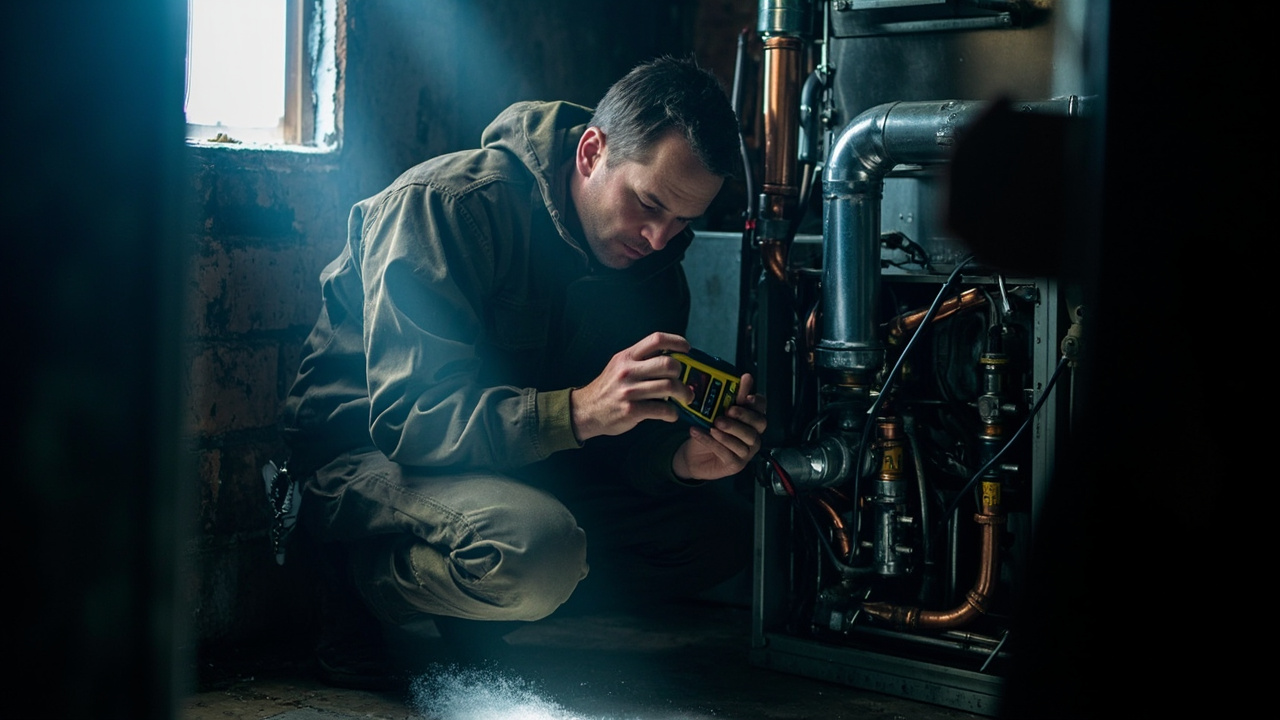
Phone triage and dispatch
The call starts with what you are seeing and hearing. We ask how old the furnace is if you know it, whether it lights and quits or does not try at all, whether anyone smells gas, and which rooms are cold. Those answers decide whether this is an urgent heating repair service call tonight or one that can hold for a scheduled morning visit. If a carbon monoxide alarm is sounding or gas is smelled, we tell you to leave the house and call from outside before anything else happens, and the technician is dispatched to a cleared house.
On site diagnosis
The furnace gets checked in order, power and gas supply, ignition sequence, flame proving and draft, before any panel behind the blower comes off. If the furnace is locking out, that pattern gets traced to the flame sensor, the pressure switch, or the inducer rather than assumed. Once combustion is stable enough to test, the combustion analyzer goes into the flue and the burner is given a few minutes to settle before that reading is trusted enough to decide anything.
Verification before we leave
The furnace has to hold a steady carbon monoxide reading with the burner settled before it is left running, and if that reading will not settle, the furnace stays off rather than getting restarted on a guess. We walk you through what the flame sensor, pressure switch or exchanger reading showed and leave you with the written scope of what was done, so the next call, if there is one, starts from a known baseline instead of zero.
Why a Waco winter call is different from a mild night call
McLennan County heating season runs mild for most of its length, which means a furnace can sit idle for weeks between calls for heat. That idle stretch is exactly what lets a coated flame sensor or a slowly drifting pressure switch go unnoticed, because the furnace was never asked to prove itself under load. The first hard freeze forces every one of those marginal conditions to surface at once, and it usually happens on the coldest night rather than a convenient afternoon.
A crew unfamiliar with that rhythm tends to treat a lockout as a one time glitch, resets the board, and leaves. The furnace fires again for a night or two, then locks out again on the next freeze because the underlying flame signal or draft problem was never measured, only reset. Resetting a lockout without a combustion reading and a microamp check on the flame sensor is the mistake that turns a same day fix into a repeat emergency call two weeks later.
Housing stock plays into this too. Many mid century houses in this area still run a furnace out of a hall closet or garage with attic ductwork added or resized over the years, and a furnace in that kind of enclosed closet space depends on a clear combustion air path and an unobstructed flue to draft correctly. A blocked or corroded flue on an older setup will trip the pressure switch long before anyone smells anything, which is one more reason the pressure switch and the flue get checked together rather than one at a time.
The right approach walks through the furnace in sequence on every service call, not just when it fails. A combustion check measures the flame signal strength and oxygen content of the flue gas. A pressure switch test verifies the differential against the setpoint. A visual inspection of the flue path catches corrosion, blockage and venting violations before they trigger a lockout on the next cold snap. When a hard freeze does arrive and the board locks out, the homeowner gets a phone call about what was found and what needs repair, not a reset and a goodbye.
See 24/7 emergency ac repair for how the related work is scoped and priced.
Your local utility, Utility Bill City of Waco, publishes service and water-quality information every Waco homeowner should know.
What working with us looks like tonight
Getting someone to your door
The call starts with what the furnace is doing, whether it lights at all, whether it locks out and retries, and whether anyone smells gas. Those answers sort the call into tonight or a scheduled morning visit. You get a window before the technician leaves for your address, and if a job ahead of yours runs long because a combustion reading will not settle, you are told before the window passes rather than after it.
Keeping the work contained
Furnace closets and garage installs are tight, so a drop cloth goes down before any panel comes off and tools stay staged in one spot rather than spread across the space. Anything pulled apart to trace a flame sensor or inducer fault gets set aside in sequence, keeping each piece accessible. Before the technician leaves, the closet or garage is put back the way it was found, with the access panel reset and the area clear.
What moves the price tonight
The part and the labor to reach it set the base of the job, but calling during the first hard freeze, when everyone in the county is dialing at once, adds an after hours dispatch cost that a daytime call does not carry. A furnace wedged into a tight closet takes longer to reach than one in an open garage. You see the written scope from the diagnosis, with each driver named, before anything gets repaired or replaced.
Who is at your furnace
A technician working a lockout call has run that ignition and draft sequence enough times to know a coated flame sensor from a failing inducer before parts start getting swapped. On anything where the combustion reading will not settle or an exchanger crack is suspected, a second technician looks at the reading before the furnace is either shut off or cleared to run, so that call does not rest on one person's judgment alone.
You Have Questions,
We Have Answers
It depends on what fails and when you call. The component itself and the effort required to access it form the foundation of the charge, but after hours dispatch during the first hard freeze or the first heat wave, when calls spike across the area at once, moves the cost more than most homeowners expect. Access matters too, since a furnace wedged into a tight closet demands more time than one in an open garage. The diagnosis produces a written scope before any repair begins.
A furnace that will not produce heat during a hard freeze, one that locks out repeatedly on ignition, or any carbon monoxide alarm or gas smell all count. A cracked heat exchanger letting combustion gas reach the living space is the clearest emergency, because the combustion analyzer reading at that point means the furnace gets shut off rather than left running overnight.
Keep everyone away from the furnace closet or garage if gas is smelled, and move anyone vulnerable, an infant, an older adult, or someone with a heart or lung condition, into the room you can keep warmest with layers and blankets. Do not reset a tripped breaker a second time. If a carbon monoxide alarm is sounding, get outside into fresh air and call from there rather than waiting to see if it stops.
Why Waco winters decide when furnaces fail
McLennan County heating season is mostly mild, broken by short hard freezes that show up with little warning between late fall and late winter. A furnace that has been idle for weeks gets asked for full output the same night the freeze hits, and that is when a coated flame sensor, a stuck pressure switch or a weak inducer motor stops being marginal and starts being a lockout. Furnaces set in hall closets or garages, common in older ranch and mid-century houses throughout the region, need combustion air that flows freely and a flue that vents without restriction. These conditions are easy to overlook if the system has not been inspected since the previous cold season. Combustion air blocked by stored items or a flue restricted by debris or ice buildup will trigger a safety shutdown when temperatures drop.
The reading that decides whether a furnace keeps running is taken with a combustion analyzer in the flue once the burner has reached steady state. A low carbon monoxide number with oxygen where the furnace maker expects it means the exchanger and burner are combusting cleanly enough to leave running. Knowing that a furnace idle for weeks requires measurement after thermal stabilization changes how a visit is sequenced here. Skipping the wait and trusting a startup number is how a cracked exchanger gets missed on a cold night. The settled reading reveals what the startup transient obscures. Measurement timing matters as much as the instruments themselves because thermal lag in the heat exchanger alters early readings substantially, masking damage that appears only after the metal stabilizes.
HVAC Services in The Waco Area
Explore our service area and locate Granite HVAC Waco with ease. We're proudly local and serve the surrounding neighborhoods with fast response and honest pricing. Use the map to check our coverage area, or call us and we'll confirm in seconds.
Address:
Granite HVAC Waco, Waco, TX, 76701
Additional Services We Offer
- 24/7 Emergency AC Repair
- After-Hours HVAC Service
- Carbon Monoxide Leak Response
- Emergency Blower Motor Replacement
- Emergency Boiler Repair
- Emergency Commercial HVAC Repair
- Emergency Compressor Replacement
- Emergency Heat Pump Repair
- Emergency Refrigerant Leak Repair
- Emergency Thermostat Replacement
- No Cooling Emergency Service
- No Heat Emergency Service
Changing a filter, resetting a breaker once, and checking thermostat batteries are homeowner jobs and do not need a call. Anything behind the blower door, inside the gas valve, or involving the heat exchanger or flue is not, because combustion gas and line voltage there can hurt someone. If the first visit finds a furnace problem outside what a furnace repair visit covers, we say so on the spot.
Before you call, know whether the furnace tries to light or does nothing at all, and whether it locks out and retries. Note when it started and what changed right before, whether you smell gas, and the furnace's age if you know it. Find where the furnace closet or garage access is so the technician is not searching for it on arrival.
Last reviewed September 2026 by Dale Whitfield, Service manager.