




What a sounding CO alarm during a furnace cycle means in Waco
Do these things first, in order. If the carbon monoxide alarm is sounding, get everyone outside into fresh air and make the call from out there, not from a doorway. If you smell gas anywhere near the furnace, do not touch a switch or the thermostat, leave the house, and call Atmos Energy from outside before you call anyone else. If an infant, an older adult, or anyone with a heart or lung condition is in the house, get them into the fresh air with everyone else first and be ready to say who was inside when you call.
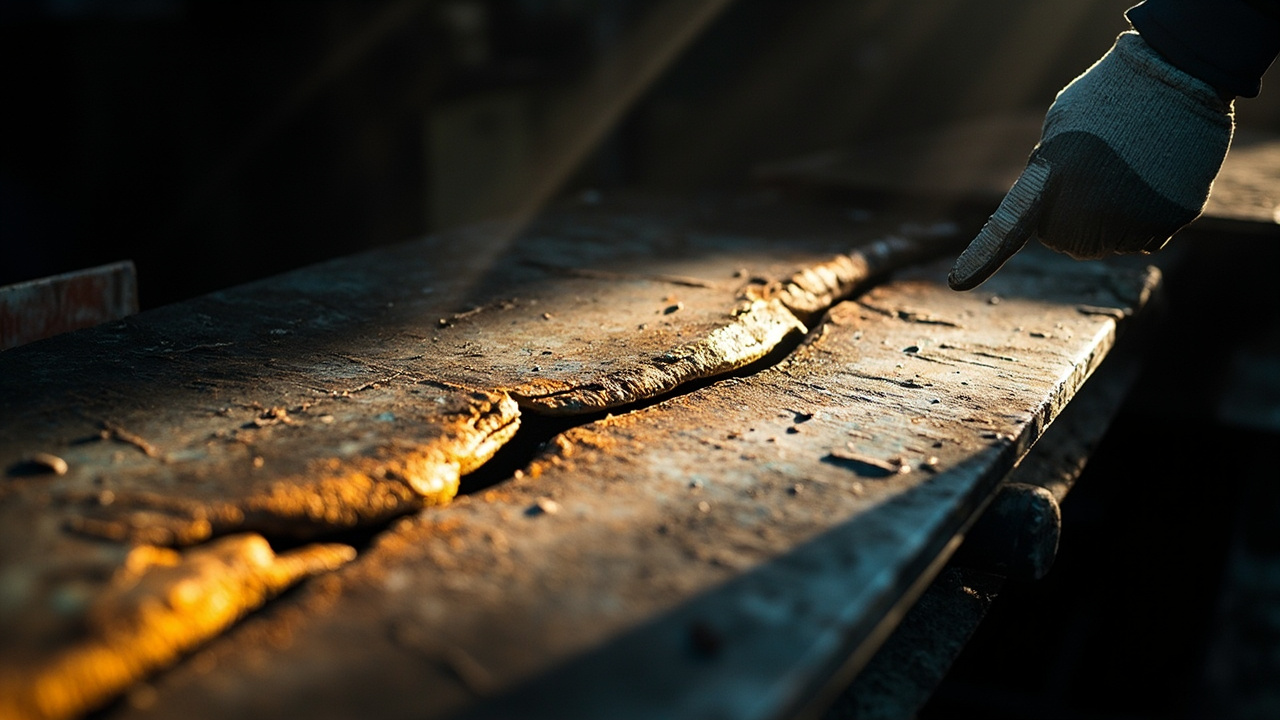
A carbon monoxide alarm going off while the furnace is running is not a detector glitch. It means combustion gas is reaching a part of the house it should never reach. Furnaces produce carbon monoxide as a normal byproduct of burning gas, and a sealed heat exchanger and a clear flue are what keep that gas outside the house instead of in the return air stream. When the metal in that heat exchanger cracks, or the venting is blocked or pulling wrong, the combustion gas mixes into the air the blower is pushing through the ducts, and the carbon monoxide travels to whatever room the supply registers reach.
Waco heating season runs short and mild most winters, broken by sudden hard freezes. A furnace that has barely fired since the last cold snap gets asked to run for hours straight the next one, and that is when a hairline crack in the heat exchanger or a flue that shifted over the summer shows up as an alarm rather than a comfort complaint. The furnace was fine at idle and failed under load.
The escalation here is short and it does not wait for a second warning. A cracked heat exchanger lets combustion gas mix into the circulating air, the carbon monoxide reaches the living space, and the furnace has to be shut off entirely rather than patched while it is still running. Waiting through one more cycle to see if the alarm stops on its own is the wrong call. The furnace stays off until someone puts a combustion analyzer in the flue and reads it.
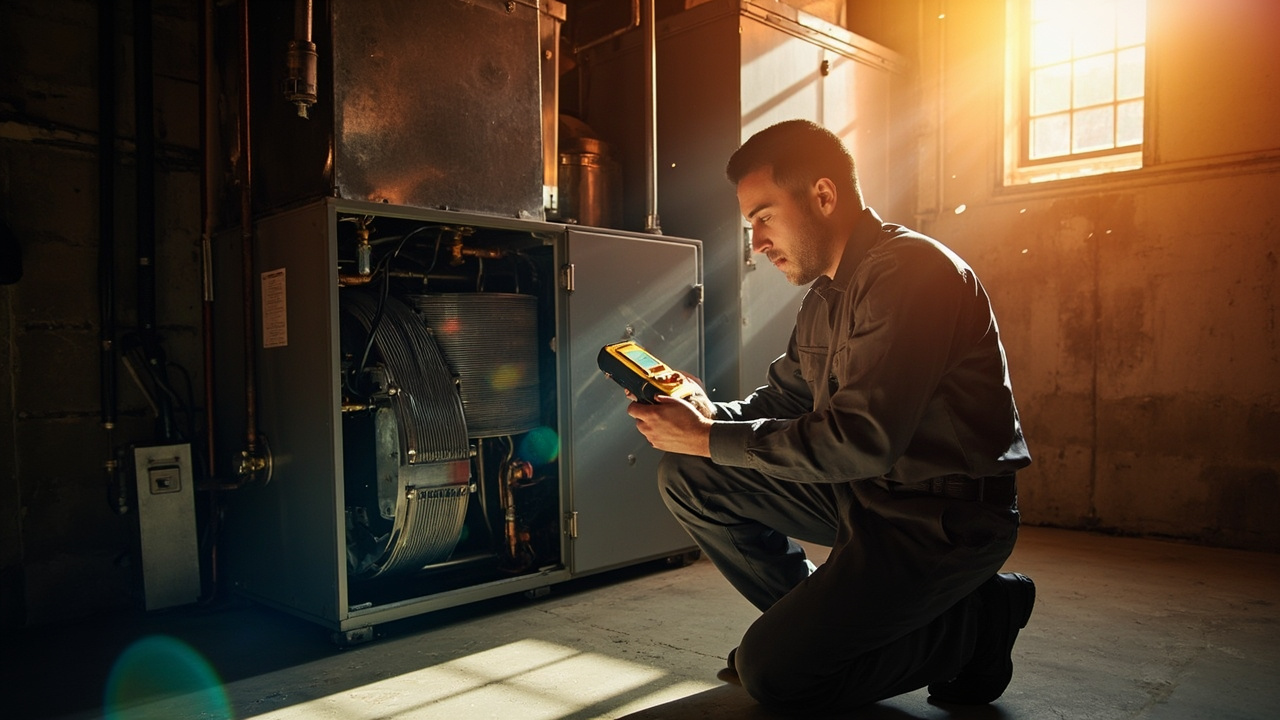
A combustion analyzer measures the exact concentration of carbon monoxide in the exhaust stream at the flue outlet. If the reading is above 400 parts per million, the heat exchanger has failed and cannot be repaired. The furnace is done. If the reading is below 100 parts per million during steady operation, the system is safe and the alarm may have been triggered by a brief spike during startup or shutdown. The analyzer tells you which one it was.
If this sounds close but not quite your situation, 24/7 emergency ac repair may be the better starting point.
Before any install, check the ENERGY STAR rebate finder, utility incentives regularly knock hundreds off a qualifying system.
How we isolate the furnace as the source before anyone goes back inside
The order on a suspected furnace leak is fixed and none of the steps get skipped to save time. Ignition and flame signal get proven first, since a flame sensor drifting toward its dropout point produces the short cycling that often accompanies a combustion fault. Draft and the pressure switch get proven next, because a flue that is not pulling correctly or a switch stuck closed by a blocked vent changes how combustion gas moves once the burner lights. Temperature rise across the heat exchanger gets checked against the furnace data plate before the combustion analyzer probe ever goes into the flue, because a rise outside that range points at airflow or a chamber problem before a single gas reading is trusted.
Once those checks clear, the furnace runs its normal cycle with the analyzer reading carbon monoxide and oxygen in the flue gas stream. A reading that holds low and steady once the burner has settled clears the equipment. A reading that climbs as the cycle continues, or any carbon monoxide showing up in the return air during the walkthrough, means the heat exchanger or the venting is the source and the furnace comes off the moment that number moves. The flame sensor signal in microamps gets read at the same visit, since a coated sensor produces the repeated lockouts that sometimes get mistaken for the same fault a cracked exchanger causes.
Where the exchanger itself is the source, the decision that follows is bigger than a part swap. A gas furnace burns fuel to produce heat and always carries some combustion risk in the exchanger and vent, while a heat pump moves heat without a flame or a flue at all, so replacing a failed furnace with a heat pump removes that risk from the house entirely rather than repairing it. A dual fuel setup keeps a furnace only for the coldest stretch and lets a heat pump carry the mild months, which changes how often that exchanger cycles and how much thermal stress it sees over its life.
See after-hours hvac service for how the related work is scoped and priced.
We install and service major brands like Carrier and register every unit to manufacturer specifications.
Ask which of these readings was taken before any part is replaced.
| Instrument | Good reading | Bad reading | What it changes |
|---|---|---|---|
| Manifold gauges with superheat and subcooling readings | Superheat and subcooling both landing in the range the equipment maker specifies for that metering device | High superheat with low subcooling | An undercharge or a restriction rather than a weak compressor |
| Micron gauge during evacuation | Below 500 microns and holding there after the pump is valved off | A reading that climbs back up | Moisture is still boiling off inside or the system is not sealed |
| Two probes for delta T between return and supply air | A 16 to 22 degree drop across the coil in cooling at normal indoor humidity | A small drop means airflow or charge is wrong | An unusually large drop means the coil is being starved of air |
| Manometer for total external static pressure across the air handler | Static pressure at or under the maximum printed on the blower data plate | Static above the rating | The filter, the coil or the duct is choking the system |
How a carbon monoxide call runs
Phone assessment and arrival
On the call we confirm when the alarm first triggered, how many times, and whether it happens during heating cycles specifically, along with the furnace's age and the last time anyone serviced it. On site the order is fixed. Heat exchanger surfaces get inspected visually first, then the vent path from the draft hood to the termination gets checked for pitch and blockage, then the combustion air intake gets verified as clear before the analyzer probe goes anywhere near the flue.
Measurement and the decision point
Once the visual sequence is done, the furnace runs its normal cycle while the analyzer reads carbon monoxide and oxygen in the flue, and a flue gas temperature and efficiency check runs alongside it. If the reading holds low and steady, we walk you through what was found and what repair the scope covers before touching anything further. If the reading climbs or any carbon monoxide turns up in the living space during the walkthrough, the furnace gets shut off at the breaker or gas valve on the spot.
Recommendation and verification
Where the fault is a part, a sensor, a switch, or a blocked vent section, the repair happens and the furnace runs again with the flue rechecked. Where the heat exchanger itself is cracked, that is a replacement decision rather than a repair, and we say so plainly. Either way the same combustion analyzer goes back in the flue afterward and has to read carbon monoxide low and steady before we call the furnace cleared and hand back a written record of what was measured.
Why an older Waco furnace closet gets misread by a crew unfamiliar with it
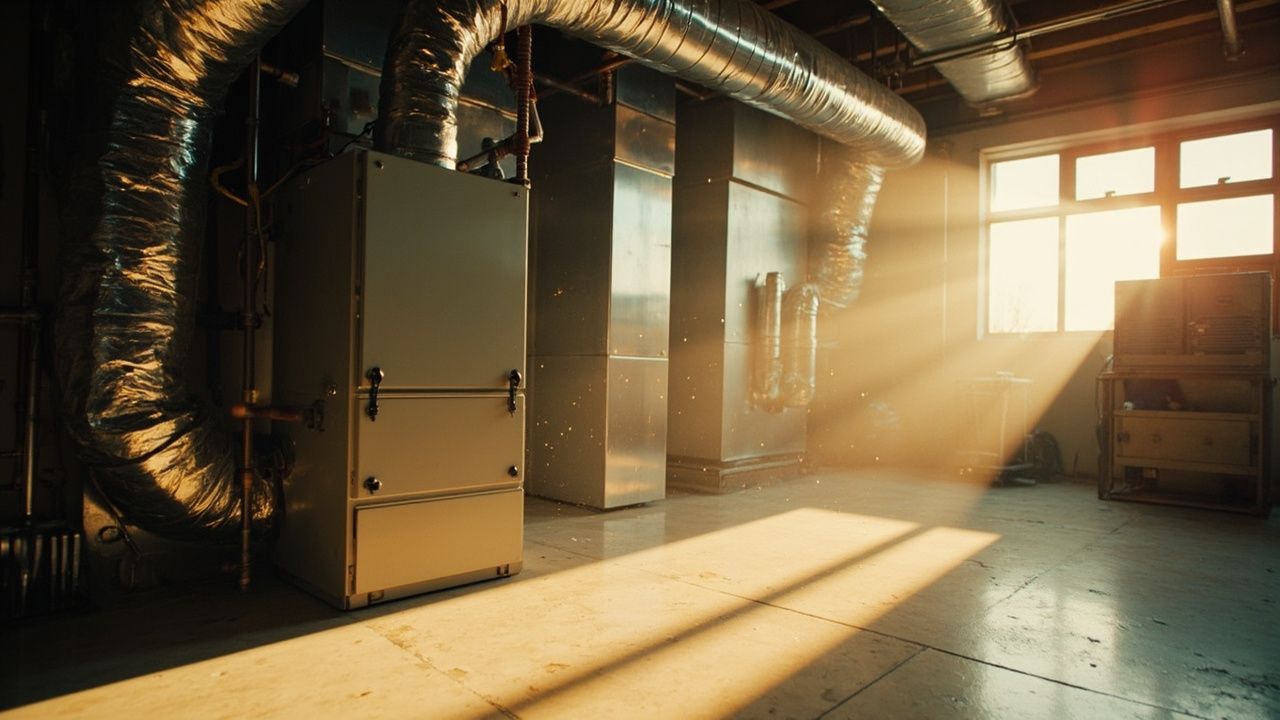
A lot of the furnaces we get called to sit in tight spaces, a hall closet or a garage corner, with the venting and combustion air intake sized for the equipment that was there originally rather than for whatever got swapped in later. A crew that does not work this housing stock regularly tends to check the exchanger, find nothing obvious, and miss that the intake air path has been partly blocked by stored boxes or a door that used to have a louvered vent and now does not. Starved combustion air burns incomplete even with a sound heat exchanger, and that shows up as carbon monoxide with no crack anywhere.
Sizing matters here too. A furnace picked to match the house through a manual J load calculation runs at the output it was designed for and cycles the way the exchanger was built to handle. A furnace that was oversized for the space short cycles more, and the heat exchanger goes through more thermal expansion and contraction over its life than a correctly sized one does, which is one of the ways a crack starts years before anyone hears an alarm. The thermal stress compounds each season, and by the time a homeowner notices symptoms like soot stains around the unit or a persistent odor during startup, the damage inside may already be advanced.
The other thing that gets skipped is the post-alarm sequence itself. Clearing a house for reentry after a carbon monoxide event is not the same step as clearing the furnace to run again, and a crew unfamiliar with that distinction sometimes tells a homeowner the house is safe once the air reads clean, without ever confirming the furnace that caused the reading has been fixed. The air quality check uses a portable monitor that detects parts per million in real time, but that only tells you the current state of the house. A furnace repair verification requires looking at the specific component that failed, confirming the repair, and running the unit through a full cycle to watch for recurrence. Both checks happen, and they happen in that order, on every call across Waco and McLennan County.
Our page on emergency refrigerant leak repair covers that side of the work in more depth.
Permit and inspection questions? Commercial Construction Permits is the office we coordinate with on every permitted Waco job.
What the visit looks like once you call
Getting someone there fast
On the call we confirm whether the alarm is sounding now, whether the house has been cleared, and whether the furnace is off. Those answers decide whether the visit is dispatched immediately or scheduled for later the same day. You get a call back confirming who is coming and roughly when. If a call already in progress runs long, we tell you rather than let the window pass without word.
Keeping the house workable
Before the furnace closet or vent gets opened, the work area gets cleared of anything blocking access so the inspection does not turn into a search. Any panel or vent cover that comes off gets set aside rather than left loose. If the equipment is shut down at the breaker or gas valve, that shutoff point is shown to you before we leave, along with what stays off until the furnace is cleared to run again.
What moves the scope
A part replacement, a sensor, a switch, a vent section, moves the job less than a heat exchanger replacement, which is equipment level work. Whether the fix touches gas piping or electrical wiring feeding the furnace adds a separate permit and inspection step beyond a like for like part swap. Access, a tight closet or a garage corner, adds time before any of that. You see the written scope and the reasoning behind it before anything beyond the diagnostic proceeds.
Who reads the flue
A technician runs calls alongside a lead before reading a combustion analyzer alone, and the lead signs off on catching a reading that looks clean cold but climbs once the burner has run its full cycle. On any furnace where the heat exchanger fault is not obvious on the first pass, a second technician reviews the readings before the equipment is cleared or condemned.
You Have Questions,
We Have Answers
Firefighters measure carbon monoxide levels room by room until every part of the house reads clear before anyone goes back inside. That check confirms the air, not the furnace that produced the gas, so the equipment still needs a combustion analyzer held in the flue through a full burner cycle, reading carbon monoxide low and steady, before it is cleared to run again.
Why Waco furnaces surface carbon monoxide faults the way they do
Heating season here runs mild most of the winter with a short hard freeze breaking it up, so a furnace that has barely run since the last cold snap gets asked for hours of continuous output overnight. That sudden demand is when a heat exchanger that developed a hairline crack over the summer, or a flue that shifted, gets found. Many Waco furnaces also sit in tight hall closets or garage corners from when the house was built, with combustion air intake and venting sized for the equipment that was originally installed there. When intake air gets partly blocked by stored items or a swapped door, the burner draws air it was not designed around, and combustion goes incomplete even with a sound heat exchanger. A technician checks for carbon monoxide spillage during startup to catch these failures before they become dangerous.
Clearing a house for reentry after an alarm and clearing the furnace to run again are two different checks, and we do not treat the first as covering the second. Once the living space air reads clean, the furnace itself still gets the full heat exchanger, vent and combustion air sequence before it is trusted with the next cold snap. A furnace properly sized to its load cycles the way its exchanger was built to handle, distributing heat evenly across the metal. One that runs oversized short cycles more and works that metal harder over its life, which is part of why some furnaces crack years before an alarm ever goes off. The difference compounds across seasons and accelerates wear on internal components that cannot easily be replaced.
HVAC Services in The Waco Area
Explore our service area and locate Granite HVAC Waco with ease. We're proudly local and serve the surrounding neighborhoods with fast response and honest pricing. Use the map to check our coverage area, or call us and we'll confirm in seconds.
Address:
Granite HVAC Waco, Waco, TX, 76701
Additional Services We Offer
- 24/7 Emergency AC Repair
- After-Hours HVAC Service
- Emergency Blower Motor Replacement
- Emergency Boiler Repair
- Emergency Commercial HVAC Repair
- Emergency Compressor Replacement
- Emergency Furnace Repair
- Emergency Heat Pump Repair
- Emergency Refrigerant Leak Repair
- Emergency Thermostat Replacement
- No Cooling Emergency Service
- No Heat Emergency Service
Checking your own detector batteries, keeping the furnace closet clear of stored boxes, and changing the filter on schedule are homeowner jobs and you do not need us for any of them. The boundary is the burner and the flue. Anything behind the burner door, inside the combustion chamber, or in the vent path is not a DIY job, because a wrong reading there is a carbon monoxide event rather than a comfort complaint.
Before you call, know when the alarm first went off and how many times, and whether it activates only during heating or constantly. Know the furnace's age if you have it, and where the gas shutoff or breaker for the unit is located. Say plainly whether anyone is still in the house. Those answers tell us how fast someone needs to be there.
Last reviewed September 2026 by Dale Whitfield, Service manager.