




What a dead or struggling ac means right now
Do this first. If the outdoor unit is humming, buzzing or the breaker keeps tripping, turn the system off at the thermostat and open the outdoor disconnect. Do not reset that breaker a second time. If water is coming from the air handler, shut it off at the thermostat and the breaker so the coil stops icing, then get towels down. If anyone in the house is an infant, an older adult, or has a heart or lung condition, move them into the coolest room you can manage and say so when you call.
Once the house is safe, the actual failure is usually one of three things. The system runs constantly and the air coming out is not cold, which points at airflow or refrigerant charge before it points at the compressor. The unit will not start at all, which is almost always electrical, a capacitor, a contactor or a tripped breaker. Or it runs, seems fine, and the house still will not cool, which is closer to a duct or sizing problem than a breakdown.
A slow refrigerant leak is the one that gets ignored because the system still runs. As charge drops, the system has to run longer to move the same amount of heat, and the oil that lubricates the compressor stops circulating the way it should. Left alone, the compressor loses lubrication and seizes, and a repair that would have been a leak fix and a recharge becomes a full compressor replacement. That shift from a fixable fault to a seized compressor is what makes a no cooling call worth acting on today rather than next week.
If the outdoor unit sits low in the yard, McLennan County flash flooding along creeks feeding the Brazos and Bosque rivers can put standing water against it during a storm. A unit that has been sitting in water should not just get switched back on because the power came back.
Our page on emergency boiler repair covers that side of the work in more depth.
We install and service major brands like Carrier and register every unit to manufacturer specifications.

How we find the actual cause before anything gets replaced
On a no cooling call the order never changes, no matter how hot the house has gotten. We look at the filter, the coil face and the return path first, because a starved system reads like a broken one. Next comes total external static pressure measured with a manometer against the number printed on the blower's data plate, which tells us whether the duct itself can move the air the equipment needs. Only after airflow is cleared do the refrigerant numbers mean anything, so the delta T reading across the coil comes next, and the sealed circuit is the last thing opened rather than the first.
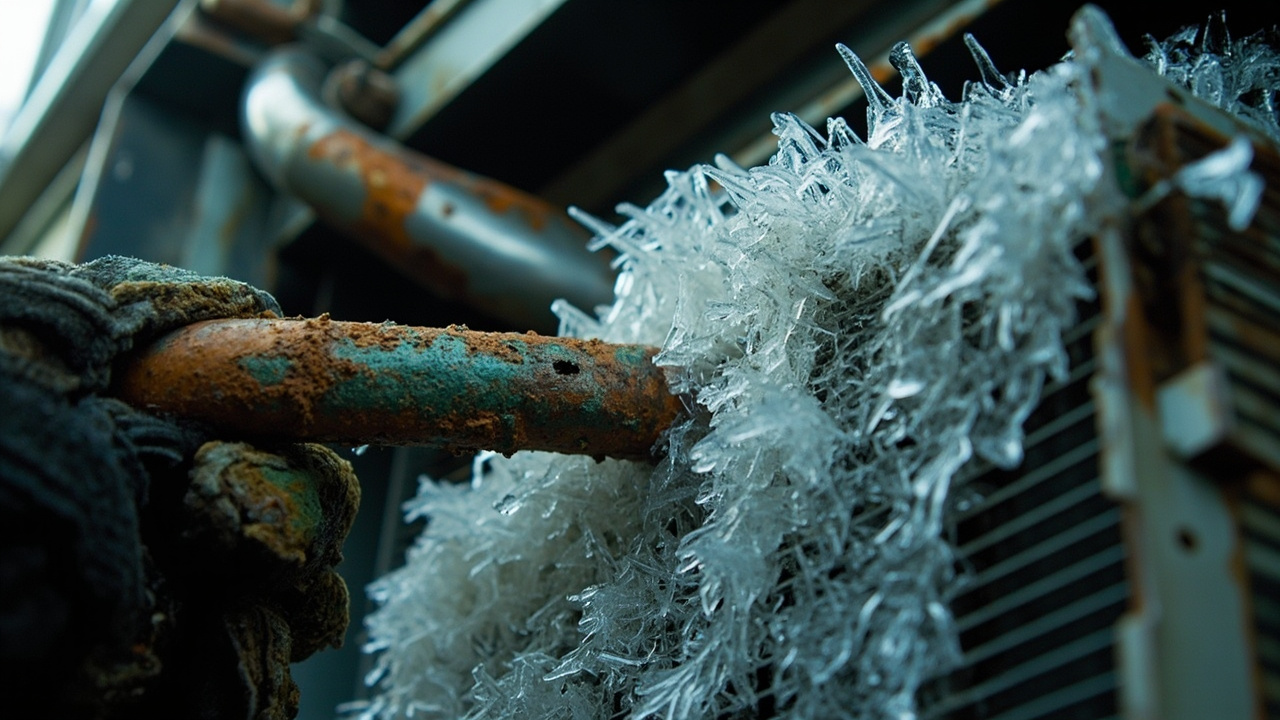
The delta T reading is the fork that decides everything after it. A shallow drop between return and supply air with warm output points at restricted airflow, a dirty coil, or a fan that has slowed down under load. A drop that runs well past the normal range for a Waco summer, past roughly the 15 to 20 degree window a healthy system holds, usually means the coil is starting to ice rather than working harder. Once that reading is clean, superheat and subcooling off the manifold gauges get trusted, and the target for those numbers comes off the equipment maker's own chart for whatever is metering that coil, not a number carried over from the last house.
Where a system has been limping through Waco's long cooling season on marginal capacity, staging becomes the real comparison rather than the efficiency sticker. A single stage condenser runs at full output or not at all, while a two stage or variable capacity unit spends more of the day at reduced speed, which pulls more moisture out of the air during the humid stretch of summer. That only pays off if the indoor coil is matched to the new outdoor unit and the duct can carry what it moves, which is the same static pressure question the visit opens with.
See 24/7 emergency ac repair for how the related work is scoped and priced.
Your local utility, Utility Bill City of Waco, publishes service and water-quality information every Waco homeowner should know.
Ask which of these readings was taken before any part is replaced.
| Instrument | Good reading | Bad reading | What it changes |
|---|---|---|---|
| Two probes for delta T between return and supply air | A 16 to 22 degree drop across the coil in cooling at normal indoor humidity | A small drop means airflow or charge is wrong | An unusually large drop means the coil is being starved of air |
| Micron gauge during evacuation | Below 500 microns and holding there after the pump is valved off | A reading that climbs back up | Moisture is still boiling off inside or the system is not sealed |
| Manometer for total external static pressure across the air handler | Static pressure at or under the maximum printed on the blower data plate | Static above the rating | The filter, the coil or the duct is choking the system |
| Filter, coil and condensate inspection | Light passes through the filter pleats, the coil fins are clean | A matted filter, a coil with ice on it | A homeowner who has never seen the inside of their air handler makes a different decision |
How a no cooling call runs
The call and first assessment
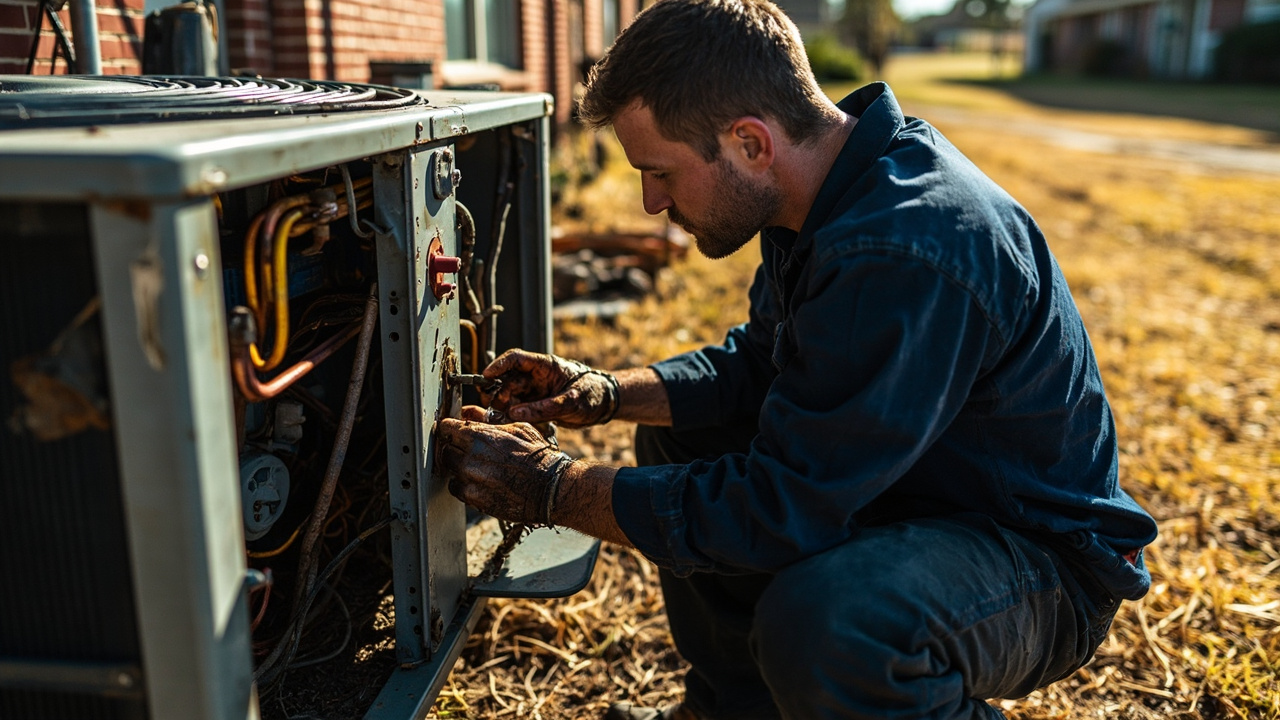
On the phone we ask what the system is doing, whether it is running at all, whether the breaker has tripped, and how old the equipment is if you know it. That tells us whether to walk you through a safety step right then, such as shutting the outdoor disconnect, or to simply schedule the visit. On site, the order is fixed. Filter, coil and return path first, then static pressure against the blower's rating, then the delta T reading across the coil, and only then the refrigerant circuit if the earlier readings point that way.
What happens after you approve it
Once you approve the written scope, we isolate the circuit at the disconnect before opening anything electrical. If the fault is a part, a capacitor, contactor or motor, that gets replaced and rechecked under load. If the fault is inside the sealed circuit, a leak search comes first, then the repair, followed by evacuation and a new filter drier before any refrigerant goes back in. If we find something unexpected behind the coil or the blower, we stop and show you before continuing rather than assuming you want it handled.
Proving it before we leave
Before we pack up, the delta T probes go back across the coil and the reading has to land back in the normal range for a system running in Waco humidity. We check amps on the compressor and blower against the data plate one more time under a full run cycle rather than a quick cycle. You get a walkthrough of what was found and what was done, and you keep the readings we took so there is a record if the same complaint comes back.
Why an unfamiliar crew misses this in Waco heat
A crew that does not work Waco summers regularly tends to size up a no cooling call the way they would anywhere else, assuming the system cycles normally through the day. Here it runs nearly continuously for weeks once temperatures settle into the mid to upper nineties, and parts that would recover during a normal off cycle never get the chance. A capacitor or contactor that reads marginal on a mild day is often the same part that quit an hour into a July afternoon, and treating that reading as good because it passed once is a mistake that shows up again within days.
The other place unfamiliar work goes wrong is equipment that has taken on water. An outdoor unit set low in a yard near a drainage path can sit in standing water during a heavy storm, and a crew in a hurry to restore cooling will power it back up once the water recedes without drying the cabinet or checking the contactor and disconnect first. Corrosion inside those components does not always show up the moment power is restored. It can arc or fail days later, turning what should have been a dry out and inspection into a second service call and a damaged part that a slower first visit would have caught.
Call volume itself changes what a visit looks like here. When the first real heat wave of the season hits, the whole greater metro calls at once, and a crew that has not planned for that surge treats every call as a routine same day booking. A system that is running compromised gets left on for hours longer than it should, and a fault that started as a slow leak or a weak capacitor moves further down the escalation path before anyone gets to it. The difference between a preventive inspection and an emergency call often comes down to whether someone had the capacity to spend thirty minutes troubleshooting instead of twenty minutes restoring power and moving to the next job.
More detail on emergency blower motor replacement is on its own page.
The U.S. Department of Energy's home heating and cooling guide explains the efficiency math behind our recommendations.
What the visit looks like from your side
Getting on the schedule fast
When you call, we ask what the outdoor unit is doing, whether the breaker has tripped, and how long it has been running that way. Those answers sort the call into same day or scheduled. During a stretch of mid to upper nineties heat, same day calls fill first, so we tell you where you land in that order rather than leaving you guessing, and we call ahead once a technician is on the way.
Keeping your house clean
Attic and closet access points get floor covers down before anything is touched, since most Waco air handlers sit in one of those two places. Tools and parts stay staged on a drop cloth rather than the flooring or countertops. Anything pulled out, a filter, an old capacitor, drier cores from a leak repair, leaves with us, and the space gets a final wipe down before we call the visit finished.
What moves repair cost
A part failure, a capacitor or contactor, costs less to correct than anything inside the sealed circuit, where a leak search, a new filter drier and a full evacuation add time. Whether the duct can carry the air the system needs moves the scope too, since that sometimes means correcting more than the original complaint. Calling during the first heat wave, when after hours dispatch is stretched across the whole metro at once, can change how soon rather than how much. You see the written scope and sign off on it before any part gets replaced.
How our technicians get checked
A new technician works a set number of visits alongside a lead before running calls alone, and the lead has to sign off on readings like static pressure and delta T being taken and read correctly, not just the repair itself. On anything involving equipment that has been exposed to standing water, a second technician looks at the disconnect and contactor before the unit gets powered back on, since a corroded component can look fine and still fail within days.
You Have Questions,
We Have Answers
Yes, once the house is heating up and the system is not cooling, it counts as an emergency repair call. A slow refrigerant leak left running makes the system work longer for less cooling until the compressor loses lubrication and seizes, which turns a leak fix into a full compressor replacement. Acting on the same day the airflow or refrigerant fault shows up is what keeps the repair small.
Why Waco heat and low set equipment change this repair
Waco summers hold in the mid to upper nineties for weeks at a stretch, and cooling equipment across McLennan County runs for most of the day during that period rather than cycling normally. That continuous run time is what turns a marginal capacitor or a slightly fouled coil into a full stoppage, because the parts never get a break long enough to recover. Flash flooding along creeks that feed the Brazos and Bosque rivers adds a second risk for equipment set on low pads in yards near those drainage paths. A condensing unit that has taken on water during a storm should be dried out and checked at the disconnect and the contactor before it gets powered back on, because oxidation at those terminals can develop over hours or days.
Equipment that has been near standing water gets handled differently than a straightforward summer breakdown. Before it goes back on, the cabinet, the disconnect and the contactor get dried and checked rather than assumed fine because the power came back. That check gets written down alongside the amp readings taken under a full run cycle, so there is a record showing the unit was verified rather than just switched on. A capacitor swap on a dry, overworked system does not need that extra step, but a unit that sat in water during a creek flood does. Skipping that verification step is how a corroded part fails again within days instead of showing up as a problem on the spot where it can be caught and addressed immediately.
HVAC Services in The Waco Area
Explore our service area and locate Granite HVAC Waco with ease. We're proudly local and serve the surrounding neighborhoods with fast response and honest pricing. Use the map to check our coverage area, or call us and we'll confirm in seconds.
Address:
Granite HVAC Waco, Waco, TX, 76701
Additional Services We Offer
- 24/7 Emergency AC Repair
- After-Hours HVAC Service
- Carbon Monoxide Leak Response
- Emergency Blower Motor Replacement
- Emergency Boiler Repair
- Emergency Commercial HVAC Repair
- Emergency Compressor Replacement
- Emergency Furnace Repair
- Emergency Heat Pump Repair
- Emergency Refrigerant Leak Repair
- Emergency Thermostat Replacement
- No Heat Emergency Service
Changing a filter, keeping the area around the outdoor unit clear, and rinsing condenser fins are homeowner jobs. Where it stops is anything behind the blower door or inside the refrigerant circuit, because that involves pressurized refrigerant and line voltage. If we find duct sizing or a load problem beyond the immediate failure, we say so on the first visit rather than after a repair that would not have fixed it.
Before you call, know whether the outdoor unit is running, check if the breaker has tripped, and note when the problem started. If you can safely check, note whether there is ice on the indoor coil or line set, and know roughly how old the system is. Those answers usually tell us whether this needs someone today or can hold for a scheduled visit.
Last reviewed September 2026 by Dale Whitfield, Service manager.