




What the R-410A phase-out means for a system you already own
If your outdoor unit runs on R-410A, the refrigerant itself is not disappearing overnight, but new production of it is being curtailed under the federal phase down, and that changes what happens the next time your system develops a leak. A tech that used to top off a low system now has to weigh whether new R-410A is available and worth the cost against retrofitting the equipment for R-454B or replacing it outright. This is the decision Waco homeowners are running into as older residential systems age past a decade or more.
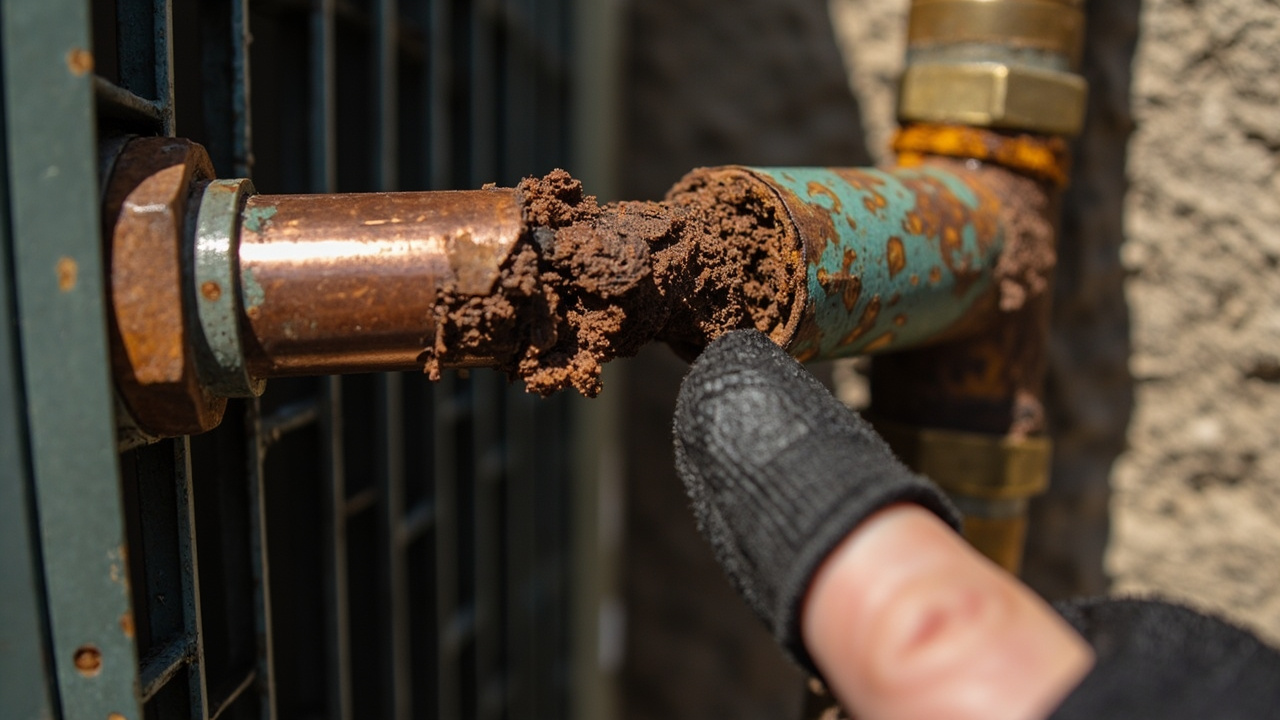
The clay soil across McLennan County shifts outdoor condensing pads over years of wet and dry cycles, and that movement stresses the line set running from the pad to the house. A line set stressed that way often still looks intact from the outside, but it will not hold vacuum cleanly once evacuation starts, which is the exact test a retrofit depends on. A system with that kind of line set is not a retrofit candidate regardless of what the compressor nameplate says, and finding that out early changes the whole scope of the job.
Refrigerant is not consumed during normal operation, so a system that keeps needing refrigerant added has a leak somewhere in the sealed circuit, not a chronic shortage. The escalation here is straightforward and time-sensitive. A slow leak means the system runs longer to deliver less cooling, and oil that should be circulating with the refrigerant stops moving properly. Once that oil starvation sets in, the compressor loses lubrication and seizes, turning a repairable leak into a full compressor replacement. That is the point where waiting stops being a reasonable option.
When a system begins running constantly during hot weather without reaching setpoint, the compressor is already operating in a dangerous state. The combination of low refrigerant charge and continuous operation accelerates the oil breakdown process. A compressor that has seized from oil starvation cannot be salvaged, and the replacement cost far exceeds the cost of diagnosing and repairing the original leak while it is still small. Having the line set inspected and the leak located before the next heat wave pushes the system into constant runtime gives you the advantage of time and keeps repair costs proportional to the actual problem.
Our page on hvac repair cost guide 2026 covers that side of the work in more depth.
Permit and inspection questions? Commercial Construction Permits is the office we coordinate with on every permitted Waco job.
How we check a system before recommending retrofit, replacement, or a top off
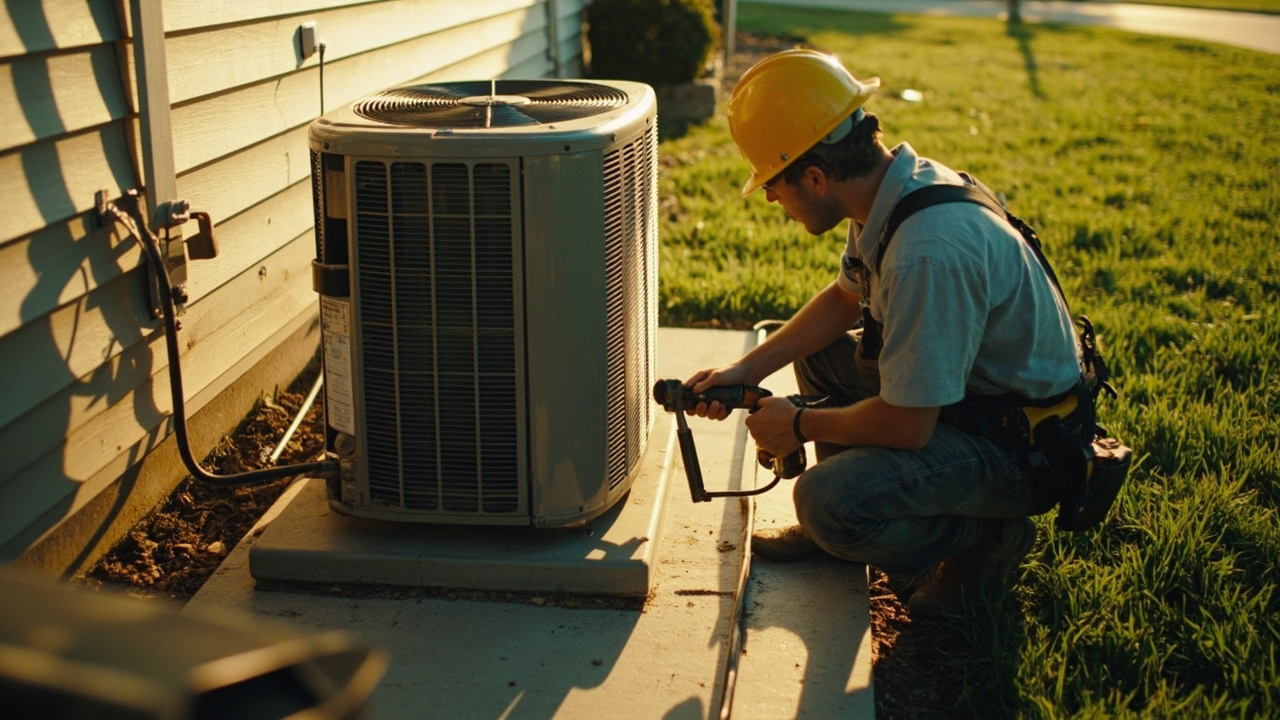
Before any refrigerant decision gets made, the line set gets physically traced rather than assumed from a diagram, since pad movement in this area can put stress on a joint that looks fine from a visual pass. The compressor and coil data plates get checked against manufacturer specifications for R-454B compatibility, because not every R-410A system was built to accept the newer refrigerant without a component swap. That trace and that data check decide whether retrofit stays on the table before a single gauge goes on the system.
Once the line set is isolated and pressure tested, evacuation starts with a micron gauge positioned at the far end of the line set, away from the pump, since a gauge read too close to the pump gives a false reading. The system has to pull down below 500 microns and hold there once the pump is valved off. If the reading climbs back up, that means moisture is still boiling off inside the line or a joint is not sealed, and the leak gets found before any charge goes in. This reading is the one that decides retrofit versus replacement more than the age of the equipment does, because a set that will not hold vacuum cannot be reused no matter how new the compressor is.
The comparison that matters once equipment choice comes up is staging rather than the refrigerant label. A single stage condenser runs at one capacity and cycles on and off, a two stage unit runs a reduced capacity most of the day, and a variable capacity system modulates output continuously. Longer low speed runtime pulls more humidity out of the air during the humid stretch, which is why staging decides comfort more than the SEER2 number on the sticker does, and it is worth weighing against whatever the existing duct and line set can support. The staging choice also affects how often the system reaches full output, and systems that modulate gradually instead of cycling hard experience less thermal shock at the coil, which translates to longer bearing life in the compressor and fewer contaminant spikes in the refrigerant loop over time.
The final decision hinges on how the new equipment will fit into existing infrastructure. A unit oversized for the load will short cycle, never reaching the humidity removal that comes from extended runtime. A unit undersized for peak load will run at full capacity on the hottest days and lose the efficiency gains that staging provides. Duct static pressure, line set diameter, indoor coil surface area and the thermal mass of the home all factor into whether a particular staging strategy will deliver the performance its rating suggests.
See air filter merv ratings guide for how the related work is scoped and priced.
Your local utility, Utility Bill City of Waco, publishes service and water-quality information every Waco homeowner should know.
How a transition evaluation runs

Assessment and equipment audit
The call starts with the equipment age, refrigerant history and any prior top offs, which decides whether a leak search needs to happen before anything else is discussed. On site, the compressor and coil data plates are verified against manufacturer specifications for R-454B compatibility, and technicians walk the line set rather than relying on a diagram, since a set that runs through a wall or under a shifted slab section often does not match what a nameplate would suggest. That physical verification decides whether retrofit stays on the table at all.
Manual J review and scope approval
Once the equipment audit is done, a manual J load calculation confirms whether the existing ductwork and equipment size still match the house, since a retrofit built on an outdated load number just repeats whatever comfort complaint already exists. We shut off the line set, apply test pressure and hold it to check for leaks before pulling a vacuum. If the set shows damage or the wrong sizing for the new equipment, we stop and show you what was found before the scope moves to replacement instead of retrofit, and you approve the written scope before any refrigerant work begins.
Evacuation, charge and verification
The system is pulled down under vacuum with a micron gauge on the far end of the line set, and it must stabilize below 500 microns when the pump is valved off before charging starts. If the reading climbs back up, we find the leak rather than charge past it. Once the vacuum holds, the system is charged to the equipment maker's chart and running amps are checked against the compressor data plate. You get the readings we took and what they mean for the equipment going forward.
Why a Waco system is not a generic system
A crew unfamiliar with this area treats every R-410A system the same way, and that is where the mistakes start. The clay soil under most of McLennan County shrinks and swells with rainfall, and that movement does not stop at the foundation. Outdoor condensing pads shift over years, and a line set that runs from a pad that has tilted or settled carries stress at every joint even when the insulation looks intact from the outside. A technician who does not expect that stress checks the line for kinks and calls it done, then finds out during evacuation that the set will not hold, after a retrofit has already been quoted around reusing it.
Housing age compounds the problem in a specific way here. Older residential stock in this area often has a gas furnace and attic ductwork added or resized well after the house was built, with an outdoor unit installed to match whatever line set was already in the ground or the wall. That means the line set on an older system is frequently not the size or the routing a current retrofit chart assumes, and running the numbers on a nameplate spec sheet without physically tracing the set gets the refrigerant charge wrong before the compressor ever starts.
Long, hot cooling seasons here add a second variable that a crew from a milder climate underestimates. A system that runs nearly continuously for months at a time puts more operating hours on a marginal line set or a weak component in a single summer than the same equipment would see in two summers somewhere cooler. That runtime is exactly what turns a slow leak into a seized compressor faster here than it would elsewhere. The decision on retrofit versus replacement gets made on the evacuation reading and the manual J load calculation for that specific house, with the age of the equipment by itself as one factor among several.
More detail on ductless mini-split buying guide is on its own page.
The U.S. Department of Energy's home heating and cooling guide explains the efficiency math behind our recommendations.
What working with us on this looks like
Scheduling around your equipment history
The call starts with your outdoor unit's age, whether refrigerant has been added before, and whether the line set runs through a wall, attic or slab. Those answers decide if this is a same day evacuation check or a scheduled visit once a load calculation is needed. You get a confirmed arrival window before anyone shows up. If a job ahead of yours runs long because a leak search takes longer than expected, we call and reset the window rather than leave you guessing.
Keeping the work contained
Before the line set or the air handler comes apart, the work area around the equipment gets covered so insulation, old refrigerant oil or debris from a corroded joint stays off your floors. Tools and recovery equipment stay staged near the outdoor unit rather than spread through the house. Anything removed, including a damaged section of line set, gets bagged and taken with us, and the last thing done on site is wiping down the equipment access panel before it goes back on.
What sets scope and cost
The biggest cost fork on this job is whether the line set can be reused or has to be replaced, which the vacuum reading answers directly. After that, whether the coil is matched to new equipment, electrical work at the disconnect, and access to the attic or crawlspace all move the number. Refrigerant type and availability factor in too. You see the written scope, including what the evacuation reading showed, before any retrofit or replacement work starts, and you approve it before we proceed.
How competence gets checked
A technician working on refrigerant retrofits demonstrates a clean micron gauge evacuation and a correct line set trace under a lead's supervision before doing one alone. The lead signs off specifically on the vacuum hold reading and the leak search process, since those are the steps that get rushed on a bad retrofit. On any system where the line set routing is unclear or the coil data plate does not match standard charts, a second technician reviews the findings before a scope is written.
You Have Questions,
We Have Answers
R-454B is mildly flammable under the A2L classification, unlike the non-flammable R-410A it replaces. That means recovery, evacuation and charging require different handling procedures and different equipment on the technician's side, and not every existing R-410A system can accept it without component changes, which is why a retrofit needs the compressor and coil data checked before charging rather than assumed.
Yes, R-454B requires gauges and recovery equipment rated for its A2L classification rather than the gauges used on R-410A. The pressure ranges and the mildly flammable handling requirements differ enough that using non-rated equipment on an A2L system is a safety issue, not just a compatibility inconvenience.
Refrigerant cost depends on supply conditions and the job itself, so no fixed number applies across systems. What moves the number is whether a leak has to be found and repaired first, whether existing piping is serviceable or must be replaced, and how much charge the specific equipment holds, all of which get checked before any cost is discussed.
Topping off is not a repair, because refrigerant is not consumed in normal operation and a low charge means a leak somewhere in the sealed circuit. On R-454B the same rule applies as on R-410A, the leak gets found and repaired, the system gets evacuated and checked with a micron gauge, and then it gets charged to the equipment maker's specification.
Why Waco conditions decide this more than the refrigerant label does
McLennan County sits on Blackland Prairie clay that shrinks in dry weather and swells when it rains, and that movement reaches outdoor equipment pads and the line sets running from them. A line set that has been stressed by a pad shifting under it for years often will not hold vacuum cleanly, which is the exact reading a transition evaluation depends on. Waco's long, hot cooling season compounds this exposure, since a system here accumulates more operating hours during a single warm season than the same equipment would in a milder climate across two years. Those accelerated hours wear down marginal connections and aging components far faster, making equipment age a decisive factor in whether a repair makes sense or replacement becomes necessary. The cycle repeats each summer, turning routine operation into a test that only durable systems pass without failure.
Retrofit and replacement decisions both get checked against a manual J load calculation rather than against the size of the equipment already installed, because ductwork and insulation conditions in this area vary widely by the era a house was built. A load number that no longer matches the house means a retrofit would just carry the old sizing problem forward into new equipment. Running that calculation before finalizing scope is what keeps a transition job from becoming a second comfort complaint a year later, and it is why the evacuation reading and the load number get checked together rather than one standing in for the other.
HVAC Services in The Waco Area
Explore our service area and locate Granite HVAC Waco with ease. We're proudly local and serve the surrounding neighborhoods with fast response and honest pricing. Use the map to check our coverage area, or call us and we'll confirm in seconds.
Address:
Granite HVAC Waco, Waco, TX, 76701
Additional Services We Offer
- Air Filter MERV Ratings Guide
- Ductless Mini-Split Buying Guide
- Furnace AFUE Ratings Explained
- Heat Pump vs. Furnace Comparison
- How Long Does an HVAC System Last
- How to Choose the Right AC Size
- HVAC Repair Cost Guide 2026
- HVAC Tax Credits & Rebates Guide
- Repair vs. Replace Your AC
- Seasonal HVAC Maintenance Checklist
- SEER2 Ratings Explained
- Signs You Need a New Furnace
Changing a filter, keeping clearance around the outdoor unit and rinsing the condenser fins with the power off at the disconnect are homeowner tasks and do not need a call. The refrigerant circuit itself, anything behind the blower door, and any line set or electrical work involved in a retrofit or replacement are not a homeowner job. If the line set trace shows damage that changes the scope, we tell you on the first visit before any work proceeds.
Before you call, know the age of your outdoor unit if you have it and whether it has ever needed refrigerant added. Check the model plate on the outdoor unit if you can reach it safely, and note if the line set crosses a foundation, passes through an attic or runs buried. Those details tell us whether this is a phone conversation or a visit with gauges.
Last reviewed September 2026 by Dale Whitfield, Service manager.