





Why the credit gets lost after the equipment is already in
Most people start looking into HVAC tax credits and rebates after a system fails, not before. That timing works against you. The Inflation Reduction Act framework and separate utility rebate programs each carry their own paperwork, their own equipment ratings, and their own filing windows, and none of them wait for you to catch up. A heat pump tax credit for 2026 depends on the unit meeting a specific efficiency rating at the time it goes in, and if the contractor installs something a step below that rating because it was on the truck, the credit is gone before you ever open the paperwork.
The failure that usually forces the decision arrives as a mechanical problem. A run capacitor weakens first, and every time the compressor tries to start on a weak capacitor it pulls amps well above what the data plate rates it for. That repeated high-amp start heats the windings a little more each cycle. Left alone, what would have been a capacitor swap becomes a failed compressor, and a failed compressor turns a planned, incentive-aware replacement into a same-week emergency where nobody has time to compare energy-efficient HVAC rebates against each other.
That is the actual call-now threshold on this page. If your outdoor unit is humming, clicking, or tripping the breaker on start, that is the capacitor stage, and it is still a repair. Wait through it and the next stage is a compressor that has to be replaced under pressure, with no time left to plan the equipment tier around a federal tax credit for furnace or heat pump equipment, or to get a utility rebate application in before the unit is purchased. The tier you select determines what credit applies, so the decision must come before the failure deepens.
Furnace replacements carry the same trap in reverse. A furnace that short cycles or locks out on a flame sensor fault can usually be repaired. Repairing keeps old equipment alive. Credits apply only to qualifying new equipment. The decision point is whether the unit is being repaired or replaced. That choice shapes which incentives are available to you, and it should be made while the option still exists. Once you are in emergency mode, the rating sheet and the credit window both close before you can use them.
If this sounds close but not quite your situation, ductless mini-split buying guide may be the better starting point.
Forums like r/hvacadvice show what homeowners nationwide pay and encounter, useful context for any quote you receive.
How we confirm the equipment before you count on a credit
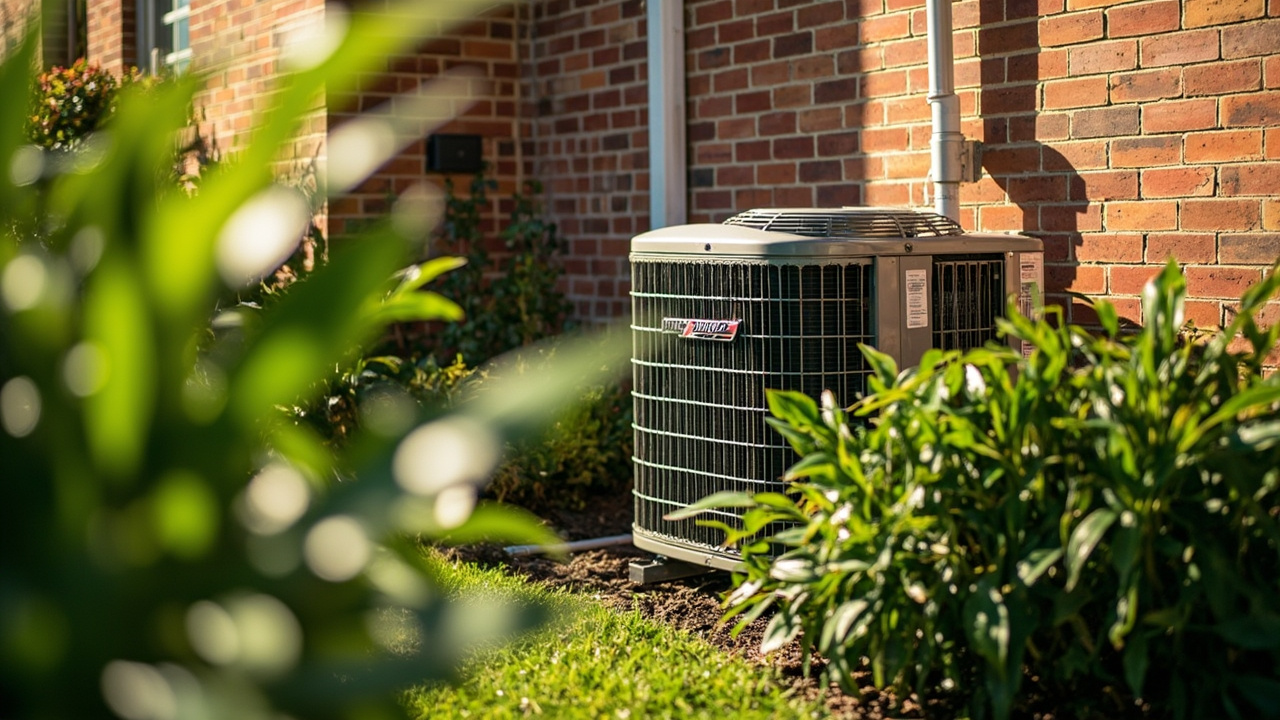
Before any equipment gets ordered for a credit eligible replacement, we run a load calculation against the house rather than sizing off the unit coming out. That number decides tonnage, and tonnage decides which efficiency tier is even reachable, because a unit sized above what the duct can move never runs long enough to earn the rating printed on its box. Once tonnage is settled, the outdoor unit and the indoor coil get specified as a matched pair rather than a new outdoor unit paired against whatever coil is already sitting in the attic, and only then does the equipment get installed and commissioned rather than simply switched on and left. A duct that measures high static pressure against the blower data plate at this stage is the clearest sign that a bigger box will only repeat the complaint under a new label, credit or not.
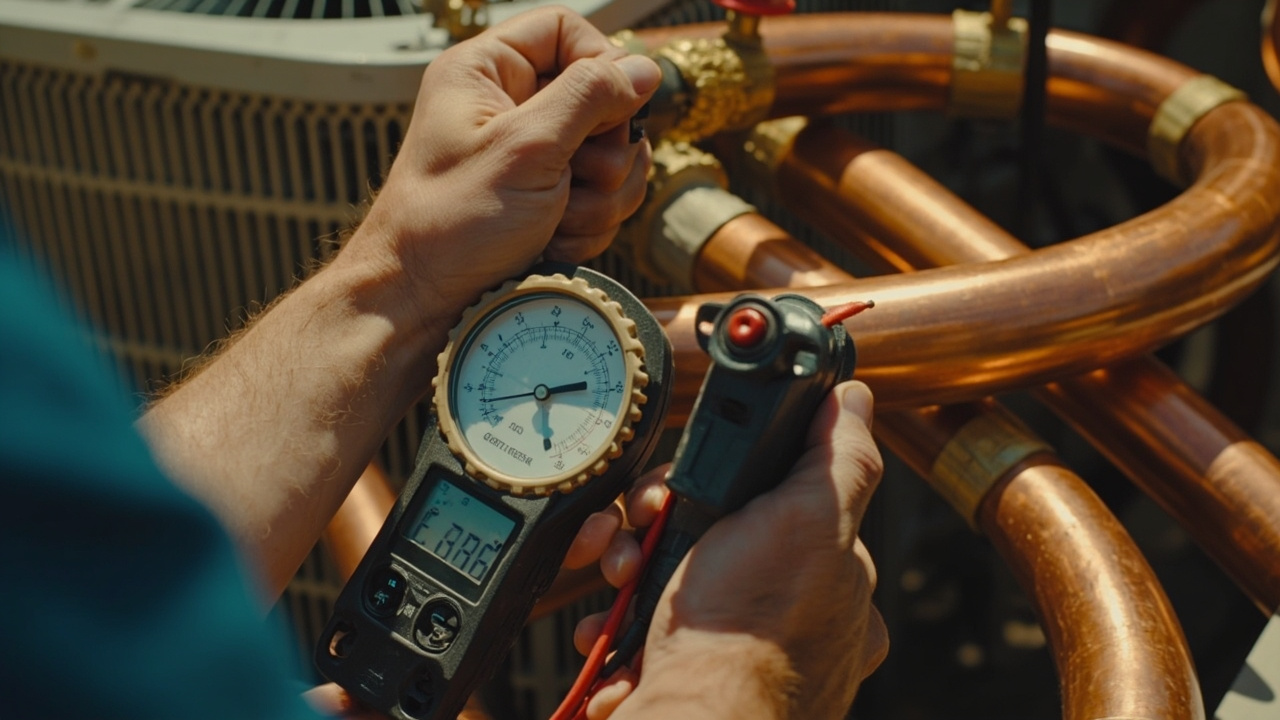
Commissioning is where manifold gauges go on the service ports, and we read superheat and subcooling against the manufacturer chart for that specific metering device rather than a number carried over from the last job. A fixed orifice system is judged mostly on superheat, while a system metered by a thermostatic expansion valve is judged mostly on subcooling, so the target changes with what is controlling refrigerant flow into the coil. When those readings land inside the maker's range, the charge is correct and the coil pairing is delivering the efficiency the rating sheet claims. When they land outside it, the house may still cool, but the system is not performing at the tier the credit or the rebate was calculated against, and that gap is exactly what a program administrator or a tax preparer asks to see documented before approving a claim.
The other fork that decides what qualifies is heat pump against gas furnace. A heat pump is rated on HSPF2 for heating output, and that output falls as the outdoor temperature drops, while a gas furnace is rated on AFUE and delivers the same heat regardless of how cold it gets outside. A dual fuel setup runs the heat pump down to a balance point the installer sets, then lets the furnace carry the load below that point. Mild winters with short hard freezes make a heat pump workable here for most of the heating season, but the equipment filling that role has to be rated and commissioned on its own numbers, separate from whatever the cooling side is rated at, since the credit judges the heating equipment on its own terms.
More detail on hvac repair cost guide 2026 is on its own page.
Your local utility, Utility Bill City of Waco, publishes service and water-quality information every Waco homeowner should know.
How a rebate-aware replacement runs
The first call and visit
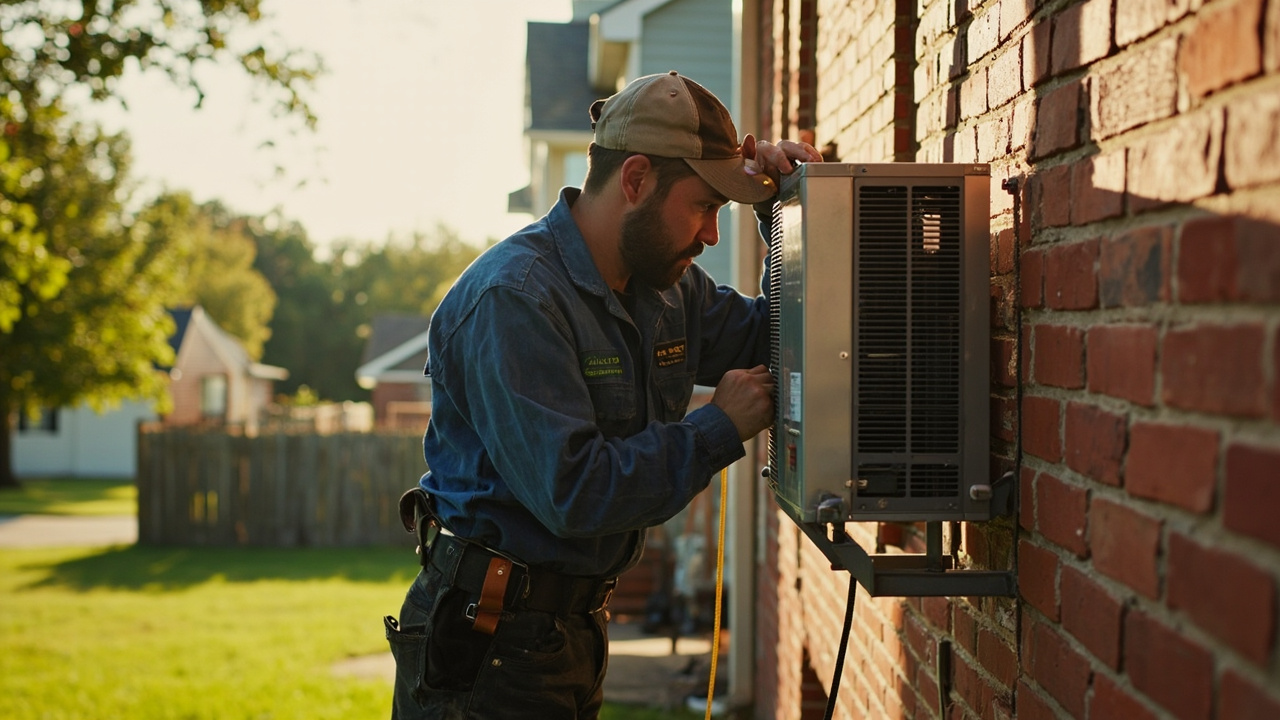
On the phone we ask what the current system is doing, its approximate age, and whether you're weighing a repair against a replacement for credit or rebate purposes. On site, the order starts with the filter, the coil, and the return path, since a starved return can make a healthy system look like it needs replacing. Static pressure gets checked against the air handler's data plate next, then the temperature split across the existing coil. Only after airflow is confirmed clean do we move to a load calculation for the house, which is what decides tonnage and efficiency tier rather than the size of the box coming out.
Once you approve the work
Once the scope is approved, the outdoor disconnect gets pulled and the old refrigerant is recovered before anything is cut loose. The new outdoor unit and the matched indoor coil go in as a pair, the line set gets replaced or reused depending on what the refrigerant change requires, and the system is evacuated on a micron gauge before any charge goes in. If the duct behind the coil turns out to be undersized once static pressure is checked, we stop and show you before running the new equipment against it.
What gets verified before we leave
Manifold gauges go back on the service ports and the superheat and subcooling readings have to land inside the range on the manufacturer chart for that coil and metering device before we call the job finished. We walk you through those readings against the chart, not just tell you the system is cooling. You keep the equipment spec sheet, the load calculation, and a printed copy of the commissioning numbers, which is the documentation a tax preparer or a utility rebate program will ask to see.
Why an unfamiliar crew gets the equipment match wrong
An outdoor unit swapped without replacing the indoor coil is the single most common way a homeowner here loses eligibility on paperwork already paid to prepare. The efficiency rating stamped on a new outdoor unit assumes it is paired with a coil built for the same refrigerant and the same expansion device, and setting new outdoor equipment against an aging coil sized for a different charge changes the measured performance enough that superheat and subcooling readings land outside the range the rating was calculated on. The house still cools. The paperwork just stops matching the equipment that produced it.
A crew working from a truck stock list rather than a load calculation has no reason to catch that mismatch, because nothing about the thermostat being satisfied tells anyone the coil is wrong. The mismatch only shows up when someone puts manifold gauges on the service ports and compares the readings to the manufacturer chart for that specific pairing, a step that gets skipped whenever the priority is getting the house cold again by evening rather than getting the documentation right.
Long, hot cooling seasons here mean equipment runs for months without a break, which is exactly the condition that exposes a mismatched coil fastest. A unit rated for one efficiency tier but paired wrong will run longer than it should to hit the thermostat setpoint, and that longer runtime is the same signal a rebate program looks for when it audits a filed claim.
The other place unfamiliarity shows up is treating a repair as if it were a qualifying replacement. Credits and utility rebates apply to new equipment that meets a rating at the time it goes in, regardless of a repaired system that keeps running at its original rating. A capacitor swap, a contactor replacement, or a cleaned flame sensor does not change the equipment's rated efficiency, so none of it belongs on a rebate application, no matter how the invoice is worded. Getting that distinction wrong on paper is what causes a rebate program to reject a claim, and it has everything to do with what was written down and nothing to do with the quality of the repair.
Our page on air filter merv ratings guide covers that side of the work in more depth.
The U.S. Department of Energy's home heating and cooling guide explains the efficiency math behind our recommendations.
What working with us on this looks like
How the first call runs
You call and we ask what the system is doing, its age if you know it, and whether you're pursuing a federal credit, a utility rebate, or a straight repair. That tells us whether this is a same day visit or a scheduled load calculation and coil assessment. You'll get a confirmed arrival window before the visit, and if the job ahead of yours runs long, we call to move the window rather than leave you guessing.
Protecting your home during work
Before anything comes apart in the attic or the equipment closet, we lay down drop cloths and cover the return grille so insulation and duct debris stay out of the living space. Old equipment, refrigerant, and packaging leave with us rather than sitting on the curb. The last step before we leave is a walkthrough of the work area so you can see it clean, not just hear that it is.
What moves your cost
The two things that move your number most are the efficiency tier you choose and whether the indoor coil goes in matched to the new outdoor unit or gets left in place from the old system. A matched pair costs more up front and is usually what a credit or rebate is rated against. You see the written scope with both options priced before anything is ordered, and you approve it before work starts.
How we check technician skill
A technician demonstrates a full commissioning, including manifold gauge readings taken against the manufacturer chart, before working solo on a credit eligible job. A lead reviews the load calculation and the coil pairing on every replacement, not only the ones that look complicated. On anything involving an unusual refrigerant or an older coil paired with new equipment, a second technician checks the readings before the scope gets written down.
You Have Questions,
We Have Answers
Systems that qualify are new heat pumps, furnaces, and matched split system air conditioners rated at or above the program's efficiency threshold when installed. A repaired or reused component doesn't change the rating on record, so keeping an old system running never qualifies. What decides eligibility here is whether the outdoor unit and indoor coil are installed and commissioned as a matched pair, since program administrators can request the commissioning readings that prove it.
Rebate amounts are set by the utility program administrator and change without notice, so we don't quote a figure. What we can tell you is which cost drivers move eligibility, mainly the efficiency tier of the equipment and whether the indoor coil is matched to the new outdoor unit rather than left in place. Confirming the current terms attached to your account is a call you make to the program administrator once the equipment spec sheet is in hand.
Federal tax credits for qualifying heating and cooling equipment do exist under the current framework, and eligibility is decided by the equipment's rating at the time of installation. Filing happens on your tax return during the year the work is completed, and the evidence a preparer typically asks for is the equipment spec sheet and the commissioning readings that show the coil was matched to the outdoor unit as installed.
Eligibility for utility rebate programs is set by the program administrator and typically requires the home being the applicant's primary residence with new equipment meeting a listed efficiency rating at install. The administrator is usually the delivery utility rather than whichever company bills for retail electric service, which is worth confirming before equipment is ordered so the paperwork matches the account the program checks.
Why Waco's climate changes what qualifies
Waco's cooling season runs from spring into fall, with July and August highs regularly in the mid to upper nineties, so equipment here logs many more running hours a year than the same unit would in a milder climate. That runtime is what a higher efficiency tier is built to reduce, and it is also what exposes a mismatched coil or an undersized duct fastest, since the system never gets the break that would hide a problem. Winters are mostly mild, broken by short hard freezes, which is why a heat pump chosen for a tax credit here still needs backup heat sized for those cold snaps rather than for an average January day. Late spring and early summer add a heavy humidity load on top of the heat, which pushes the case toward a system that removes moisture over long runtimes rather than one that just satisfies the thermostat fast. Every one of those conditions changes which rated equipment qualifies here.
Oncor delivers the electricity to the meter across this part of McLennan County, while the retail electric provider on the monthly bill is a separate company the homeowner chooses. That split matters for rebate paperwork, because utility-run efficiency programs are usually tied to the delivery utility rather than to whichever retail provider happens to be billing that month. A homeowner who assumes the name on the bill is the program administrator ends up contacting the wrong company, and that confusion is what stalls a rebate application past its filing window more often than any equipment issue does. Confirming which account administers a given program before the equipment is ordered keeps a heat pump or furnace purchase eligible for whatever utility rebate is attached to it, separate from anything filed with a tax return.
HVAC Services in The Waco Area
Explore our service area and locate Granite HVAC Waco with ease. We're proudly local and serve the surrounding neighborhoods with fast response and honest pricing. Use the map to check our coverage area, or call us and we'll confirm in seconds.
Address:
Granite HVAC Waco, Waco, TX, 76701
Additional Services We Offer
- Air Filter MERV Ratings Guide
- Ductless Mini-Split Buying Guide
- Furnace AFUE Ratings Explained
- Heat Pump vs. Furnace Comparison
- How Long Does an HVAC System Last
- How to Choose the Right AC Size
- HVAC Repair Cost Guide 2026
- R-454B Refrigerant Transition Guide
- Repair vs. Replace Your AC
- Seasonal HVAC Maintenance Checklist
- SEER2 Ratings Explained
- Signs You Need a New Furnace
Filing the federal tax credit itself is a tax return matter, and that is between you and whoever prepares your taxes, not something we file for you. Where we stop is the paperwork submission. What we provide is the commissioning readings, the load calculation, and the equipment specification your preparer or a utility program will ask to see.
Before you call, know whether you are repairing or planning a replacement, the age of your current system if you know it, and what incentive programs you might be eligible for. If you have a copy of your current equipment's rating plate, that helps us compare it against what a new system would need to qualify.
Last reviewed September 2026 by Dale Whitfield, Service manager.