



What Robinson's clay and attic duct do to a system
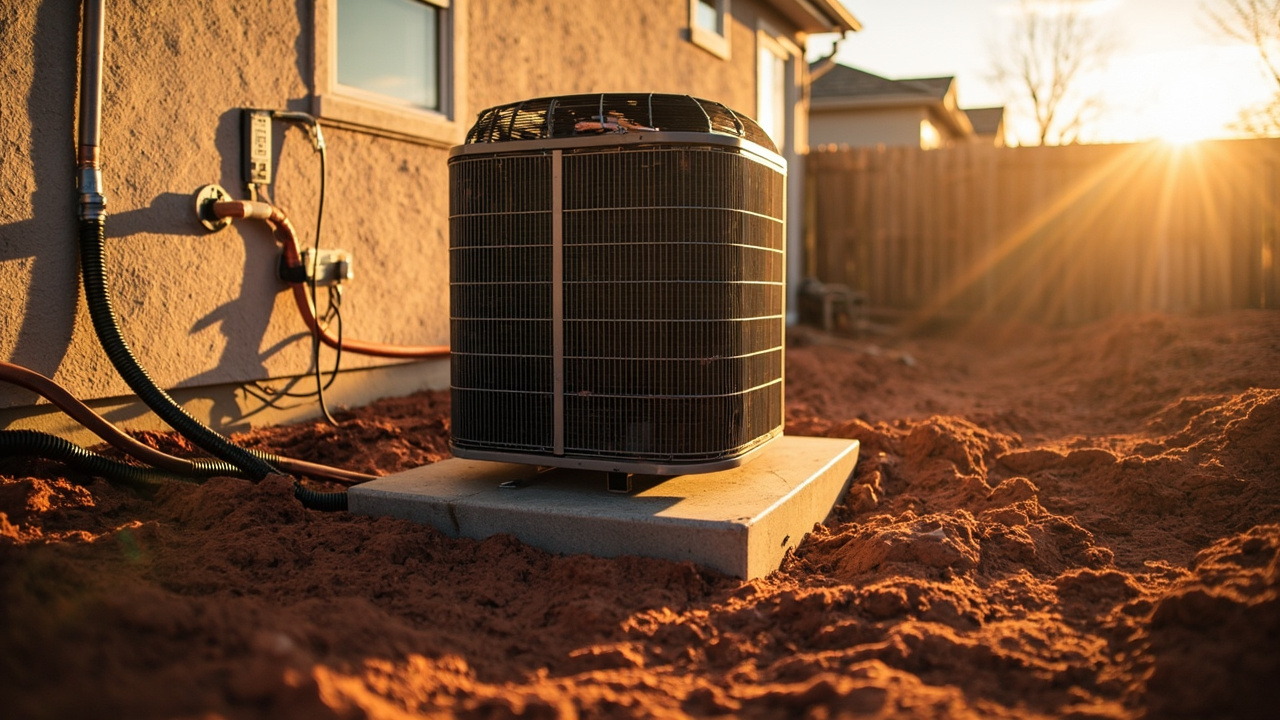
Houston Black clay is the dominant soil running through the north, central and southern parts of Robinson, with Heiden, Branyon and Burleson clays mixed in. Permeability in these clays is very slow and the shrink swell potential is high to very high, so the ground cracks open in a dry summer and closes again once it rains. An outdoor condenser pad sitting on that ground does not stay level year round, and the line set and disconnect running to it need enough slack to move with the pad instead of pulling tight against a fitting.
The Town Area, the oldest platted part of the city dating from the 1890s onward, carries mixed construction ages around the original townsite, so one house on a street can have ducts run through a crawl space while the next has everything pushed into the attic. That mix means two calls on the same block can have opposite causes for the same complaint. Chapman Park Addition, platted in phases through the 2000s, is newer construction with tighter building envelopes and larger conditioned volumes, and a system sized off an old rule of thumb rather than a load calculation short cycles in houses built to that standard, satisfying the thermostat without pulling the humidity down.
The neighborhoods built on Burleson and Heiden clays experience enough ground movement between a dry summer and a wet spring to put real strain on a line set that was installed without slack for it. On a service call to those areas, checking the line set connections at the outdoor unit before assuming a compressor problem is standard practice, because the ground under the pad is the more likely cause.
Permit and inspection questions? Commercial Construction Permits is the office we coordinate with on every permitted Waco job.
How we work on jobs in Robinson
Scope on a Robinson job is set by what the readings show, not by what the technician expects to find walking up to the unit. A finished repair or changeout gets a second look before the technician leaves the property, comparing the readings taken at the start of the visit against the readings taken at the end, because a number that improved on paper still has to hold once the system has run for a while under load.
Technicians build toward working solo by demonstrating the full measurement sequence on a live system in front of a more experienced technician, filter and coil condition, static pressure, temperature split, then refrigerant charge, in that order, before they run a call without someone checking their work. When a job turns up something the original call did not describe, a cracked heat exchanger found during what was booked as a tune up, or a line set that clearly needs replacing rather than reuse, the finding gets shown to the homeowner on the spot along with what it changes, before any additional work starts.
An unusual job, a system that has been recharged before without anyone finding the leak, or a house with one room that has never been comfortable regardless of what equipment has been installed, gets a second technician's eyes on the readings before a scope is written. That habit matters more in Robinson than it might elsewhere, because clay movement under a pad and duct buried in a hot attic both produce symptoms that look like a bad compressor when the actual cause is somewhere else entirely.
Readings before parts
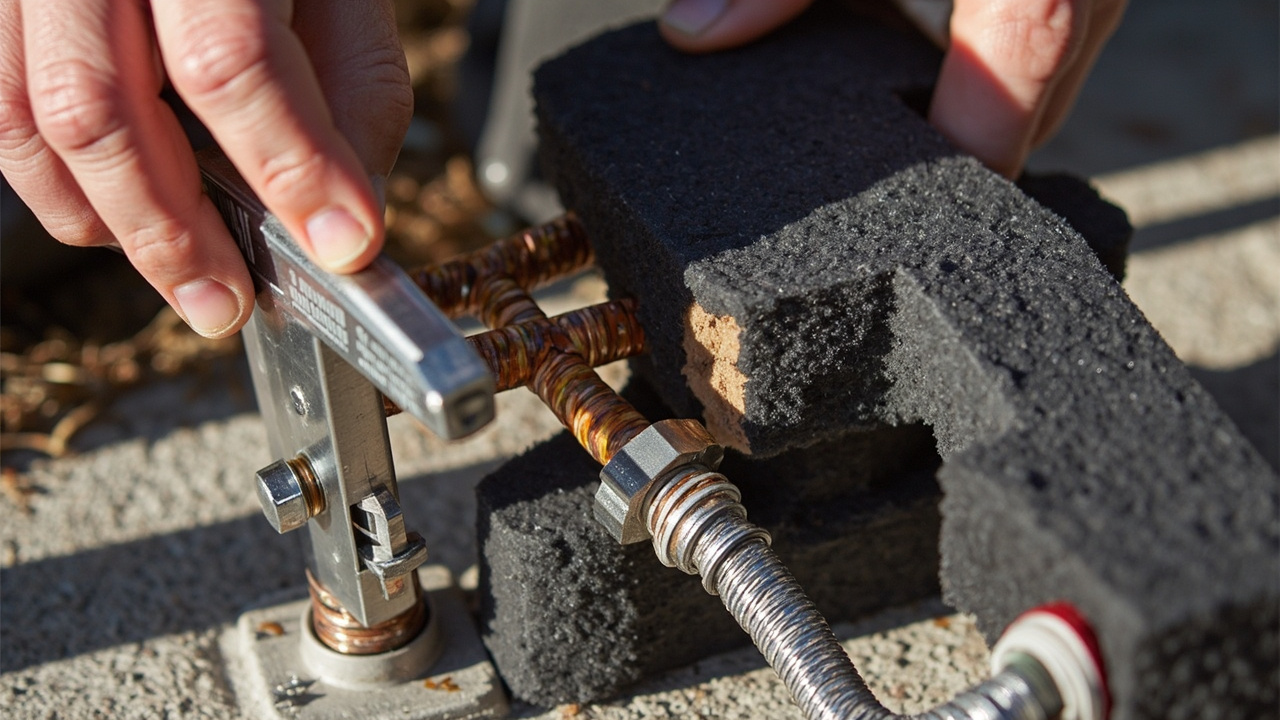
We do not replace a compressor or a capacitor on a guess. Every repair starts with a measurement that isolates airflow, charge or an electrical fault before a part is condemned. On Robinson's older attic duct systems that order matters, because a starved return can mimic a failing compressor and a part swap would not have fixed anything.
Static pressure checked first
A manometer reads total external static pressure across the air handler before anything else is judged. That number, checked against the blower data plate, tells us whether the duct and filter can move the air the equipment needs, which decides whether a charge reading downstream means anything at all.
Code cycle followed as adopted
Technicians work from the code cycle as it is currently adopted for this jurisdiction and review changes when the adopted edition updates. On a full changeout that decides how the equipment and its electrical connection are sized and installed, not just whether the unit turns on.
County coverage by measurement
Working across Robinson and the rest of McLennan County means we already know that attic duct and clay movement are the two conditions that decide most service calls here, so a first visit starts with those two checks rather than a generic inspection built for a different kind of house.
HVAC work we handle across Robinson
Residential work in Robinson is mostly repair and maintenance on furnaces, heat pumps and air conditioners, plus full system replacement when a load calculation shows the existing equipment was never matched to the house. A short winter cold front and a long, humid cooling season both push the heat pump against gas furnace decision here, since a heat pump loses output as the temperature drops while a furnace delivers the same heat regardless of outdoor conditions.
Commercial work turns on a different constraint, uptime and documentation rather than comfort, and scheduling has to work around a business's occupied hours instead of a homeowner's calendar. Emergency work is the third category, and the difference there is timing rather than task, a no heat call on the coldest night of a cold front behaves differently from the same repair scheduled a week out.
Repair and replacement for homes
Residential calls here run from a system that will not cool to a full replacement once a load calculation shows the old equipment never matched the house. A typical visit starts with a homeowner describing warm air at the vents and ice on the outdoor line, and ends with a filter drier changed, a slow leak sealed, and the charge weighed back in against the manufacturer chart for that unit. On a 1960s ranch with the air handler on an attic platform, we often find a return sized for half the house, which explains why one bedroom never holds temperature no matter what the thermostat reads. Replacement work covers furnaces, heat pumps and air conditioners, with the indoor coil matched to whatever outdoor unit goes in rather than left over from the old system.

Commercial rooftop and control work
Commercial accounts in Robinson run packaged rooftop units and light commercial split systems, and the constraint is occupied hours rather than comfort preference. Scheduling works around the hours a business is open, since a dead rooftop unit during business hours costs more than the repair itself. Work here covers economizer and control checks, exhaust and makeup air, and preventive maintenance agreements that catch a failing capacitor or a fouled coil before it becomes a no cooling call on a Monday morning. Documentation matters as much as the repair, a written record of readings taken on each visit that a property manager can hand to whoever reviews the building's mechanical systems. A tenant space with rooftop units feeding several zones gets checked zone by zone, since a single static pressure reading taken at one register tells a manager nothing about the other tenants.
Emergency no heat and no cool calls
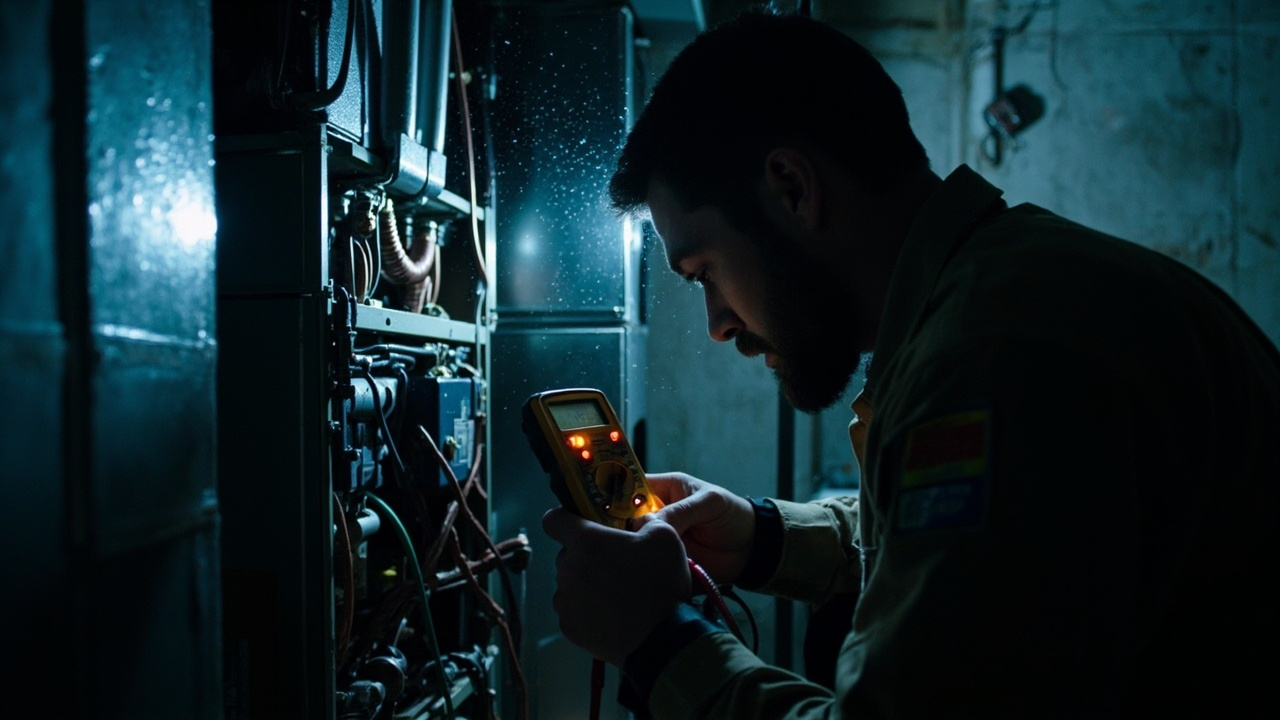
Emergency calls cover no cooling, no heat, a frozen coil, water coming from the air handler, a breaker that keeps tripping, and a carbon monoxide alarm after the building is cleared. The first move on arrival is confirming the system is shut off at the thermostat and the disconnect if it was left running while iced or arcing, because running equipment through a fault only wears a bad part harder. Then the diagnostic sequence starts, filter and coil first, then static pressure, then charge, so the part that failed gets named correctly instead of guessed at. A no heat call landing the morning after one of Robinson's sharp cold fronts gets treated for what it is, a furnace that has not proven ignition and flame signal since spring, checked in that order before anything is replaced.
The HVAC problems we see most in Robinson
Most Robinson service calls trace back to one of two things, the ground under the outdoor unit or the attic the duct runs through, and rarely to a genuinely bad compressor. A slow refrigerant leak is the clearest example of why waiting costs more than the leak itself. The system keeps running longer for less cooling while oil stops circulating with the reduced charge, and once the compressor loses lubrication it seizes, turning a leak repair into a full replacement. That is the point at which calling today rather than next week changes the outcome.
Need something specific? Our hvac tune-up & maintenance page breaks down exactly how we handle it in Robinson.
Long summer runtime failures
Robinson's cooling season runs long with hot days and warm nights that give a system little overnight recovery. Contactors and capacitors on older outdoor units tend to wear out in the middle of a hot stretch from accumulated run hours rather than failing at startup, so a unit that ran fine in June can trip mid August with no warning.
Attic duct losing cool air
Ducts run through a vented attic in most of Robinson's older additions, so attic gain in July and August turns into long run times and back rooms that never catch up. Sealing and insulating the duct run solves this more effectively than adding capacity, because a bigger system pushed through the same leaking duct still leaves the same room hot.
Ground movement straining line sets
The Houston Black and Heiden clays under most of the city crack open in a dry summer and swell again after rain, and that movement lands directly on the refrigerant connections at the outdoor unit. A line set installed without slack for that movement develops a slow leak at the flare or braze joint rather than failing outright.
Deferred filter and coil maintenance
A filter left too long drops airflow across the coil until the coil runs colder than it was built for and ices over, and an iced coil sends liquid refrigerant back to the compressor. Homeowners who postpone a filter change through a busy summer are the ones most likely to end up with an iced system on the hottest afternoon of the month.
Find the sign you have, then read across to see whether it can wait.
| Symptom or first sign | What is already happening | What it becomes if ignored | When to call |
|---|---|---|---|
| A slow refrigerant leak | The system runs longer for less cooling and oil stops circulating properly | The compressor loses lubrication and seizes | This week, while it is still one part |
| A plugged condensate drain | The pan overflows into the platform or the ceiling | The ceiling below stains and the rusted secondary pan lets the rest through | Soon, before it spreads past the repair |
| A cracked heat exchanger | Combustion gas mixes with the air being blown through the house | Carbon monoxide reaches the living space | Now, the same day |
| A coated flame sensor | The burner lights and drops out again and again | The board locks out on repeated trials and the house goes cold overnight | At the next visit, while the fix is small |
| A loaded filter | Airflow drops and the coil runs colder than it was designed | The coil ices over and the compressor takes liquid refrigerant back and fails | This week, while it is still one part |
What the first visit looks like
The first stop is the filter, the coil and the return path, because that check decides whether anything measured afterward means anything. That takes a few minutes before the technician moves to the static pressure and temperature split readings, which run longer since they are taken at the plenums rather than at a register. Before you call, know when the problem started, what changed just before it, roughly how old the system is, and where the breaker and the outdoor disconnect are.
One of our most-requested services here is after-hours hvac service, see that page for pricing and process.
Staying in the loop
You get a confirmation when the visit is scheduled and a call when the technician is on the way. If a job ahead runs long because a leak took longer to find than expected, you are told before your window passes rather than after it.
What happens at the door
The technician introduces himself, then asks you to show him the unit and describe exactly what you have been seeing, the sound, the smell, when it started. Nothing is assumed from the description alone. It gets checked against the readings before anything is called a diagnosis.
Before the truck leaves
Before leaving, the key reading taken at the start of the visit is repeated and shown to you so you can see the change, any access panels or covers removed for the check are put back, and you keep a written record of what was measured and what was done.
From your call to finished work
Most jobs in Robinson run in one or two visits. The first settles what the readings show, filter and coil condition, static pressure, then charge, and whether the fix is a part, a leak repair, or a line set that needs slack built into it for clay movement under the pad. That decision, along with whether a replacement part has to be ordered, decides if the second visit happens the same week or waits.
A straightforward capacitor or contactor swap finishes on the first visit. A leak that needs the line opened, brazed and evacuated takes longer, since the system has to hold below the target vacuum reading long enough to prove no moisture is left boiling off inside it before charge goes back in.
The call itself
We log what you are seeing, when it started, and the age of the system if you know it, which decides whether the visit is scheduled as routine or moved up. A no heat call reported the morning after a cold front is treated differently from a slow comfort complaint that has been building for weeks.
Diagnosis and written scope
The measurement sequence produces a written scope listing equipment, duct work and line set separately, along with what each reading showed. Nothing is ordered or started until you have seen that scope and approved it, so there is no work added after the fact that you did not agree to first.
Finished and verified
Work is completed to the code cycle currently adopted for this jurisdiction, then the same superheat and subcooling reading taken with the manifold gauges at diagnosis is taken again before signoff, so the number that justified the repair is the number that confirms it held.
Codes and inspections for HVAC work in Robinson
The City of Robinson Permits and Inspections Department reviews HVAC work under the International Code Council family of codes, and it publishes its own permit application and inspection request process on the city website, since permits and inspections for this work are issued by the city rather than by the county. A full system replacement needs a permit under that process, and a like for like repair, swapping a failed capacitor or contactor for a matching part, usually does not, though the final call on any specific job sits with the department rather than with the technician standing in the driveway. That distinction matters most on a changeout where the outdoor unit, the indoor coil and the line set are all being swapped at once, since that scope crosses from repair into replacement territory even if the house never loses heating or cooling during the work.
Compliance gets checked at two points on a job, before the equipment goes in and again once it runs. Before installation, the load calculation and the equipment selected are checked against the size and duct of the house rather than against the unit being replaced, because sizing off the old equipment repeats whatever mismatch caused the original complaint. Once the system runs, the same measurement sequence used to diagnose the original fault gets repeated, static pressure across the air handler measured against the blower data plate, then the temperature split across the coil taken at the plenums, then superheat and subcooling read on the manifold gauges. An inspector reviewing that installation checks that the electrical connection, the disconnect, and the refrigerant circuit were sized and sealed correctly, not just that the unit powers on.
Materials matter here in ways that show up years later rather than on day one. A line set installed without slack for a pad that shifts on Robinson's Houston Black and Heiden clay looks fine on the day it is brazed and only develops a leak at the joint once a dry summer and a wet spring have moved the pad against it a few times. Filter driers get replaced any time a sealed circuit is opened rather than reused, since a drier that has already absorbed moisture from one leak repair has less capacity left for the next fault it is asked to catch. None of that shows up on the day a permit closes, which is why the readings taken at signoff, not just a visual check, are what get written into the file kept on record.
From routine maintenance to emergency commercial hvac repair, the same local crew handles every call.
Charge read after airflow
Manifold gauges go on only after filter, coil and static pressure are cleared, because a subcooling or superheat number taken before airflow is confirmed is a guess dressed up as a reading. On a fixed orifice system we read superheat, and where a thermostatic expansion valve is metering the coil we read subcooling, and the number is checked against the maker chart for that unit rather than against a number carried over from another job.
Line set reuse or replacement
A refrigerant change on an aging system sometimes lets the existing line set be flushed and reused, and sometimes requires full replacement, and that choice moves the job more than the equipment tier does. A line set that has sat under a pad shifting on Robinson's clay for years often carries enough strain at the joints that reusing it just relocates the same leak. Replacing it adds labor and material the original call did not price in.
How long a repair should take
A capacitor or contactor swap finishes in one visit once the failing part is confirmed with a clamp ammeter. A leak repair takes longer, because the line has to hold below 500 microns on a micron gauge after evacuation before charge goes back in, and a number that climbs back up means the seal was not proven yet. Finished work reads a steady microamp signal off the flame sensor and a coil temperature split in the normal range before the technician leaves.
Utilities tied to the permit
Electrical work on a new outdoor unit ties into Oncor Electric Delivery service, and a gas furnace ties into Atmos Energy, with both connections checked as part of the same inspection that closes the mechanical permit. Robinson runs its own water and wastewater systems, but those do not factor into an HVAC inspection the way the electrical and gas connections do.
Measured on the ground, sized to load
Answers for Robinson Homeowners
Granite HVAC Waco measures static pressure and refrigerant charge with instruments before diagnosing the fault. Call (254) 221-8461 with your symptom description. Coverage across Robinson and McLennan County means every visit follows the same protocol: filter inspection, coil condition, airflow obstruction check, then charge verification, whether the issue stems from clay movement or attic duct placement.
Ice on the outdoor line set and a system that runs constantly without cooling both mean the charge or airflow is already wrong. A restricted filter or fouled coil comes before the compressor as the likely cause, and a coil that has iced sends liquid refrigerant back to the compressor rather than gas, turning a fixable airflow problem into a seized compressor. A weak or coated flame sensor causing a furnace to light and drop out repeatedly is the gas side version of the same pattern.
A written scope follows the diagnostic readings. The measurement sequence, filter and coil, static pressure, temperature split, then charge, decides what the job needs, and each item, equipment, duct work, line set, gets listed separately with what the reading showed before anything is ordered. Nothing starts until that scope is approved, so cost drivers like whether the line set has to be replaced rather than reused are named before work begins.
Payment specifics get confirmed by phone at the time a visit is booked, since terms are not something this page states as fact. The written scope produced after diagnosis lists equipment, duct work and line set separately, and payment is tied to that same document rather than to a verbal figure given before the readings are taken.
That depends on which side of the sealed circuit the fault sits on. A failed capacitor or contactor is a part swap regardless of how old the system is, while a leaking coil or a seized compressor is a system decision, especially if the refrigerant it uses is no longer in production. The static pressure reading also matters, because a duct that cannot move the air a new unit needs turns a replacement into a repeat of the same complaint under a new label.
Coverage depends on the homeowner's policy and on what caused the failure. A failure tied to a covered event, hail flattening condenser fins during one of Robinson's spring thunderstorms, is a different conversation with an insurer than a compressor that failed from years of high head pressure. Either way, the readings taken on a visit, coil condition and the cause found, are what get written into the record a homeowner would give to an adjuster.
A homeowner can handle a short list of tasks safely, and refrigerant is not one of them. Pouring water down the condensate line to prove it drains, and checking whether a full pan or a rusted float switch is the reason a system shut itself down, are reasonable checks before calling. Anything behind the blower door, inside an electrical panel, or on a gas burner or flue is where it stops, because those carry real risk of shock, burns, or combustion gas reaching the living space.
HVAC Services in The Robinson Area
Explore our service area and locate Granite HVAC Waco with ease. We're proudly local and serve the surrounding neighborhoods with fast response and honest pricing. Use the map to check our coverage area, or call us and we'll confirm in seconds.
Address:
Granite HVAC Waco, Robinson, TX 76706
Changing filters on schedule, keeping the area around the outdoor unit clear, rinsing condenser fins with the power off at the disconnect, and checking the thermostat batteries and breaker before calling are genuinely homeowner jobs. Scope stops at refrigerant, anything behind the blower door, and anything on a gas burner or flue, because those carry real risk of injury. If a visit turns up something outside what was booked, we tell you on the spot rather than after the invoice.
Last reviewed September 2026 by Dale Whitfield, Service manager.