




What an aging closet furnace is telling you
A furnace that used to light and hold now short cycles, or the burner catches and drops out again before the house warms up. Some homeowners notice a faint metallic smell near the closet door, or a flame that looks yellow and unsteady instead of a clean blue. None of that means the unit is dead. It means something in the ignition, draft or heat exchanger sequence is failing to prove itself, and the furnace's own safety controls are shutting it down rather than letting it run wrong.
The table above lists the common first signs. What decides whether this is a repair or a replacement conversation is what is happening behind the sign, not the sign itself. A coated flame sensor reads a weak microamp signal and drops the burner out repeatedly, which is a part you can replace. A heat exchanger that has cracked from years of expansion and contraction inside a hall closet or garage furnace is a different category entirely, because a crack lets combustion gas mix with the air the blower pushes into the house.
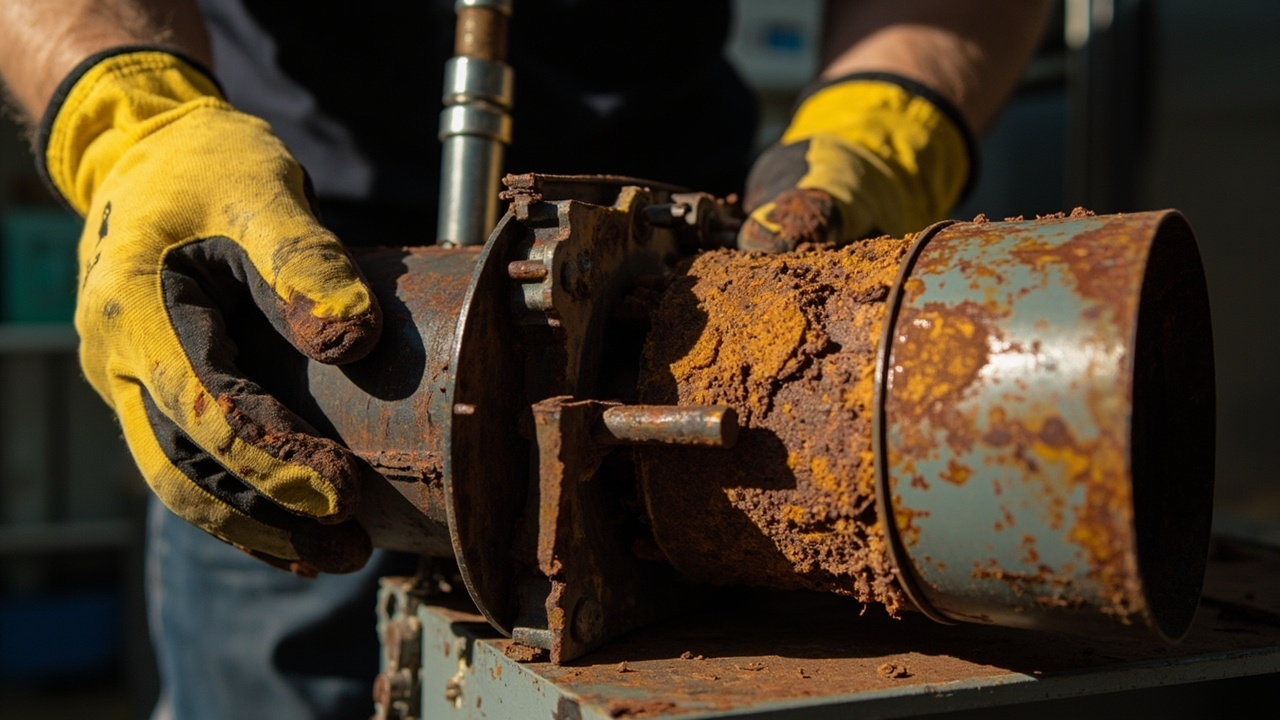
That is the one escalation this page is built around. A cracked heat exchanger starts as an intermittent smell or a furnace that runs rough. Left alone, combustion gas works its way into the air the blower distributes through the return and supply trunk. From there carbon monoxide reaches the living space, and the furnace has to be shut off on the spot rather than patched, because there is no safe repair for a cracked exchanger while people are breathing that air. The danger is not in the breakdown itself but in the invisible gas that follows it.
Furnaces installed in the mid century wave of Waco housing are old enough now that this exact failure shows up on hall closet and garage units that have been running on the same heat exchanger since they were installed. Metal fatigue from repeated heating cycles creates tiny fissures that grow over months or years. If your furnace smells different when it runs, or the flame color has changed, that is the point where waiting stops being reasonable and a combustion check on the flue settles the question either way. That measurement tells you whether the heat exchanger is still holding or whether the unit needs to come out.
If this sounds close but not quite your situation, ac installation & replacement may be the better starting point.
Your local utility, Utility Bill City of Waco, publishes service and water-quality information every Waco homeowner should know.
Find the sign you have, then read across to see whether it can wait.
| Symptom or first sign | What is already happening | What it becomes if ignored | When to call |
|---|---|---|---|
| A cracked heat exchanger | Combustion gas mixes with the air being blown through the house | Carbon monoxide reaches the living space | Now, the same day |
| A weak run capacitor | The compressor pulls high amps every time it tries to start | The windings overheat and what was a part becomes a whole condenser | Now, the same day |
| A coated flame sensor | The burner lights and drops out again and again | The board locks out on repeated trials and the house goes cold overnight | At the next visit, while the fix is small |
| A slow refrigerant leak | The system runs longer for less cooling and oil stops circulating properly | The compressor loses lubrication and seizes | This week, while it is still one part |
| A loaded filter | Airflow drops and the coil runs colder than it was designed | The coil ices over and the compressor takes liquid refrigerant back and fails | This week, while it is still one part |
The order we check a furnace in, and why
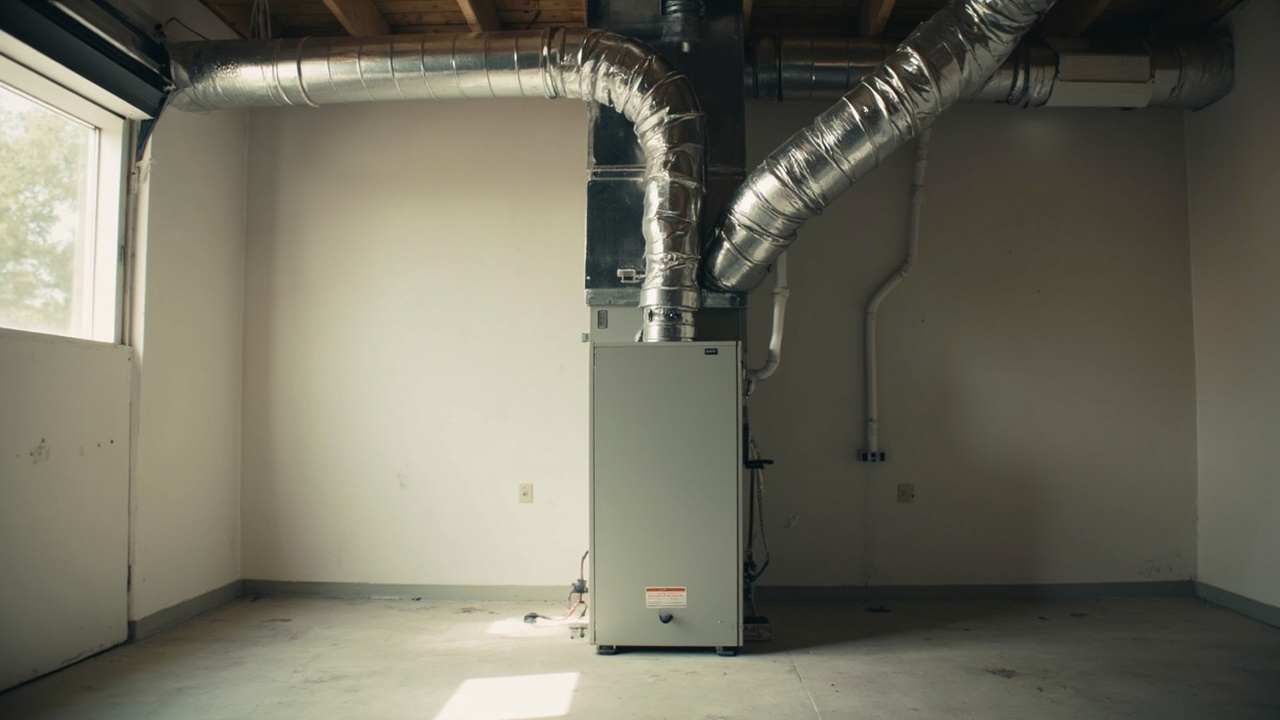
On a gas furnace the diagnostic order runs toward the flue rather than toward the cabinet. The technician first proves ignition, watching the burner catch and checking the flame sensor's microamp signal against the control board's dropout point, because a weak signal there explains most of the lockouts a closet furnace produces on a cold night. Next comes draft, confirmed by the inducer motor and the pressure switch closing the way the furnace expects rather than staying open because a blocked flue or a plugged condensate trap is holding it. Only after draft is proven does temperature rise across the heat exchanger get checked against the number stamped on the furnace's data plate, since a rise outside that range points at airflow or an exchanger problem before any combustion number means anything.
The combustion analyzer goes into the flue last, once the burner has settled into a steady run. A low, steady carbon monoxide reading with oxygen landing where the maker expects clears the heat exchanger and the venting path at the same time. A reading that climbs through the run, or any trace reaching the living space through a supply register, ends the visit with the furnace shut off rather than patched, which is the exact escalation this page opened with. A drifting flame sensor signal caught earlier in the sequence gets cleaned and rechecked before anyone raises the exchanger at all, which keeps a repairable furnace from being condemned on the coldest night of the year.
Replacement puts a heat pump against a gas furnace back on the table, and the answer turns on how cold the greater metro gets and what each fuel costs to run through a season built around short hard freezes broken up by mild stretches. A heat pump is rated on HSPF2 and its output thins out as the outdoor temperature drops, right on the nights those freezes bring, while a gas furnace rated on AFUE delivers the same heat regardless of what the thermometer outside reads. Where a gas line already reaches the closet or garage, that steady output on the coldest nights usually settles the comparison in the furnace's favor. The load calculation for the specific house is what sets the capacity either path needs, and that calculation accounts for the number of windows, the depth of the walls, the direction the house faces, how much the attic insulation R value measures, and whether the basement walls sit above or below grade.
See furnace repair for how the related work is scoped and priced.
When we spec replacement equipment, ENERGY STAR's heating and cooling ratings are the baseline we work from.
Narrow this to two options before calling, then ask which one suits the house.
| Option | The numbers a buyer weighs | Best suited to |
|---|---|---|
| Heat pump against gas furnace | A heat pump is rated on HSPF2 and its output falls as the outdoor temperature drops | Climates where the winter low decides the choice |
| Filtration choice | Compared on MERV rating against pressure drop | Allergy households with duct that can take it |
| Single stage against two stage against variable capacity cooling | Compared on the SEER2 efficiency rating | Two story homes that never feel even |
| Ducted system against ductless mini split | Mini splits are rated per indoor head | Additions and rooms the ducts never reached |
How a furnace replacement runs
First call and diagnosis
On the phone we ask what the furnace is doing, how long it has been doing it, and whether the flame or a smell has changed. On site the order starts with the flame sensor and its microamp signal, moves to draft and the pressure switch, then to temperature rise measured against the data plate. The combustion analyzer enters the flue after the burner stabilizes, and that reading tells you whether the unit needs a repair or a shutdown.
After you approve the scope
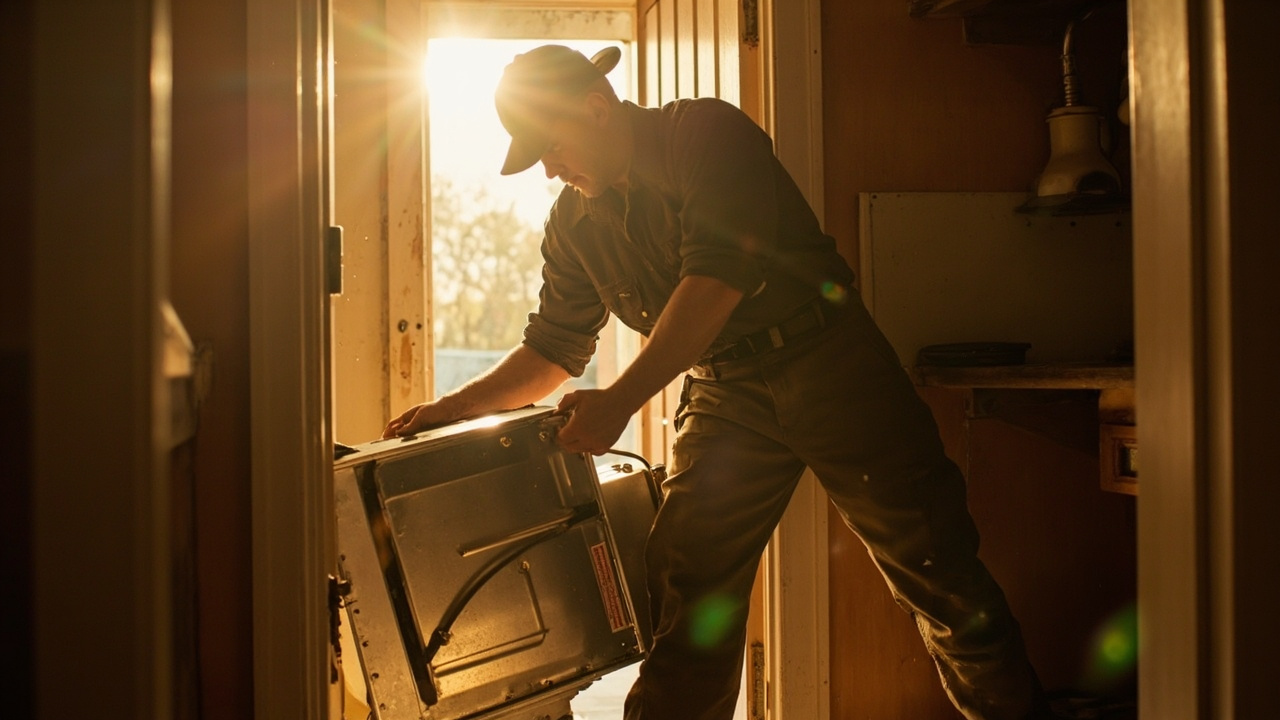
Once the written scope is approved, the gas valve and the breaker feeding the closet get shut off first. The old furnace disconnects from the flue, the gas line and the return and supply trunk before it comes out of the closet or garage. The new furnace sets in place, and the flue, gas line and duct connections go back on in that order. If the attic ductwork does not match what the new unit needs, we stop and show you before reconnecting it.
Startup and verification
Before we leave, the combustion analyzer goes back into the flue and has to hold a low, steady carbon monoxide reading with the burner settled. Temperature rise across the heat exchanger gets checked a second time against the data plate. We walk you through both readings and the permit paperwork the job drew, and you keep a copy of the readings along with whatever the city's inspection process requires for sign off.
Why a furnace closet job here needs its own permits
Mechanical permits in Waco are issued by Inspection Services within the Development Services Department, and permits, payments and inspection requests all go through the city's online Citizens Self Service Portal. Electrical and gas work fall under separate permit types, and the city has a procedure for emergency gas and electrical repairs after weather damage or mechanical failure in occupied homes. A full furnace changeout in a hall closet or garage almost always touches gas and electrical work at the same time as the mechanical swap, which is why it draws more than one permit type rather than a single mechanical sign off, and it is why work like this gets inspected under the International Mechanical Code rather than judged by eye.
A crew unfamiliar with this pattern will often pull the mechanical permit and skip the gas or electrical filing, treating the whole job as a like for like swap. That misses the point of the inspection, which is there specifically to catch the failure this page opened with. An inspector checking a new furnace wants to see the flue connection, the gas line sizing and the combustion result together, because a cracked or poorly sealed connection at any one of those points is what lets combustion gas reach the living space later.
Response across the greater metro does not change what gets inspected. What changes is how fast a crew recognizes the layout and moves through the permit sequence. A hall closet furnace from the mid century era behaves differently on startup than a newer attic furnace, and the ductwork routing and return air pathways vary enough that a technician who has run this exact permit sequence before does not lose a visit figuring out which forms the job needs or how the existing infrastructure connects to the new unit. The inspection itself remains constant across all installations, but the speed of execution depends on whether the crew has seen this particular configuration before.
More detail on emergency blower motor replacement is on its own page.
What the job looks like from your side
How the visit gets scheduled
You call and describe what the furnace is doing, when it started, and whether the flame color or a smell changed. Those answers tell us whether this is a same day visit or a scheduled one. You get a window rather than an all day wait, and if the job ahead of yours runs into the combustion check longer than planned, we call before your window passes rather than after it.
How we protect closets and garages
Before the old furnace comes apart, the floor and any nearby storage get covered, since a hall closet or garage swap means working close to what is already stored there. Tools stay staged on a drop cloth rather than spread across the floor. The old unit and any duct scrap leave with the crew, and the last step before we talk numbers is sweeping the closet or garage floor clean.
What moves the price
Two things most callers do not ask about move the number most. Whether the gas line and the breaker feeding the closet already serve the new furnace's rating, and whether the mechanical, gas and electrical permits this job usually draws add inspection steps beyond a single sign off. Equipment tier and attic duct condition move it further. Each driver goes into a written scope you see and approve before anyone disconnects the old unit.
How we check who shows up
A new technician runs a set number of visits alongside a lead before working a furnace call alone, and the lead signs off specifically on a clean combustion analyzer reading and a correctly cleaned flame sensor before that happens. Anything involving a suspected cracked heat exchanger gets a second technician's eyes on the combustion reading before a shutdown decision or a replacement scope gets written.
You Have Questions,
We Have Answers
Cost depends on the equipment tier and the permit work the job requires. The efficiency rating you choose, whether the gas line and electrical circuit already serve the new furnace, and whether attic or closet ductwork needs sealing all move the number, and the written scope shows you each of those before work starts.
A straightforward closet or garage furnace swap usually runs a single day, from disconnecting the old unit through startup and the combustion check. It runs longer when the gas line needs resizing, the electrical circuit needs upgrading, or the attic ductwork needs resealing to match the new unit's airflow.
Neither size is the right answer without a load calculation. Furnace capacity comes from the home's actual heating load, its insulation and duct condition rather than from picking between two nameplate numbers, and an oversized furnace short cycles and wears out faster than one sized to what the load calculation shows.
Why Dean Highland furnace closets install differently
Housing in this neighborhood runs mostly mid century, and a large share of it still carries a gas furnace set in a hall closet or garage with attic ductwork above. Many of those systems have been replaced once already or partly redone over the years, which means the ductwork feeding the furnace is sometimes newer than the furnace itself, or sized for a unit that no longer matches what is installed. Replacing the furnace here usually means checking whether the attic duct connections still match the new unit's airflow rather than assuming they carry over, and it means working in a closet or garage footprint that was built for the furnace models common decades ago, not the cabinet dimensions of current equipment. Space constraints in these older installations often require careful measurement before ordering a replacement unit.
A closet or garage furnace gets closed back up once the job looks finished, and that is exactly the wrong moment for an inspector to lose access to the flue connection and the gas line joints. Scheduling the inspection before the closet door or garage wall is fully closed up changes how the job gets sequenced, since the flue, the gas fitting and the combustion result all need to be visible together rather than checked by eye after the fact. Knowing that ahead of time means the closet stays open, the ductwork stays exposed at the furnace connection, and the combustion check happens before anything gets sealed rather than after, which is what keeps a furnace swap from needing a second visit just to reopen a wall that never should have been closed.
HVAC Services in The Waco Area
Explore our service area and locate Granite HVAC Waco with ease. We're proudly local and serve the surrounding neighborhoods with fast response and honest pricing. Use the map to check our coverage area, or call us and we'll confirm in seconds.
Address:
Granite HVAC Waco, Waco, TX, 76701
Additional Services We Offer
Changing a filter or clearing a blocked return grille is a homeowner job and does not need us. Where it stops is anything behind the blower door, inside the electrical panel, or at the gas burner and flue, because those carry live voltage or combustion gas. If a diagnostic visit turns up ductwork that needs sealing or rerouting beyond the furnace connection itself, we say so on the first visit and tell you what that separate work involves.
Before you call, know when the furnace started acting up and whether the flame color shifted or an odor appeared around the same time. If you can, find the furnace's age or model tag in the closet or garage and check whether the breaker feeding it has tripped. Those details tell us whether this needs someone today or can wait for a scheduled visit.
Last reviewed September 2026 by Dale Whitfield, Service manager.