




Why the generic heat pump or furnace comparison does not fit your house
The complaint usually starts with the furnace. It lights, runs for a minute or two, quits, then tries again a few minutes later. Some callers describe a heat pump instead, one that seems to run the backup heat strips more than the compressor, with a power bill that jumped in a single billing cycle. Both point to the same underlying question this page is built to answer, and neither is solved by picking whichever system a national comparison chart says is better.
A furnace that lights and drops out stems almost always from a flame sensor losing its signal. The sensor reads the flame in microamps, and a coated or drifting sensor sends a weak signal the control board does not trust, so the board shuts the gas valve as a safety response. A heat pump leaning hard on backup strips indicates a sizing or balance point issue. Strip heat is meant to cover only the hours the compressor cannot keep up, and this outcome does not mean the technology cannot handle the cold.
What makes this pattern sharper here is how the heating season is shaped. Most heating days in Waco stay mild, broken by short arctic cold snaps rather than a long steady winter. Equipment sits lightly loaded for weeks, then gets asked for full output overnight when a front comes through, and that is exactly when a marginal flame sensor or an undersized heat pump balance point gets exposed.
Left alone, a coated flame sensor gets worse in a predictable order. The burner lights and drops out again, then does it repeatedly through the evening, then the control board locks out after enough failed attempts, and the house goes cold overnight with no heat until someone resets and services the sensor. The sensor builds a carbon layer with each cycle, reducing the microamp signal further, which tightens the control board's tolerance band each time until the next ignition attempt falls outside it. That is the point where a phone call today beats waiting for the next cold snap to find the same fault at two in the morning.
The reset buys time but solves nothing. Each lockout strips another layer of diagnostic information away and narrows the window to act before the next arctic snap arrives. A flame sensor that has started this cycle is on a path to failure, and the carbon buildup accelerates as outdoor temperature drops and the furnace runs longer between cycles.
Our page on heat pump installation covers that side of the work in more depth.
How we settle the heat pump or furnace question
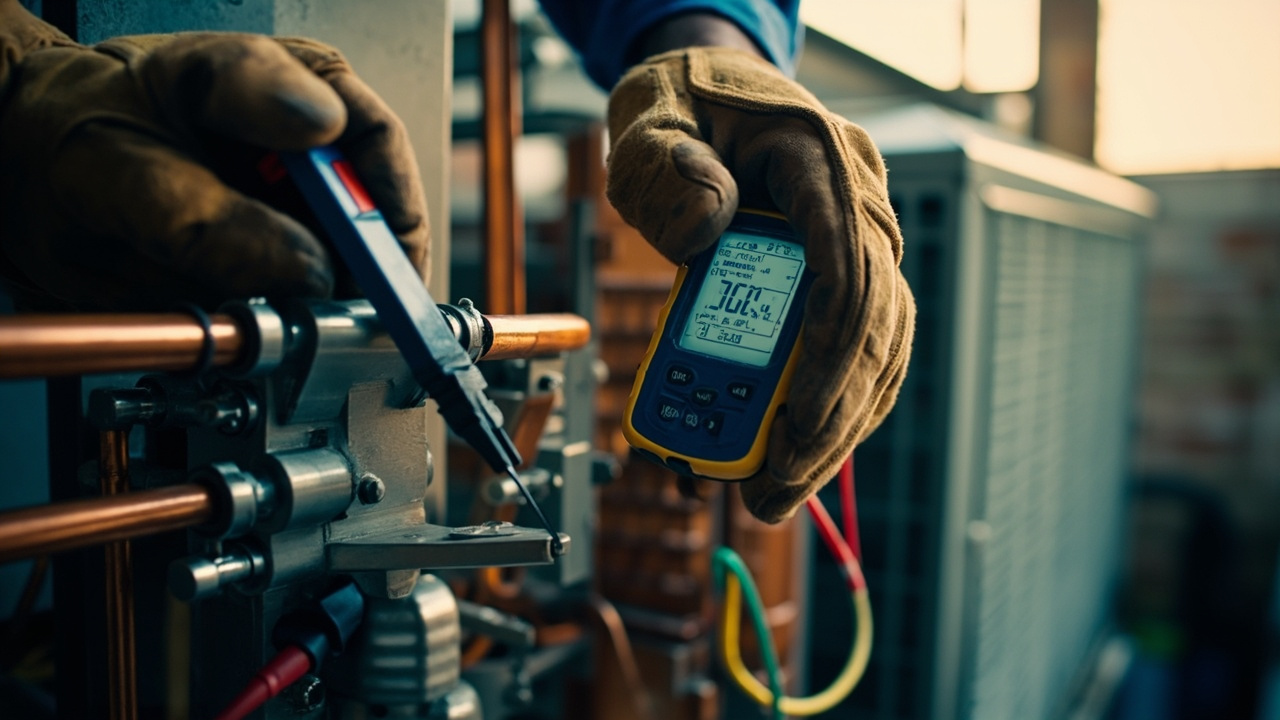
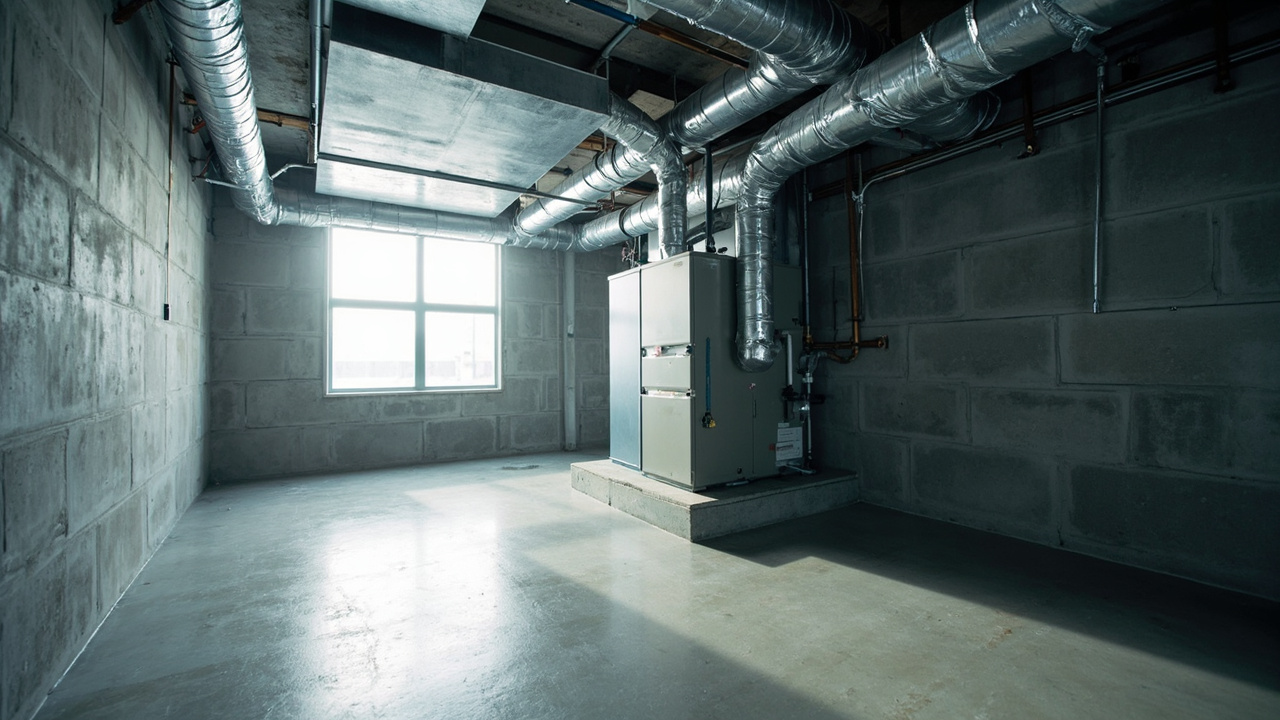
The sequence starts with a heating load calculation based on the house itself, rather than on whatever is already installed. Square footage alone tells us nothing about how much heat a house loses on a cold morning, so the load number comes from insulation condition, window orientation, air sealing and occupancy, run the same way on every visit. If a gas furnace is already in place and staying in the mix, a combustion analyzer goes into the flue once the burner has settled, reading carbon monoxide and oxygen rather than just listening for a click and a flame.
That combustion reading carries weight beyond procedure. Low and steady carbon monoxide with oxygen where the furnace maker expects it means the heat exchanger is sound and the furnace stays a candidate for the system. Carbon monoxide climbing through the run ends that option immediately, and the equipment gets shut off rather than patched, because that reading is a safety decision and not a comfort one. On the heat pump side, the equivalent threshold is the balance point, the outdoor temperature below which the compressor alone can no longer meet the calculated load, which decides how much backup capacity the design needs and whether that backup is strip heat or a paired furnace.
With the load number and the combustion result in hand, the comparison gets concrete. A heat pump is rated on HSPF2 and its output falls as the outdoor temperature drops, while a furnace is rated on AFUE and delivers the same heat regardless of how cold it gets outside. A dual fuel system runs the heat pump for the mild stretch of the season and switches to the furnace once temperatures cross the balance point the installer sets, which in a climate built mostly of mild days and short cold snaps often means the heat pump does most of the work and the furnace covers only a handful of nights a year.
This measured approach prevents oversizing, which wastes energy and money across the life of the system. When equipment capacity matches the actual load, cycling time drops, which improves efficiency and extends equipment life. The furnace or heat pump runs longer and steadier rather than powering on and off in short bursts, and that steadiness is what the design numbers predict.
If this sounds close but not quite your situation, heat pump repair may be the better starting point.
How we reach a recommendation
Assessment and load data
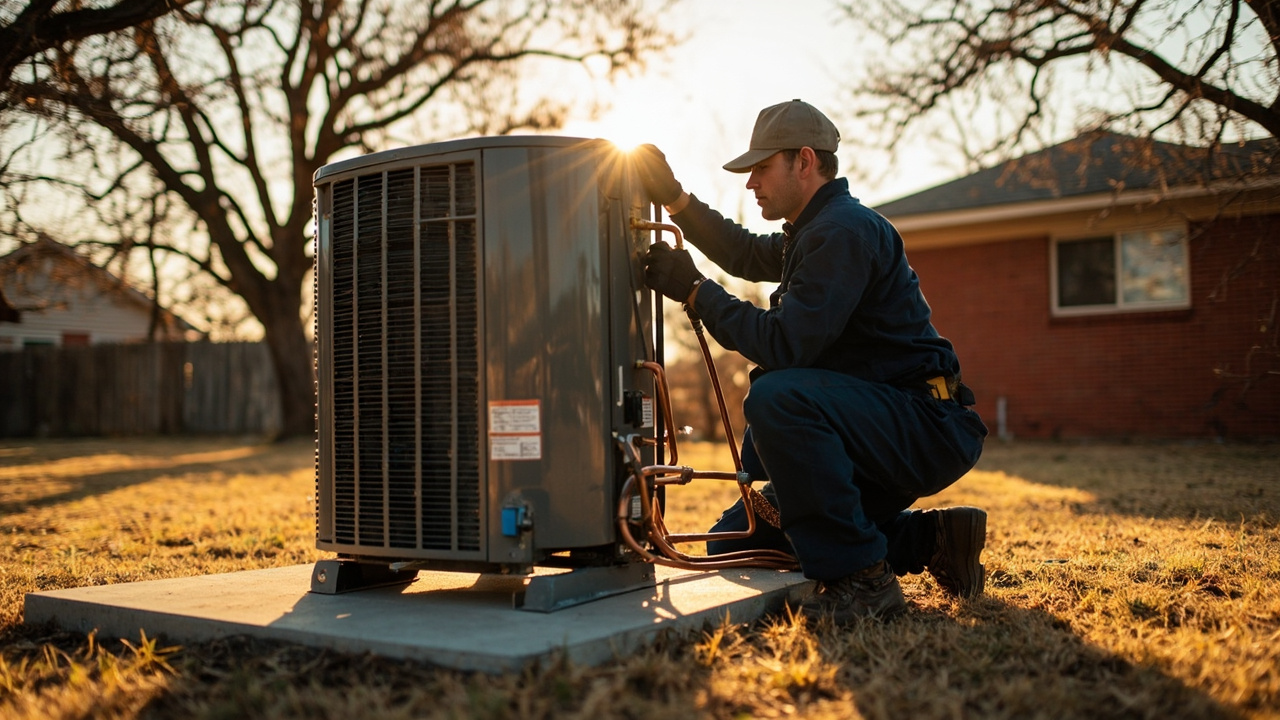
The call starts with what your current system is doing, its age, and whether you are leaning toward keeping gas heat or considering a switch. On site, we walk the house the same way every time, noting square footage, insulation condition, window orientation, air sealing and how many people are usually home. That data feeds the Manual J load calculation, which produces the peak heating and cooling demand for your house rather than a number pulled from the old equipment or the square footage alone.
Recommendation framework
With the load number in hand, the recommendation follows a clear logic. A low or moderate heating load in a well sealed house usually means a heat pump alone covers the season. A higher load, or a household that wants backup for the arctic snap days, points toward dual fuel, a heat pump paired with a gas furnace. Where cooling matters less than heating, keeping a furnace with a separately sized air conditioner can still make sense. We walk through which of these fits your number before any equipment gets named.
Sizing and verification
Equipment gets chosen to match the calculated load. Oversizing adds cost without adding comfort. On a furnace already in service, a combustion analyzer confirms carbon monoxide is low and steady before we call it safe to keep running. On new equipment, we check that the installed capacity lines up with the load number and the manufacturer's rated output before calling the job finished, and you keep the load calculation as part of the paperwork on the system you chose.
What decides the sizing
A crew that does not work Waco heating regularly tends to size a heat pump backup the same way they would in a place with a long, steady winter, pulling a balance point off a generic chart instead of running the load calculation against how this heating season behaves. That mistake shows up fast here, where most heating days are mild and the load only spikes hard during a short arctic cold snap. Oversize the backup for a season built mostly of mild days and the homeowner pays for capacity that sits unused most winters. Undersize it because the mild stretch looked easy to cover, and the compressor falls back on strip heat exactly on the nights the house needs steady output, which is the complaint that starts most of these calls.
The other mistake is treating the existing equipment as the starting point for sizing. A furnace that has run for years in a hall closet or a garage, feeding attic ductwork built for whatever load the house had decades ago, is not proof that its output matches what the house needs now. Insulation gets added, windows get replaced, additions change the square footage, and none of that shows up if a crew just matches the new unit to the old one's capacity. The load calculation exists precisely because the house on paper and the house as built have usually drifted apart, and skipping it on a heat pump conversion is how a homeowner ends up with backup heat sized for the wrong house.
Getting the balance point and the load number right on the first pass matters more here than in a climate with one long heating season, because the arctic snap is short and sharp rather than sustained. There is no slow ramp to catch a sizing mistake before it matters. The first hard freeze either exposes the error or it does not, and a crew unfamiliar with how quickly this climate swings from mild to a hard cold snap has no reason to expect that.
More detail on emergency heat pump repair is on its own page.
Permit and inspection questions? Commercial Construction Permits is the office we coordinate with on every permitted Waco job.
What working with us looks like on this decision
Load matched beats oversized every time
A furnace or heat pump sized to the Manual J number for your house outperforms a bigger unit picked to feel safe. An oversized system short cycles, satisfying the thermostat before it has run long enough to manage humidity or hold heat through a cold snap. A load matched system runs longer at lower output, which is what makes a house feel even rather than just warm on the thermostat.
Heat pump fits most seasons
Waco's heating season is mostly mild days broken by short arctic cold snaps, so a correctly sized heat pump can carry the load on nearly every heating day and only needs backup on the handful of days it drops below its balance point. That backup can be a gas furnace in a dual fuel setup or electric resistance heat, and which one makes sense depends on the load number and how the existing gas or electrical service is set up.
Electrical work often decides the cost
Switching from a furnace only setup to a heat pump, or to dual fuel, usually means new demands on the electrical side, the outdoor disconnect, the breaker size and the wire feeding the unit, since a heat pump and any backup resistance heat draw current a furnace circuit was never sized for. That work moves the job cost up or down depending on what is already in the panel. The written scope, built from the load calculation and an electrical check, is what you approve before anything is ordered.
Maintenance checks differ by system
A gas furnace gets checked with a combustion analyzer in the flue, reading carbon monoxide and oxygen once the burner has settled, because that reading is what confirms the heat exchanger is still sound. A heat pump has no combustion to check, so the annual visit centers on refrigerant readings and a flame sensor is never involved, but a coil cleaning and an amp reading on the compressor matter just as much. A furnace kept in service also gets its flame sensor signal checked in microamps, since a weak signal is what causes the lockouts a homeowner reports as the furnace just quits.
You Have Questions,
We Have Answers
Neither is better for every house, it depends on your load number and how often deep cold hits. Waco's heating season stays mild most days with occasional extreme cold periods, so a correctly sized heat pump can handle most of the season, with a gas furnace as dual fuel backup for those extreme days, or a furnace alone where cooling matters less.
Electric resistance backup heat is the usual cause, since it draws far more current than the compressor cycle it is covering. If backup strips are running often instead of only during a cold snap, the heat pump is likely undersized for the load or the balance point is set wrong, and a load calculation check will show which one it is.
Why Waco's mild winters change the heat pump decision
Waco's heating season runs from roughly late November through February, and most of those days are mild rather than bitter. What breaks the pattern is a short arctic cold snap, a stretch of a few days where temperatures drop hard and fast before returning to something closer to normal. That shape matters for sizing because a heat pump only needs enough capacity and backup to cover those short snaps, not a full winter of sustained cold. A load calculation built around a worst case number borrowed from a colder region oversizes the backup heat for a season that rarely needs it. A design that ignores the snap entirely leaves the house without enough heat on the handful of nights it matters most. The right sizing balances these extremes by measuring the actual conditions your home faces through the season.
The other check that decides this job happens at the electrical panel rather than in the ductwork. A house heated only by a gas furnace was wired for a blower motor, nothing more, so switching to a heat pump or adding one for dual fuel means the circuit breaker, the wire gauge and the service capacity all get checked against the compressor's rated load plus whatever backup strip heat draws on startup. Skipping that check is how a heat pump gets installed on a circuit that trips under load the first time backup heat kicks in during a cold snap. Running it before equipment is ordered is what turns the electrical work from a surprise into a line item the homeowner sees and approves with the rest of the scope, and it is part of why the load calculation and the panel check happen together rather than as separate visits.
HVAC Services in The Waco Area
Explore our service area and locate Granite HVAC Waco with ease. We're proudly local and serve the surrounding neighborhoods with fast response and honest pricing. Use the map to check our coverage area, or call us and we'll confirm in seconds.
Address:
Granite HVAC Waco, Waco, TX, 76701
Additional Services We Offer
- Air Filter MERV Ratings Guide
- Ductless Mini-Split Buying Guide
- Furnace AFUE Ratings Explained
- How Long Does an HVAC System Last
- How to Choose the Right AC Size
- HVAC Repair Cost Guide 2026
- HVAC Tax Credits & Rebates Guide
- R-454B Refrigerant Transition Guide
- Repair vs. Replace Your AC
- Seasonal HVAC Maintenance Checklist
- SEER2 Ratings Explained
- Signs You Need a New Furnace
Changing a filter, keeping a couple of feet clear around the outdoor unit, and checking the breaker are homeowner tasks. The boundary sits at refrigerant, anything behind the blower door, the electrical panel and the gas burner, because those carry pressure, voltage or combustion gas unsafe to work on without the right equipment. If a first visit turns up wiring or gas venting work beyond the unit itself, we say so then.
Before you call, know whether your current system is gas furnace, heat pump or both, and roughly how old it is. Note whether the complaint is comfort, constant running or a furnace that lights and quits, and when that started. If you already have an idea of your insulation or recent energy bills, that helps too. Those answers tell us whether this is a load calculation visit or something more urgent.
Last reviewed September 2026 by Dale Whitfield, Service manager.