





Why one system for two floors struggles here
Hewitt's cooling season stretches from late April into October, with July and August carrying the longest run hours of the year and afternoon dew points that keep humidity load high even after the thermostat is satisfied. Most of the housing stock dates to the 1980s and 1990s, two story homes built with a single system feeding both floors through long flexible duct runs from one attic platform. That layout puts the whole comfort load on one blower and one return, which is why the upstairs is almost always the room that struggles first when anything in the duct path goes wrong.
The failure pattern follows the construction. A flexible trunk that sags or pulls loose above the attic insulation dumps cooled air where nobody feels it, and the register at the far end of the run reads warm while the thermostat downstairs shows the set temperature. Spring hail pits condenser fins and bends louvers on outdoor units with no overhead cover, raising head pressure through the following summer, and short winter freezes put load on heat strips and defrost boards that otherwise sit unused most of the year.
Warren Park carries that same two story, single system pattern, with duct runs long enough that a coil split reading at the far bedroom register rarely matches what the return implies. Country Club Estates tends larger, with some homes running two systems and zoning instead of one shared blower, so the diagnostic order there adds the zone board and damper positions before charge is ever checked. Along the Old Hewitt Drive corridor, the stock is older, slab built in the 1960s and 1970s with returns sized for a smaller original system, so airflow restriction shows up on almost every call before refrigerant does.
One of our most-requested services here is emergency commercial hvac repair, see that page for pricing and process.
How our crews handle Hewitt HVAC calls
Scope on a Hewitt job is set by a measurement, not by what a technician expects walking in. A static pressure reading against the blower data plate decides whether duct work is part of the job before anyone talks about refrigerant, because the expansive clay under much of the county shifts slab-mounted equipment pads enough over a few seasons that a condenser leveled at installation is not always level at the next visit, and that alone can throw amp readings off on a hot afternoon.
New technicians work alongside a senior tech through a set number of full diagnostic sequences, filter through flue where it applies, before they run a call alone, and a completed sequence is what earns that. When a reading falls outside what the equipment maker expects for that unit, or when a duct configuration is unusual, the job goes to a second technician for a look before a scope is written, rather than getting patched on assumption.
When something outside the original scope turns up, a cracked heat exchanger during a furnace call, a pitted contactor discovered while chasing a different fault, it gets named on the spot, written into the scope, and priced separately so nothing appears for the first time on an invoice.
The Search / Verify Licenses or Projects publishes the rules that govern work like this in your area.
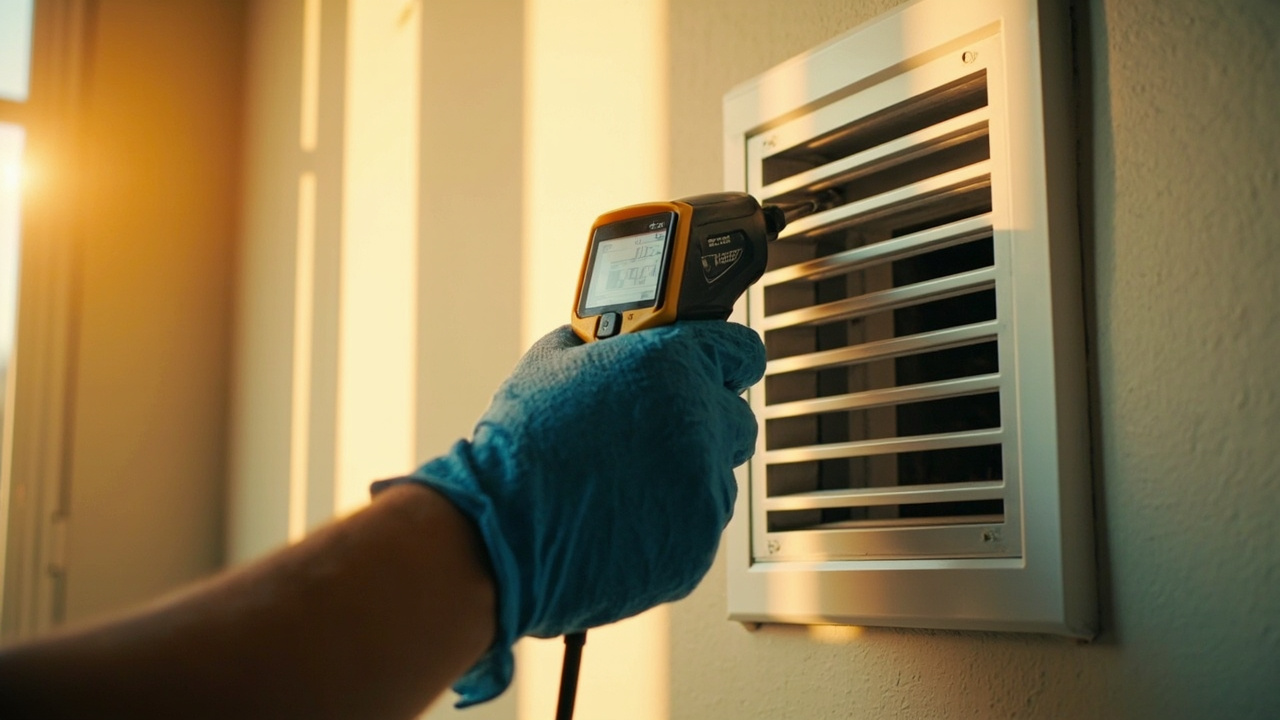
Duct checked before charge
On a Hewitt call, the return and the duct path get checked before a gauge goes on the line set, since flexible duct dominates the attic runs in this housing stock and a sagging or crushed trunk changes every reading taken downstream of it. That order means a homeowner is not sold a compressor repair or a recharge for a problem that lives in the attic instead.
Coil split reading
A probe thermometer on the return and supply plenums gives the temperature split across the coil. Register readings skew in a hot attic because duct gain hides the real number. A narrow split on a hot day points at airflow or charge, and reading it in the plenum first keeps the two from getting confused.
Built to code
Every technician works from the locally adopted residential and mechanical code as it applies to Hewitt, and equipment changeouts here go through the City of Hewitt building inspections office rather than getting closed out informally. On a replacement job, that decides where the disconnect gets mounted and how the condensate line has to terminate before the work is called finished.
Familiar with Hewitt's housing mix
Working across Hewitt means knowing which streets carry slab homes from the 1960s with undersized returns and which carry the two story, one system builds from the 1980s and 1990s with long attic duct runs. That familiarity shortens the first visit, since the likely cause is already narrowed before the filter comes out.
HVAC work we handle across Hewitt
Residential calls in Hewitt center on that two story, single system layout, where one blower and one return have to serve both floors through flexible duct that was never designed with much slack for later additions. Commercial work turns on a different constraint, packaged rooftop equipment and light commercial split systems where access and documentation matter as much as the repair itself. Emergency work compresses the same diagnostic sequence into a single visit, prioritizing whatever stops the bleeding, a tripped breaker reset once and left alone, or a condensate overflow shut off at the thermostat, before the full duct and charge check happens.
What genuinely changes between the three is timing and access more than the underlying diagnostic order. A residential visit can usually run the full sequence, return through coil split through charge, in one stop. Commercial equipment on a roof or in a mechanical room often needs a scheduled window around building occupancy. Emergency calls skip straight to containment, then work backward through the same readings once the immediate risk is handled.
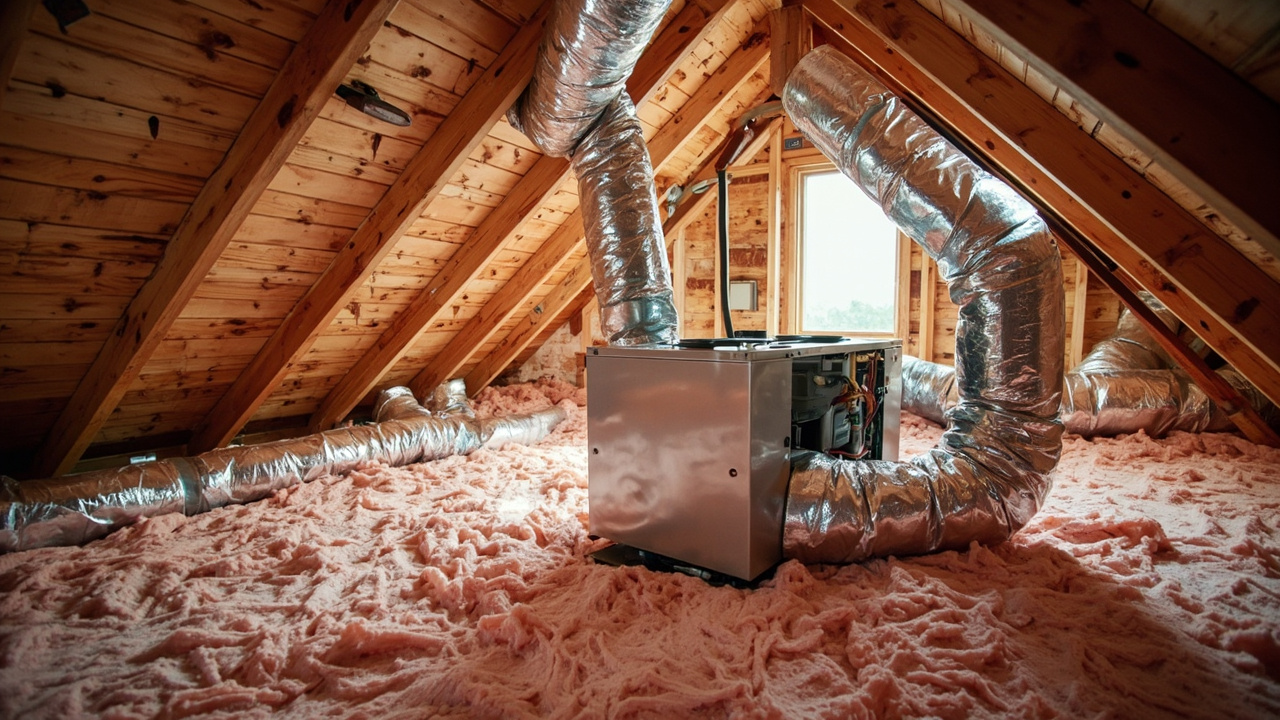
Two story system service
Residential work here covers repair and maintenance on furnaces, air conditioners and heat pumps, full replacements, duct repair and sealing, thermostat and zoning work, and indoor air quality equipment. A typical call starts with an upstairs room that never quite cools and ends with a corrected or resealed duct run rather than a new compressor. On a 1980s or 1990s two story house we usually find a flexible trunk pulled loose or crushed above the insulation, which is feeding cooled air into the attic instead of the bedroom it was meant to reach.
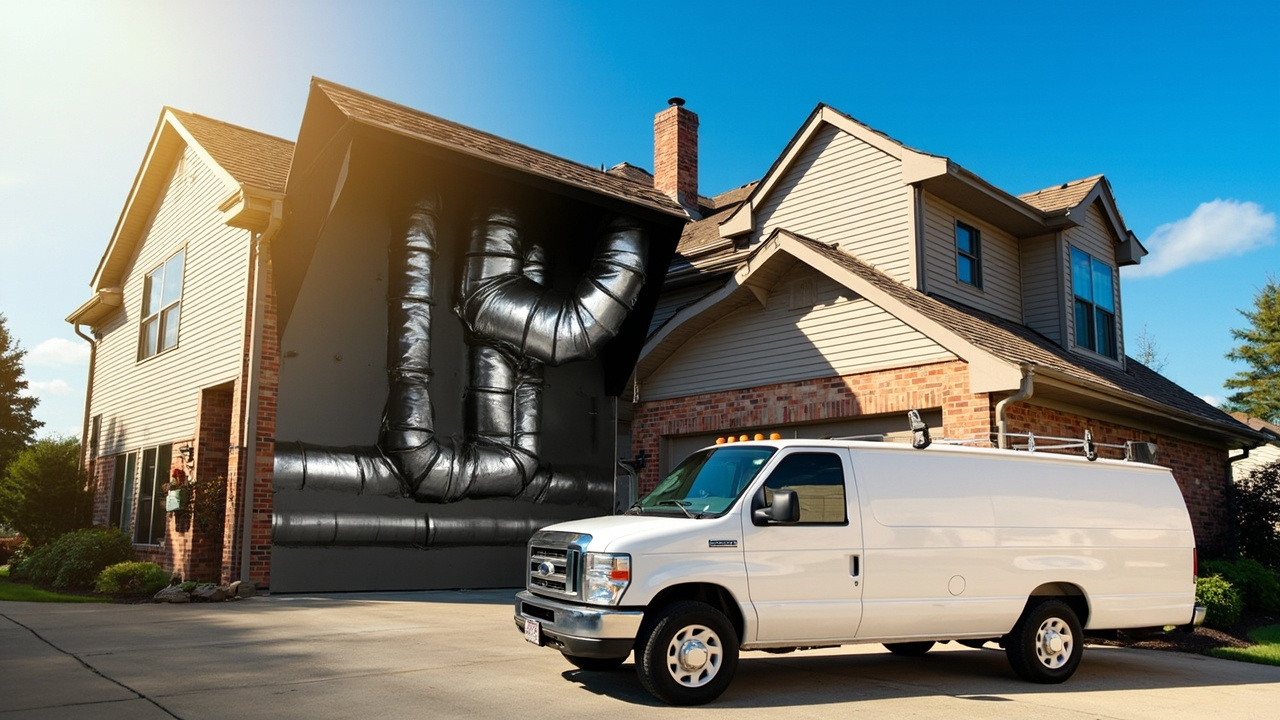
Rooftop and light commercial service
Commercial work covers packaged rooftop units and light commercial split systems, economizer and control work, exhaust and makeup air, and scheduled preventive maintenance agreements. Scheduling runs around occupied hours, so most of this work happens before or after a business is open rather than during it. The documentation covers what was measured and what was replaced, which is what a property manager needs on file when an inspector or an owner asks for a record of the equipment's condition.

No cooling and no heat response
Emergency response covers no cooling, no heat, a frozen coil, water coming from the air handler, a breaker that keeps tripping, and any carbon monoxide alarm once the building has been cleared. The first move on arrival is shutting the system off at the thermostat and the breaker if a coil is icing or water is on the floor, because that stops the damage from spreading while the cause gets found. Then the same return and duct check that runs on a routine call tells us whether the fault is airflow, charge, or an electrical component that failed outright.
The HVAC problems we see most in Hewitt
Most Hewitt service calls trace back to one of two things, air that is not moving the way the duct was built to move it, or refrigerant slowly leaving a sealed circuit that was never meant to lose any. A slow leak is the one that gets missed longest, because the system keeps running and the house still cools, just for longer stretches and with less margin each week.
That is also the sequence behind this page's one call-now threshold. A slow refrigerant leak means the compressor runs longer for less cooling, and running longer without enough refrigerant to carry oil back through the system starves the compressor of lubrication. Once that happens the compressor seizes, and a leak repair becomes a compressor replacement. Catching the leak while superheat and subcooling are still only mildly off is the difference between the two outcomes.
The EPA's indoor air quality resources are the reference we point customers to on ventilation and filtration questions.
Hail damaged condenser coils
Spring storms across Hewitt bring hail that bends condenser fins and dents cabinet panels on outdoor units exposed to the sky, which restricts airflow across the coil and drives head pressure up on the next hot afternoon. A unit that ran fine before a storm can start tripping its breaker or short cycling within a few weeks of hail exposure once the coil surface is compromised, which is the point to call rather than wait out the season.
Upstairs never catches up
Two story homes from the 1980s and 1990s built with one system serving both floors put the entire cooling load on a single blower and return, so the upstairs is the first place comfort fails when duct or airflow is even slightly off. If the downstairs thermostat is satisfied while the upstairs stays several degrees warmer through the afternoon, that gap points at the duct and return sizing as the likely cause.
Duct dumping air into the attic
Flexible duct runs above the attic insulation crush under foot traffic or pull loose at a joint over time, and either fault wastes cooled air in the attic instead of delivering it to the intended room. The register nearest the disconnected section runs weak or warm while the rest of the house cools normally, and once a run is fully separated the load on the system climbs even though nothing inside the equipment has failed.
Condensers choked with yard debris
Cottonwood seed and grass clippings pack into condenser fins through the growing season, and a coil that cannot pull air through it runs head pressure higher every week the debris builds up. That is the deferred task most owners postpone, since the system keeps cooling right up until the afternoon it does not, usually on the hottest day of the stretch when the compressor is already working hardest.
Find the sign you have, then read across to see whether it can wait.
| Symptom or first sign | What is already happening | What it becomes if ignored | When to call |
|---|---|---|---|
| A slow refrigerant leak | The system runs longer for less cooling and oil stops circulating properly | The compressor loses lubrication and seizes | This week, while it is still one part |
| A weak run capacitor | The compressor pulls high amps every time it tries to start | The windings overheat and what was a part becomes a whole condenser | Now, the same day |
| A loaded filter | Airflow drops and the coil runs colder than it was designed | The coil ices over and the compressor takes liquid refrigerant back and fails | This week, while it is still one part |
| A coated flame sensor | The burner lights and drops out again and again | The board locks out on repeated trials and the house goes cold overnight | At the next visit, while the fix is small |
What the first visit looks like
The first stop is the return and the filter, because a restriction there makes every reading after it unreliable, and that check takes only a few minutes before the gauges even come out. From there the visit moves to a static pressure reading at the air handler, then a temperature split across the coil, and only then to charge if the airflow numbers check out. Before you call, know roughly when the problem started, what changed just before it, whether the system has been recharged before, and where the outdoor disconnect and the indoor filter are located.
Before any install, check the ENERGY STAR rebate finder, utility incentives regularly knock hundreds off a qualifying system.
Confirmation before arrival
You get a confirmation when the visit is set and a follow-up contact on the day of the appointment before the technician heads to your address. If a prior job runs long and pushes the arrival window, you are told before the original window closes rather than after it, so you are not left checking the driveway.
What happens at the door
The technician introduces himself, protects the floor and the work path before touching any equipment, then asks you to walk him through what you noticed, when it started, and anything that changed right before it. That conversation happens before any panel comes off, since what you describe often points the diagnostic sequence in the right direction faster than starting cold.
Before the truck leaves
Before leaving, the key readings are repeated and shown to you so you can see the numbers that decided the fix, any access point that was opened is restored, and you keep a written record of what was measured and what was done. If a repair addressed a leak, that record includes where the leak was found and what was replaced to seal it.
From your call to finished work
Most residential jobs here run in one or two visits. The first settles what the diagnostic readings show and produces a written scope, and whether a second visit is needed the same week usually comes down to whether a part has to be sourced or a duct correction has to be scheduled around attic access.
On a replacement or any work that changes equipment or electrical connections, a permit check happens before work starts rather than after, since that decides what gets inspected and when.
What we log on the call
On the first call we log what room or floor is affected, the timeline of the problem, recent changes to the system, and whether the outdoor unit is running or silent. That detail decides whether the visit gets scheduled as a routine diagnostic or moved up because a coil is icing or water is already on the floor.
Diagnosis and written scope
The diagnostic sequence, return and filter, static pressure, coil split, then charge if needed, produces a written scope that lists duct work, parts, and any electrical correction as separate line items rather than one bundled number. Nothing starts until you have seen that list and approved it.
Verified against a reading
Work is finished to the locally adopted mechanical code, and the coil split reading taken at the plenums during the first visit gets repeated before the technician leaves, so the improvement is shown as a number rather than a guess. On a permitted changeout, the condensate route and disconnect location are confirmed before the inspection gets scheduled.
Codes and inspections for HVAC work in Hewitt
The City of Hewitt building inspections office is the permit authority for mechanical work in the city, and a full equipment changeout goes through that office before the job is closed out. A like-for-like repair, replacing a capacitor, a contactor, a flame sensor, or clearing a condensate line, does not typically require the same permit path, though the final call on what qualifies belongs to that office rather than to us.
Mechanical equipment changeouts are permitted and inspected locally, and the inspector checks the condensate route and the disconnect location, which are two of the details most often built wrong on a rushed installation. A condensate line that terminates somewhere it was not supposed to, or a disconnect mounted out of reach of the unit it serves, is enough to hold up a signoff, and both are corrected before the inspection is scheduled rather than after a failed one.
Materials matter as much as placement. A filter drier gets changed any time a sealed circuit is opened for a leak repair, since reused driers stop absorbing moisture and let it recirculate through the system. Line set connections on a replacement are brazed and pressure tested rather than just flared and left, because a joint that holds air at test pressure is the one that still holds refrigerant a year later. None of that shows up on a walk-through, which is why the inspection stage exists in the first place, to catch what a homeowner cannot see once the panels are back on.
From routine maintenance to hvac tune-up & maintenance, the same local crew handles every call.
Sizing that respects the duct
Capacity here comes from a manual J load calculation, never from the size of the equipment being replaced, because a bigger unit on the same flexible duct just moves the comfort complaint to a different room. These runs typically require a static pressure reading to diagnose how air distribution affects comfort, often more than the tonnage on the outdoor unit.
What controls add to the job
Thermostat and zoning work moves the cost of a job more than most homeowners expect, since a zoned system on a larger house needs a zone board, dampers, and a bypass strategy that a single-zone system never touches. Adding zoning to an existing one-system two-story house is a bigger job than swapping a thermostat, and it usually pays off exactly where a single system has been struggling.
What a finished job reads like
A properly finished cooling repair reads a normal temperature split at the return and supply plenums, measured in the duct rather than at a register where duct gain skews the number. On a hot day, a narrow split points at airflow or charge, and a wide split alongside a warm house points at restricted airflow rather than an undersized system, and that distinction decides what happens next.
Utility coordination on electrical and gas
Electrical work on a new disconnect or a service change involves Oncor Electric Delivery, and any gas furnace or gas line work involves Atmos Energy, both separate from the mechanical permit itself. A job that touches either utility usually takes longer to close out than a straightforward equipment swap, since the utility's own inspection or coordination step runs alongside the mechanical one.
Measured, sized, permitted, verified
Answers for Hewitt Homeowners
That question belongs with state and local code officials. Hewitt's cooling season runs from late April into October, long enough with high afternoon dew points that most households here treat air conditioning as a working necessity rather than an optional comfort item, whatever the legal requirement is where a given house sits.
The lowest sticker price usually belongs to a single stage system, but it runs at full capacity on every cycle and pulls less moisture out of the house than a two stage or variable capacity unit running longer at reduced output. A cheap unit on duct that cannot move the air it needs just moves the cost into shorter equipment life and a warmer upstairs. The comparison that matters is staging against the duct the house already has.
Payment terms get worked out per job rather than published on a page. The written scope produced after diagnosis itemizes each component and correction, and nothing starts until that list is shown to you and approved, which is what shapes any payment conversation before work begins.
Granite HVAC Waco checks the return and duct path before a gauge ever touches the line set, then reads the coil split at the plenum rather than at a register, which is not the order every crew follows. Call (254) 221-8461 and describe what the system is doing, and that same sequence runs on the first visit to your Hewitt address.
The difference shows in the order work gets done rather than in anything said about it. Static pressure is measured against the blower data plate before refrigerant is discussed, and an unusual duct configuration goes to a second technician before a scope is written. That order catches attic duct problems that a charge first approach misses on Hewitt's two-story, single system houses.
Coverage depends on the policy and the cause of the failure. A sudden event like hail damage to a condenser coil is the kind of loss a policy is more likely to address than gradual wear from yard debris or an aging contactor. Whatever a policy covers, the written scope from a diagnostic visit is the record that documents what caused the failure.
Some upkeep is genuinely a homeowner task. Changing the filter, keeping the area around the outdoor unit clear, rinsing fins with a hose while the power is off at the disconnect, and verifying the condensate line drains all fall inside that boundary. It stops at work on internal components, since those carry pressurized gas, live voltage, or combustion risk that requires a trained technician to handle safely.
The coil split reading at the plenums is taken twice during the visit to verify consistency, producing a measured result rather than an estimate. The technician compares the final reading to the initial one and leaves you with documentation of all measurements and components that were replaced. For permitted changeouts, the condensate path and disconnect point are also verified at completion.
Response time depends on how the system is failing and how many other calls are running that day. Emergency cooling calls concentrate in the first sustained hot week of the year and again in late August, when dispatch fills fastest across Hewitt. Telling us when the problem started and whether the compressor cycles on and off when you call helps decide how soon it needs to move up the board.
HVAC Services in The Hewitt Area
Explore our service area and locate Granite HVAC Waco with ease. We're proudly local and serve the surrounding neighborhoods with fast response and honest pricing. Use the map to check our coverage area, or call us and we'll confirm in seconds.
Address:
Granite HVAC Waco, Hewitt, TX 76643
Changing filters, keeping the outdoor unit clear, rinsing condenser fins with a hose from inside out with power off at the disconnect, and checking condensate line drains are homeowner tasks. Anything behind the blower door, inside the electrical panel, or involving refrigerant or a gas burner carries live voltage, pressurized gas, or combustion risk and belongs to a specialist. If a visit turns up something outside that boundary, we tell you on the spot.
Last reviewed September 2026 by Dale Whitfield, Service manager.