



What shifting clay does to heating and cooling here
Waco's expansive Blackland clay does not treat every housing era the same way. Pre war frame houses raised on pier and beam floors keep whatever ductwork was added after central cooling arrived tucked into crawlspaces or shallow attics never built to carry a trunk line, so floor movement on that clay pulls a joint apart at the same spot it worked loose the season before. Mid century ranch houses built through the postwar years put the furnace in a hall closet or garage and ran ducts overhead in the attic instead, where ground movement shows up less in the duct and more in a line set or condensate line stressed by a shifting pad under the outdoor unit. Newer construction on slab foundations keeps the whole system in the attic from day one, air handler included, which trades the crawlspace failure pattern for a duct system fighting attic heat for every degree it delivers.
Design conditions push equipment hard in both directions. Summers run long, with afternoons in the mid to upper nineties for weeks at a stretch, so a condenser fan motor or a marginal capacitor that limped through spring quits the moment full load runtime starts. Winter stays mild most days but not gentle, since a short arctic cold snap can drop the county into a hard freeze within a day, and a heat pump without working backup heat strips loses capacity exactly when the house needs it most. The stretch between those seasons, when Gulf moisture raises the humidity load faster than the temperature, is when a system satisfying the thermostat can still leave a house feeling damp, because it removed heat without pulling enough water out of the air along with it.
Fuel and electric service split by housing era too. Gas reaches the older parts of the county where furnaces have carried the heating load for decades, while electric heat pumps show up more in newer construction where gas lines never got run. That split decides whether a hard freeze call starts at a pressure switch and flame sensor or at a defrost board and heat strips, and a technician who has not worked both patterns guesses at which one applies before touching a tool.
Permit and inspection questions? Commercial Construction Permits is the office we coordinate with on every permitted Waco job.
How we run every HVAC visit in Waco
Every finished job gets a second look before it is called done, and that check is a measurement against a target rather than a walk through by the same person who did the work. A static pressure reading, a delta T across the coil or a combustion reading taken at the end of a visit gets compared to what the equipment is rated for, and a number that misses that range means the job is not closed, no matter how the system sounds when it starts. That closing reading gets written into the job record, so a future visit to the same address starts from a documented baseline instead of a guess.
Scope on a Waco visit is set by what the readings show, not by what a technician expects walking in. That matters here specifically because a house sitting on shifting clay can look like a straightforward capacitor call and turn out to be a line set stressed loose at a fitting, or a duct joint pulled apart under an attic floor that moved last summer. When a reading uncovers something outside the original scope, that finding gets shown to the homeowner before any additional work starts, priced and explained separately from what was already agreed.
New technicians spend time on repair calls under a senior technician before running a diagnostic sequence alone, and the standard they have to meet is explaining what each reading ruled out, not just which part they replaced. A capacitor swap that skips checking the contactor and the run amps first is the kind of shortcut caught in that training period rather than on a customer's roof. An unusual job, a system recharged more than once without the leak found, or a rooftop unit behaving in a way nobody on the crew has seen, gets a second technician looking at the same readings before a repair plan goes out.
The U.S. Department of Energy's home heating and cooling guide explains the efficiency math behind our recommendations.

Airflow checked before charge
No gauge goes on a system here until the filter, the coil and the return path are cleared, because a charge reading taken behind a choked filter is a guess dressed up as a number. That order catches the loaded filter or fouled coil that starts as a comfort complaint and ends as a frozen coil and a compressor pulling liquid refrigerant, before it gets that far.
Clamp meter on every start
A clamp ammeter on the compressor and blower during startup shows running amps against the rated load stamped on the data plate, and a brief spike toward locked rotor points at a failing capacitor or contactor rather than a dying compressor. That reading settles which part is at fault before anything gets condemned, which matters most on an outdoor unit that has been humming and quitting for days.
Working from the current cycle
Technicians work from the mechanical code as it is adopted here, and the crew reviews changes to that adopted version together rather than leaving each person to learn it from the last job that got flagged. On a full replacement, that practice decides how the flue, the disconnect and the condensate routing get built before an inspector ever sees them.
Housing stock across the county
Pier and beam floors, mid century attics and slab construction all sit on the same shifting clay across this county, and each one moves differently under a line set or a duct joint. Knowing which pattern belongs to which build era means a technician stops guessing at the cause of a leak or a duct failure before the first reading is taken.
HVAC work we handle across Waco
Residential work in Waco is mostly diagnostic and repair on furnaces, heat pumps and air conditioners in attics and closets built for an earlier generation of equipment, plus full replacements sized by a load calculation rather than by the box coming out. Commercial work turns on a different constraint, uptime and documentation a property manager can hand to someone else, on packaged rooftop units and light commercial split systems that keep a business open rather than a family comfortable.
Emergency work runs on urgency without skipping the sequence that finds the actual fault. A no cooling call in July and a no heat call during a hard freeze both start the same way, filter and airflow first, because a rushed charge added to a choked system fails again within days. An emergency compresses the timeline for that sequence but never removes a step from it.
Furnace and air conditioner repair
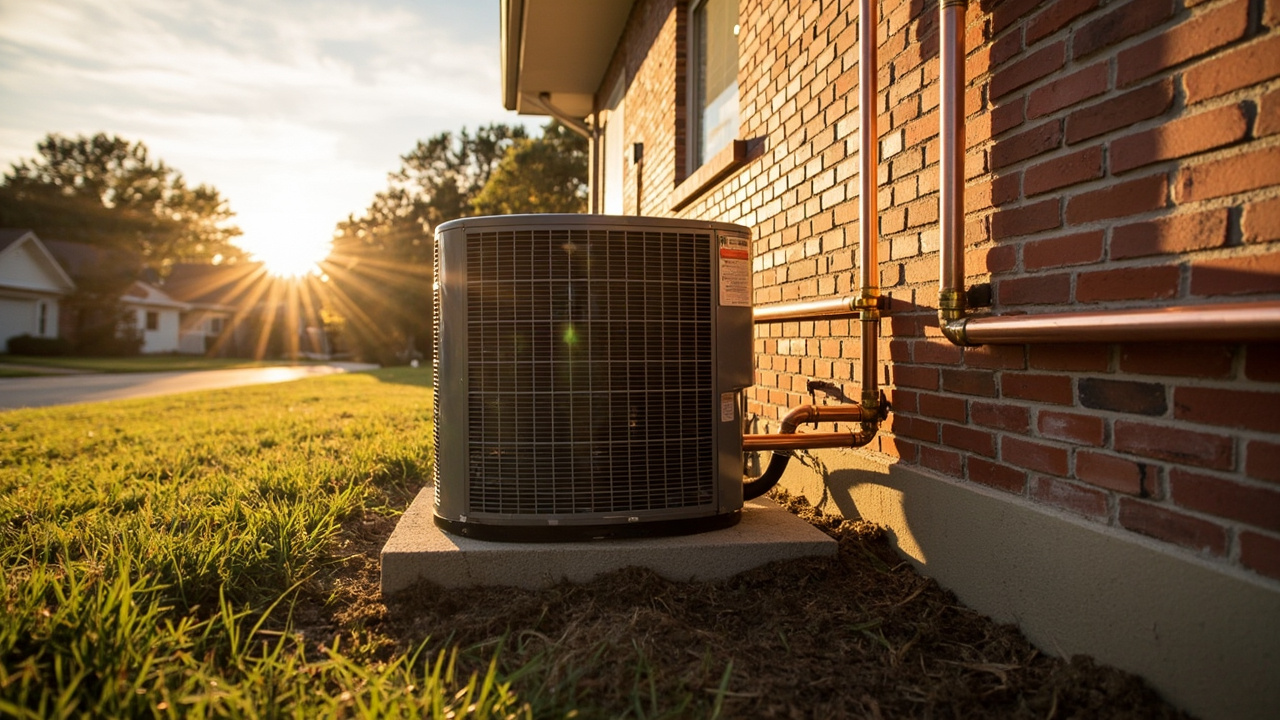
Residential visits in Waco cover furnace, heat pump and air conditioner repair, full system replacement sized by a load calculation, duct repair and sealing, thermostat work and indoor air quality equipment. A typical call starts with a homeowner saying the system runs all day and the house never quite cools, and the visit ends with either a repaired part or a documented reason the equipment cannot keep up. On a mid century ranch house with the ductwork in the attic, we usually find a duct trunk that was resized once as the cooling load grew but never rebalanced, so one register starves while another overcools a room nobody uses. Fixing the register does not fix that. Balancing the trunk and confirming the fix with a temperature reading at each supply does.
Rooftop and light commercial service
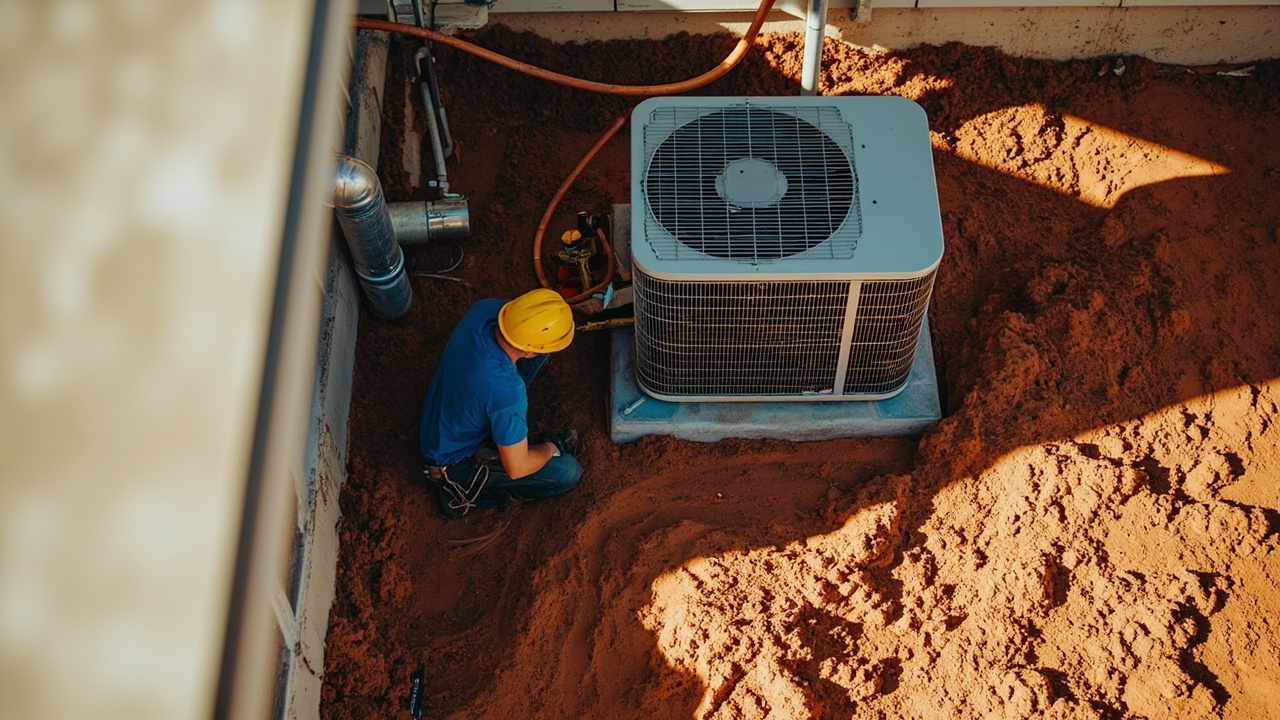
Commercial work in Waco covers packaged rooftop units on a curb and light commercial split systems, economizer and control work, exhaust and makeup air, and scheduled preventive maintenance. Scheduling runs around a business's occupied hours rather than a homeowner's afternoon, since a rooftop unit down during business hours is a revenue problem before it is a comfort one. Documentation covers what was measured, what was replaced and what the equipment is doing against its data plate rating, which is what a property manager or a reviewer preparing for a lease decision asks for after mechanical work. A packaged rooftop unit going down on the hottest week of summer gets the same airflow first sequence a house gets, just against a bigger blower and a higher static pressure target.
No heat and no cooling calls
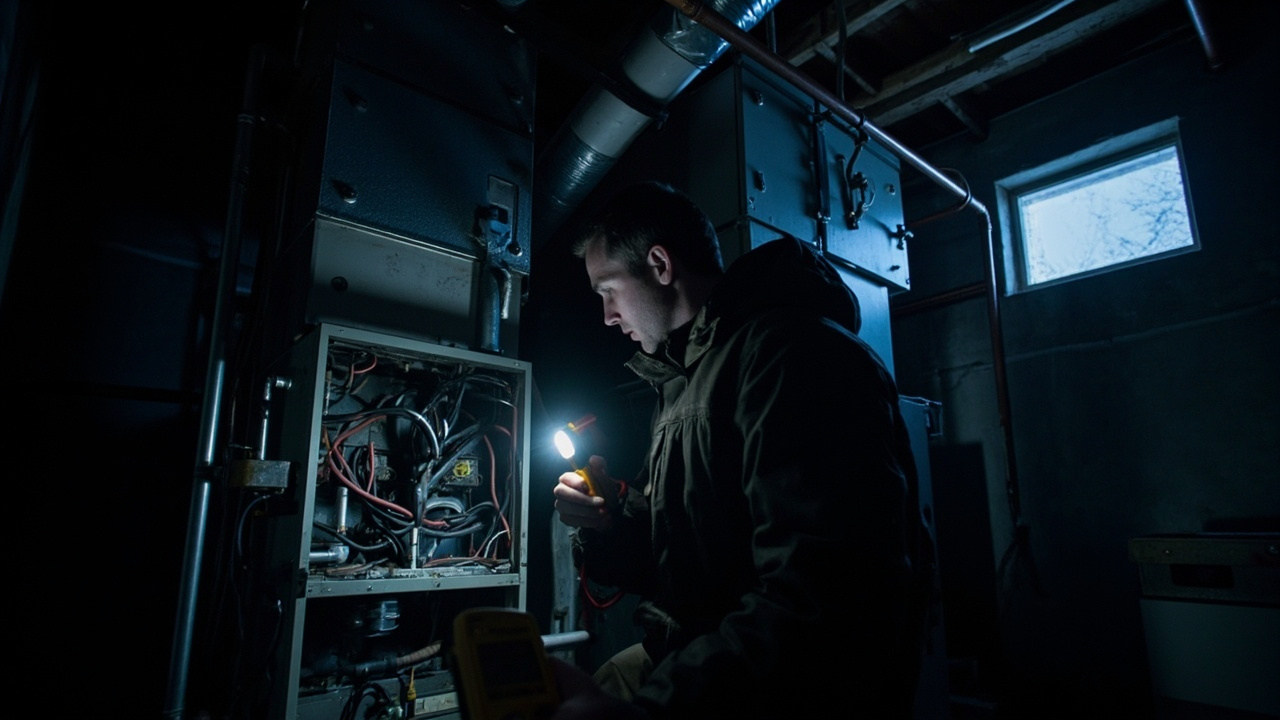
Emergency work covers no cooling, no heat, a frozen coil, water coming from the air handler, a breaker that keeps tripping, and any carbon monoxide alarm once the building has been cleared. The first move on arrival is confirming the system is shut down safely, at the thermostat and the disconnect or the breaker, because a compressor still trying to start against a fault only makes the failure worse. Then the same diagnostic order applies under time pressure, filter and airflow, then temperature split, then charge or combustion, because an emergency repair built on a guess fails again within days. That second failure usually happens on the worst night of the season, which is exactly when nobody wants to make the call twice.
The HVAC problems we see most in Waco
Most calls in Waco trace back to one of two mechanisms, airflow or a slow refrigerant leak, and the four problems below are how those two show up in different houses and different seasons. A loaded filter or a fouled coil restricts airflow, which drops the coil temperature further than it was designed to run. Once ice forms on the coil, the compressor starts pulling liquid refrigerant back instead of vapor, and that is how a cheap filter left too long turns into a failed compressor.
That is the point where waiting stops being free. A system that is icing, or one that has been recharged more than once without anyone finding the leak, is closer to a compressor failure than a comfort complaint, and the cost of the visit does not change nearly as much as the cost of what fails next.
When we spec replacement equipment, ENERGY STAR's heating and cooling ratings are the baseline we work from.
Summer heat exposes weak parts
Waco's cooling season runs from April through October with the heaviest load in July and August, and that runtime finds every marginal capacitor, pitted contactor and slow leak that coped fine at part load. A system humming or clicking outside and quitting, or a breaker that trips a second time, means the outdoor unit should be shut off at the disconnect rather than restarted again.
Attic ductwork ages faster than equipment
Post war ranch houses and newer slab construction both run ducts through an attic that regularly exceeds triple digit heat in summer, which ages flex duct, duct board and tape seals faster than the compressor or blower ever wears. A supply register blowing weak air while the return sounds fine usually points at a duct seam that opened in that heat rather than a failing air handler.
Clay strain on line sets
Blackland clay shrinks in drought and swells with rain, moving slabs, pier and beam floors and the pad under every outdoor unit in McLennan County. That movement works a flare fitting loose at the line set or tips a condensate line out of its pitch, which shows up as a slow leak or a drain that backs up even though nothing inside the unit has failed.
Postponed filter changes and coil cleaning
A filter left in past its schedule or a coil never rinsed restricts airflow the same way a duct leak does, and the system compensates by running longer for less cooling until the coil ices. Utility bills climb for months before anyone notices, and by the time the house feels warm despite constant runtime, the postponed maintenance has already stressed the compressor.
What the first visit looks like in Waco
The first stop on any Waco call is examining airflow restriction, since the filter, coil and return air passages have to be cleared before any charge reading means anything, and that check takes a few minutes before the gauges or the temperature probes come out. Before you call, know when the problem started, what changed just before it, roughly how old the equipment is, and where the breaker or the gas shutoff is. If the house has been recharged with refrigerant before without anyone finding the leak, mention that too, since it changes where the visit starts.
From routine maintenance to hvac tune-up & maintenance, the same local crew handles every call.
Confirmations before arrival
You get a confirmation when the visit is set and a call when the technician is on the way, with a realistic arrival window rather than a vague half day estimate. If a job ahead runs long because of an unexpected finding, you get a call explaining the delay rather than a missed window with no explanation. During the peak of a Waco summer or a hard freeze, that call also tells you where the visit falls in that day's queue.
Arrival and walkthrough
The technician introduces himself, protects the floor and the attic access path before stepping past it, then asks you to describe what you are seeing and to show him where the problem shows up, whether that is a warm register, a puddle by the air handler or a breaker that keeps tripping. Questions about when it started and what changed beforehand come first, because that history often narrows the search before a single reading is taken.
Verification before leaving
Before leaving, the same measurement that opened the visit, static pressure, delta T or a combustion reading, gets repeated and shown to you so you can see the number change. Any attic or crawlspace access is closed back up, work areas are cleaned, and you keep a written record of what was found and what was done, which matters if a permit inspection or a future service call comes up later.
From your call to finished work in Waco
Most jobs in Waco run one or two visits, and what decides whether it is one is whether the diagnostic sequence turns up a part failure or a system decision. The first visit settles that with a fixed order of readings, filter and airflow, then static pressure, then temperature split, then charge or combustion, and that order does not shorten just because the house is uncomfortable.
A second visit usually means equipment or a part had to be ordered, or the finding changed the scope enough that the homeowner needed time to decide between a repair and a replacement. Either way, the same closing measurement that opened the first visit gets repeated at the end of the second, so the record shows the system was verified rather than assumed finished.
The call itself
We log the symptom in your words, when it started, what changed just before it and the rough age of the equipment, and that history decides whether the visit is dispatched as same day emergency work or scheduled diagnostic service. A carbon monoxide alarm or a gas smell changes that dispatch immediately, ahead of anything else on the board.
Diagnosis and written scope
The diagnostic sequence, filter and airflow, static pressure, temperature split, then charge or combustion, produces a written scope listing each finding and each proposed repair separately rather than as one bundled number. Nothing opens up or gets replaced until you have seen that scope and approved it, which is what keeps a filter problem from turning into an unplanned compressor replacement.
Finished work and verification
Repairs and replacements are verified against a closing measurement, delta T across the coil, static pressure or a combustion reading, rather than a visual check, and that reading is repeated and compared against the target before signoff. The measured value determines whether the job is finished. On a full replacement, that same reading gets recorded for the inspection that follows.
Codes and inspections for HVAC work in Waco
City of Waco Inspection Services reviews HVAC work here under the International Mechanical Code, and permits, payments and inspection requests all run through the city's online portal rather than a paper process. A full system replacement, new ductwork or a change to the gas or electrical connection feeding the equipment generally needs a permit, while a like for like repair, a capacitor, a contactor or a motor swapped for the same part, usually does not, though the final call on any specific job belongs to that office rather than to a contractor's opinion of the work.
Inspection on a permitted job happens after the equipment is set and connected but before everything is closed up, which is when the inspector can still see the line set connections, the condensate routing, the electrical disconnect and, on a gas furnace, the flue and combustion air path. That timing matters in Waco specifically because the clay soil movement described earlier keeps working on a line set and a condensate line for years after installation, so a connection that reads solid on inspection day still needs to be routed to tolerate a slab or a pier and beam floor that will keep shifting through the next drought and the next wet season. A line set strapped tight to a foundation wall with no slack fails the same way eventually, permit or not.
Materials matter more here than in a climate with less ground movement and less attic heat. Flex duct and duct board rated for the attic temperatures this metro reaches hold up longer than a lower rated product, and a condensate line with a proper trap and a cleanout survives the algae growth that McLennan County humidity produces every summer. None of that shows up on the permit application, only on the finished job, which is why the internal verification described earlier, the reading taken and recorded before the technician leaves, matters as much as the inspection itself. A furnace heat exchanger inspection follows the same logic, since a crack that passes a visual look can still leak combustion gas once the metal expands under a full heating cycle.
On a commercial rooftop unit, the same code family governs the work but the inspection adds economizer function and exhaust and makeup air to what gets checked, since a packaged unit on a curb has combustion and ventilation questions a residential split system in a closet does not. A property manager preparing for a lease renewal or a due diligence review usually wants that inspection record on file, not just a receipt for the work.
Need something specific? Our after-hours hvac service page breaks down exactly how we handle it in Waco.
Reading a coil under attic heat
A delta T reading across the coil can look correct at the air handler and still be wrong by the time air reaches a register, because attic heat adds duct gain to the supply side after the coil already did its job. The technical challenge here is separating a genuine airflow or charge fault from a duct losing capacity in transit, which means checking duct condition before trusting the number.
Permit review adds lead time
A full replacement usually needs a permit, and that review adds time to the schedule that a like for like repair does not carry. Jobs that touch gas or electrical work in addition to the equipment itself move slower through that review, which is a cost driver worth planning around rather than one that shows up as a surprise.
What a finished job should read
A duct balance or a leak repair done properly is not a rushed visit, since finding the actual fault takes longer than swapping the first part that looks worn. Finished work should read a delta T across the coil inside the range the equipment maker sets for that unit, confirmed and shown at the register before the technician leaves rather than assumed from how the system sounds.
Gas and electrical permits differ
Electrical work and gas work on a system fall under separate permit types here rather than one combined mechanical permit, so a job touching both follows two review paths rather than one. The city also has a defined process for emergency gas and electrical repairs after weather damage or a mechanical failure in an occupied home, which applies when a hard freeze or a storm forces work outside a normal schedule.
Measured, permitted and verified
Answers for Waco Homeowners
Pricing for hvac in Waco depends on the scope of the job, access, and the materials involved. Most projects fall within a predictable range, and Granite HVAC Waco provides an upfront, itemized quote before any work begins, no surprises when the job is done. Call (254) 221-8461 for a fast estimate.
The same local crew Granite HVAC Waco trains and sends on every Waco job, not a subcontractor lottery. Your technician arrives background-checked, in a marked vehicle, with the parts this job usually needs, and we pull the required permits so the work meets current local code.
In most of our Waco service area we can dispatch a technician the same day, and often within a few hours. Emergency calls are prioritized 24/7, call (254) 221-8461 and we'll give you an accurate arrival window on the phone.
Give us a call at (254) 221-8461 to explore the best options for your situation. One of our friendly technicians will evaluate what is going on, walk you through your choices in plain language, and make sure you know exactly where things stand before any work begins.
We accept all major credit cards, checks, and cash, and financing options are available for larger projects. Ask about current financing terms when you call (254) 221-8461.
Unusual noises, rising utility bills, recurring problems that come back after quick fixes, and visible water, rust, or damage are the classic red flags. Catching these early almost always means a smaller, cheaper repair. If you're seeing any of them in Waco, it's worth a call to (254) 221-8461.
Local crews who know Waco homes, upfront itemized pricing, and a real person on the phone 24/7. We show up when we say we will and document the work before we leave, that's why so many of your neighbors call us first.
National chains and big-box stores typically subcontract this work and add a markup, with limited follow-up if something goes wrong. Granite HVAC Waco handles hvac with our own local technicians and transparent pricing, and the person who answers our phone works in Waco, not a call center. Call (254) 221-8461 to compare quotes.
As a rule of thumb, if a repair costs more than half the price of a replacement, or the equipment is past roughly two-thirds of its expected lifespan, replacement usually wins on total cost. We walk you through both numbers so you can decide with real figures in front of you.
Some minor maintenance is homeowner-friendly, but most hvac work involves code requirements, specialized tools, and failure modes that can turn a small problem into major damage. A qualified pro protects your home and gets it done right the first time.
HVAC Services in The Waco Area
Explore our service area and locate Granite HVAC Waco with ease. We're proudly local and serve the surrounding neighborhoods with fast response and honest pricing. Use the map to check our coverage area, or call us and we'll confirm in seconds.
Address:
Granite HVAC Waco, Waco, TX, 76701
Refrigerant work, anything behind the blower door, and any work on a gas burner is not a homeowner task. Filter changes on schedule, keeping the outdoor unit clear, rinsing the condenser fins with the power off at the disconnect, and checking the thermostat batteries and breaker before calling are reasonable for anyone to do. If a visit turns up something past what was asked for, a cracked heat exchanger or duct damaged by foundation movement, that gets said before any additional work starts.
Last reviewed September 2026 by Dale Whitfield, Service manager.