




Why Bellmead's older duct decides most repairs
Bellmead's oldest housing predates central air by a decade or more, and the duct that was added later still shapes what fails first on a service call. A slab home built with a window unit in mind gets a single trunk and an undersized return dropped into the attic when the owner switches to a central system, and that return is the first thing worth checking on any no cooling complaint from that era of house. Newer subdivisions built the trunk in from the start, but even those runs are flexible duct laid across open joists, where a foot of sag or a pinch above the insulation cuts airflow before the system ever reaches the coil, and the newer the neighborhood the more that duct is the only thing standing between a correctly sized system and a comfort complaint that never quite resolves.
Cooling season here runs from late April into October, with July and August carrying the longest run hours the equipment sees all year, and that duty cycle finds every weak point in a duct system within the first hot week rather than spreading the failures across the summer. Spring storm season adds its own stress before cooling season even starts, and the ground under much of the county moves independently of the weather overhead, expansive clay over limestone that swells after rain and pulls back in a dry spell, enough over time to tilt a slab mounted equipment pad and put a steady strain on the line set and the electrical whip feeding the outdoor unit.
Riverbend sits on the newer end of that spectrum, built through the 1990s and into the 2000s with the air handler set into the attic from the start rather than added after the fact. That should make it the most straightforward housing stock to service in the city, and it mostly is, but attic placement means the coil collects dust from the insulation above it faster than a closet mounted system would, and a static pressure reading there tells us within minutes whether the return built into a newer house is still keeping pace with a system that has been running full seasons since installation rather than one added on top of an older layout.
Need something specific? Our after-hours hvac service page breaks down exactly how we handle it in Bellmead.
How Granite HVAC Waco works a Bellmead job
Every finished job gets a second look before the technician leaves the property, and that check is a repeat of whatever reading opened the visit. If a static pressure number is what sent us into the attic, it gets read again once the fix is in, and the two numbers go on the ticket side by side so nothing is scored on a guess or on how the house feels walking back through it.
Scope on a Bellmead job comes from what the manometer and the plenum probes show, not from what the outside of the house looks like, because two identical looking ranch homes on the same street can carry completely different duct conditions depending on when the attic run was added and by whom. A technician new to the board here spends time on residential changeouts before being sent out alone on anything with a rooftop unit or a commercial return system, and newer hires get paired on the first several collapsed or pinched duct calls before running one solo, since that failure mode is easy to miss without having seen it firsthand.
When a job turns up something outside what the original call described, a return that was never sized for the square footage it feeds, or a condensate trap installed backward, that finding goes into the written scope as its own line rather than getting folded into the original repair, and the homeowner sees it before anything more comes apart. An unusual finding, a coil that ices on a system with correct charge and a clean filter, gets a second opinion from the service board before a part gets ordered, because in this part of the county that pattern points at duct more often than it points at equipment.
One of our most-requested services here is emergency commercial hvac repair, see that page for pricing and process.
Airflow measured first
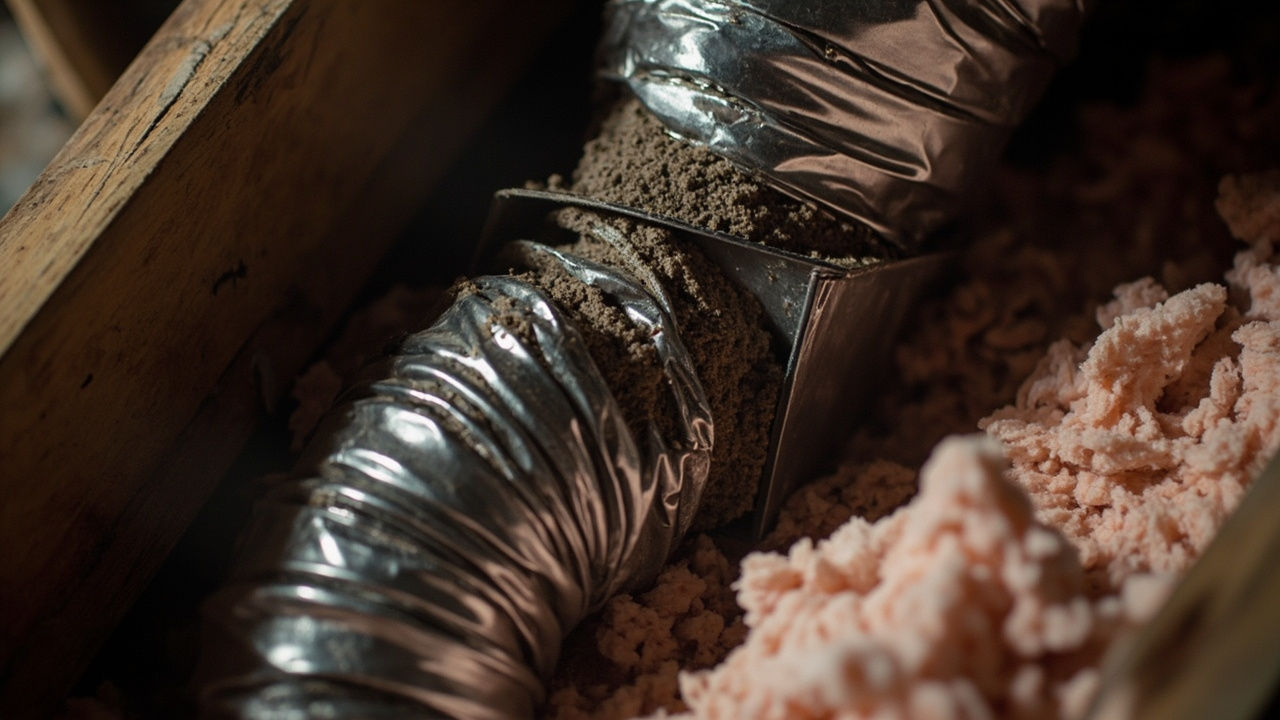
Every cooling call starts at the air handler with a manometer because most no cooling complaints in Bellmead's attic duct housing trace back to airflow rather than charge. That reading is checked against the blower data plate maximum before anything else moves, so a homeowner never pays for refrigerant work meant to fix a duct problem.
Contactor and amp checks
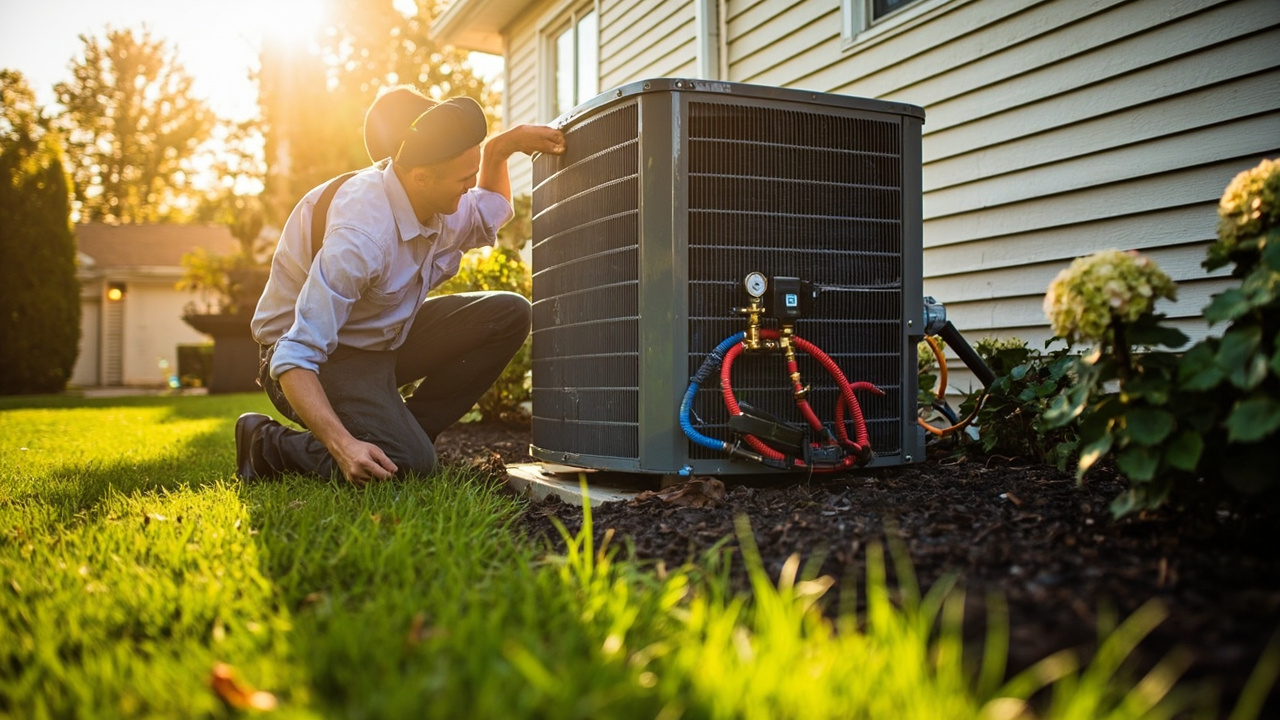
A clamp ammeter goes on the compressor and the outdoor fan before a technician decides a unit is failing, because pitted contactor points from long summer run hours make a healthy compressor look dead on a hot afternoon. Reading amps against the data plate rating settles whether the fix is a small part or the whole outdoor unit before a quote is written.
Working the current code
Every technician works from the locally adopted residential and mechanical code as it applies to equipment changeouts in Bellmead, and that reading is kept current rather than assumed from the last job. On a full system replacement, that code decides where the disconnect sits and how the condensate line has to run before the local inspector ever sees the job.
Familiar with Bellmead streets
Working Old Dallas Highway and out toward Robinson means the crew already knows which subdivisions still run original attic duct and which have already been corrected, so a first visit starts with fewer guesses about what the attic looks like before the hatch even opens. That familiarity shortens the diagnostic stage on a house we have not been inside before, because the housing pattern on that stretch repeats block to block.
HVAC work we handle across Bellmead
Residential work in Bellmead is mostly attic system service, filter and return corrections, and full changeouts on houses still running duct sized for a window unit that left decades ago. Commercial work turns on a different constraint, packaged rooftop units and light commercial split systems where roof access and economizer settings matter more than attic crawl space. Emergency work is timing driven rather than access driven, concentrated in the first sustained hot week of the year and again in late August, when a stalled contactor or an iced coil turns into a same day call rather than a scheduled one. Each tier uses the same static pressure and amp readings, but what those readings are checked against changes with the equipment.
Attic system repair and replacement
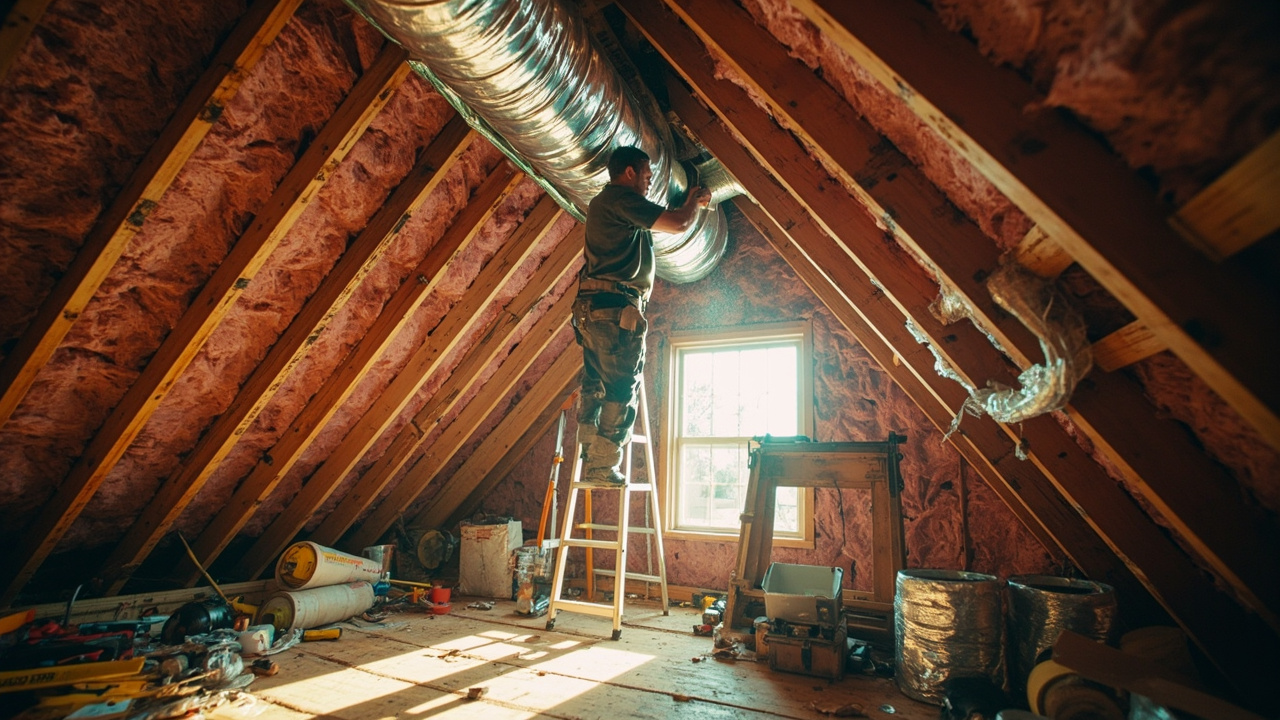
Most residential calls here start with a symptom rather than a request, a system that runs all day without cooling the house, or ice showing up on the line set outside. A typical visit opens with the static pressure check at the air handler, moves to the temperature split across the coil, and only reaches the gauges if airflow and duct are already cleared. On a 1960s ranch still running its original attic duct, we usually find a return sized for a window unit era square footage, half of what the current system needs. An undersized return keeps the coil running cold enough to ice regardless of charge, and fixing the return duct resolves the complaint. Full changeouts follow the same order, sized from a load calculation rather than the equipment being replaced.
Commercial rooftop service
Rooftop units and light commercial splits dominate service calls in Bellmead, and scheduling revolves around occupancy hours rather than weather, since a business cannot go without conditioned space during operating hours the way a house can overnight. A typical scenario is an economizer that has stopped modulating, pulling outside air on days it should not and driving the compressor harder than the load requires. Static pressure and amp readings get logged the same way as on a residential visit, but the documentation covers dated readings and part numbers, which is what a property manager needs on file for a lender or an insurance review. Preventive maintenance agreements catch economizer and contactor wear before either one turns into a downtime call during business hours.

Emergency no cooling and no heat response
Emergency calls cluster when sustained heat arrives and again in late August, when contactors worn thin from a full summer of run hours give out on the hottest afternoon of the stretch. The first move on arrival is shutting the system down at the thermostat and opening the outdoor disconnect if the unit is humming or tripping the breaker, because running a stalled compressor risks the windings before a technician ever gets a gauge on it. From there, the static pressure and amp readings tell us within minutes whether the fix is a capacitor and a contactor or something further into the sealed circuit, so a same day call still gets a real diagnosis rather than a guess and a part swap.
The HVAC problems we see most in Bellmead
Most Bellmead calls trace back to the same attic duct and undersized return pattern, whether the complaint is ice on a line, a stalled outdoor unit, or water under the air handler. A plugged condensate drain is the one worth watching closest, because it does not announce itself the way a dead compressor does. The pan fills quietly, then overflows into the platform or the ceiling below it, and once the ceiling stains the rusted secondary pan is usually already past the point of catching the rest. Call when the pan begins to fill, before water reaches the secondary pan.
The Search / Verify Licenses or Projects publishes the rules that govern work like this in your area.
Hail damage to outdoor coils
Spring storms in Bellmead bring hail that bends condenser fins closed, which raises head pressure and cuts the coil's ability to reject heat. A unit that ran fine before a storm can start short cycling or tripping its high pressure switch within days. Fin condition after a hail event is worth checking even when the system still seems to be cooling.
Attic coils icing over
A dirty filter or a collapsed flexible return starves the evaporator coil of air, and the coil drops below freezing until ice builds along the refrigerant lines. Once that happens the compressor risks pulling liquid refrigerant back on the next cycle. This is the pattern behind most no cooling calls in homes still running on original attic duct.
Ground movement shifting outdoor pads
Expansive clay over limestone under much of Bellmead swells and shrinks with the season, tilting slab mounted equipment pads and stressing the line set and electrical whip running to the outdoor unit. A unit that has visibly settled or tilted is worth a look before a stressed connection becomes a refrigerant leak or a wiring fault.
Contactors worn from long run hours
Long summer run hours pit the contactor points at the outdoor unit until they stop closing cleanly, and a pitted contactor stalls the compressor on exactly the hot afternoon it is needed most. It is a small part with an outsized failure, and it rarely gives warning before it fails.
Find the sign you have, then read across to see whether it can wait.
| Symptom or first sign | What is already happening | What it becomes if ignored | When to call |
|---|---|---|---|
| A plugged condensate drain | The pan overflows into the platform or the ceiling | The ceiling below stains and the rusted secondary pan lets the rest through | Soon, before it spreads past the repair |
| A weak run capacitor | The compressor pulls high amps every time it tries to start | The windings overheat and what was a part becomes a whole condenser | Now, the same day |
| A coated flame sensor | The burner lights and drops out again and again | The board locks out on repeated trials and the house goes cold overnight | At the next visit, while the fix is small |
| A cracked heat exchanger | Combustion gas mixes with the air being blown through the house | Carbon monoxide reaches the living space | Now, the same day |
| A slow refrigerant leak | The system runs longer for less cooling and oil stops circulating properly | The compressor loses lubrication and seizes | This week, while it is still one part |
| A loaded filter | Airflow drops and the coil runs colder than it was designed | The coil ices over and the compressor takes liquid refrigerant back and fails | This week, while it is still one part |
What the first visit looks like
The first stop is the air handler because a manometer reading on total external static pressure tells us within minutes whether the duct and return can move the air the system needs, and that check takes only a few minutes before anything else starts. Before you call, know when the symptom started, whether it is worse in a specific room, and where the attic hatch or the outdoor disconnect is, since attic access decides how quickly the visit can move past the first reading.
Proper sizing follows the Manual J standard from the Air Conditioning Contractors of America, guesswork is how systems end up short-cycling.
Confirmed before we arrive
You get a call confirming the visit once it is booked and a second call when the technician is on the way, so you know roughly when to expect the truck. If a job ahead runs long because a duct correction takes longer than planned, you hear about it before your own window passes rather than after. Attic access matters here more than in most trades, so that second call is also when we confirm the hatch location and whether anyone needs to be home to open it.
What happens at the door
The technician introduces himself and asks to see the thermostat and the area around the air handler before touching anything, then asks you to describe what the system is doing and when it started. Shoes come off or covers go down before stepping onto carpet near the return, and the walkthrough happens before any panel comes off, so you know what is being checked and why before the manometer or the gauges come out of the truck.
Before the truck leaves
Before leaving, the static pressure or temperature split reading that opened the visit gets taken again and shown to you next to the first number, so the change is visible instead of described secondhand. Any panel that came off goes back on, insulation disturbed while reaching the attic duct gets put back in place, and you keep a copy of the written scope with both readings recorded on it before the technician drives off.
From your call to finished work
Most Bellmead jobs run in a single visit once the diagnosis is done, though a duct correction on an older attic system sometimes needs a second trip if parts of the flexible run have to be reordered to match what is up there. The first call settles what the house is doing and when it started, which decides whether the visit goes out same day or gets scheduled for the next opening. From there the process holds the same order every time, airflow checked before charge, a written scope approved before anything changes, and a final reading before the truck leaves.
The call gets logged
We log what the system is doing, when it started, and what changed just before it, along with whether anyone in the house needs the space kept comfortable right away. That information decides whether the visit goes out immediately or waits for the next available opening, and whether the technician brings attic access gear before seeing the house.
Diagnosis and written scope
The static pressure and coil temperature readings decide what needs fixing, and those findings go into a written scope that lists the duct work, the part, or the replacement as separate line items rather than one lump total. Nothing starts until you have seen that scope and approved it, so no surprise line gets added once the panel is already off.
Finished and verified
Work is closed out against the standard the local inspector checks on a changeout, and the same static pressure or amp reading that opened the visit is taken again once the fix is in. That second number goes on the ticket next to the first, so the correction is confirmed rather than assumed, and the written scope you approved becomes the record you keep.
Codes and inspections for HVAC work in Bellmead
The City of Bellmead building inspections office reviews mechanical equipment changeouts, and a full system replacement gets permitted and inspected the same way new construction would, while a like for like repair, swapping a capacitor or a contactor for the same part, usually does not need one. That distinction matters here because it is the reason a same day emergency capacitor swap can happen without paperwork while a full changeout on a two story house waits for an inspection slot.
Inspection on a changeout happens once the equipment is set and running, at the point where the full installation is visible rather than partway through the work. That timing is what lets an inspector confirm the job as built rather than as planned, and it is why finishing a large changeout before dark still has to end with the system running normally when the inspector arrives, not merely wired and waiting.
The materials standard that matters most on a Bellmead job is not the equipment rating, it is the duct itself. Flexible duct dominates the attic runs across most of this housing stock, from the older slab ranch homes to the newer builds going up now, and a run compressed by insulation or stretched too tight loses capacity that no amount of refrigerant makes up. Static pressure against the blower data plate is the number that catches that loss before it shows up as an ice or a comfort complaint, and it gets checked on every visit regardless of what the original call was about.
Filtration adds another variable to the same equation. A higher MERV filter dropped into a one inch slot built for a lower rated filter raises resistance across the whole system, and on a duct that is already marginal, that added resistance is what pushes a borderline house into icing. Where filtration needs to improve, the fix is more filter surface area, a deeper media cabinet rather than a tighter filter in the same slot, because surface area controls the pressure drop rather than the rating alone.
None of this replaces the inspector's judgment on a given job. The permit authority makes the final call on what a specific changeout needs, and the code the county has adopted for mechanical work is what that call gets measured against.
Forums like r/hvacadvice show what homeowners nationwide pay and encounter, useful context for any quote you receive.
Airflow before refrigerant
The hardest part of a Bellmead diagnosis is resisting the gauges until airflow is cleared, because a correctly charged system behind a collapsed return still reads cold on the line set either way. The order here is filter, then return, then static pressure against the blower data plate, then the coil split, and only then superheat and subcooling, because each step rules out a branch before the next one means anything.
What the duct can carry
The biggest cost swing comes down to whether existing ductwork can handle the airflow new equipment requires. Static pressure reading answers that before a quote is written. A house needing an added return or corrected flexible run costs more than one where the duct was sized right initially, and that difference shows up before any equipment is chosen.
How long a correction should take
A duct correction on an attic system takes longer than a straight part swap because the return has to be reopened and resealed rather than patched, and that step cannot be rushed without losing the gain it was meant to produce. Finished work reads within the blower's rated static pressure range at the air handler, checked with the same manometer used to open the visit, verified by measurement rather than estimated from how the house feels afterward.
What the inspector checks
Mechanical equipment changeouts are permitted and inspected locally, and the inspector checks the condensate route and the disconnect location, not the brand or model of equipment installed. That narrow focus is why a technically sound install can still fail inspection over a condensate line with the wrong slope, and why that detail gets checked before the truck ever leaves on a full changeout.
Measured, sized, permitted, verified
Answers for Bellmead Homeowners
Reliability depends more on sizing and installation than on brand name alone. A correctly sized system installed with a matched indoor coil and a duct that can move the air it needs outlasts a premium brand oversized for the house or installed on an undersized return. We size every replacement from a load calculation and a static pressure reading rather than recommending one manufacturer over another.
Service life here depends heavily on run hours rather than age alone, since Bellmead's cooling season keeps equipment working from late April into October most years. A system that gets its filter changed on schedule and its coil kept clean typically outlasts one running the same hours with a starved return or a dirty coil, because restricted airflow shortens compressor life regardless of the unit's age.
A written scope is prepared after diagnostic readings are taken, not before a technician sees the house. Static pressure, coil temperature split, and amp readings decide what the job needs, and that scope lists duct work, parts, or a full replacement as separate items. Nothing starts until you have seen and approved it.
Granite HVAC Waco checks airflow with a manometer before ever touching a gauge, and that order catches duct problems that a charge only diagnosis misses in this city's attic duct housing stock. Technicians here are paired on collapsed duct calls before running one solo, so the diagnosis on an older Bellmead ranch does not stop at the first easy answer. Call (254) 221-8461 and describe what the system is doing.
The technician takes a final measurement before leaving and shows you both the opening and closing numbers together. A static pressure or coil temperature split that moves back into range against the blower data plate is the proof, not a verbal assurance that the system is running fine. That second reading goes on the written scope you keep.
Cost moves with what the duct can carry more than with the equipment chosen, and a lot of this city's older attic duct needs correction alongside any new system. Demand concentrates when temperatures spike and everyone calls simultaneously, making equipment lead times and scheduling difficult. Neither of those factors is something a quote can avoid, only account for.
Cost is not something we quote without seeing the specific job, but the same drivers apply to nearly every Bellmead house, whether the duct can move the air new equipment needs, whether the coil is matched to the outdoor unit, and how much attic or closet access the job requires. A static pressure reading on the first visit turns those drivers into a real number for your house.
Granite HVAC Waco is the company that checks the duct and the return before the outdoor unit, which matters in a city where most housing added central air onto duct that was never sized for it. Technicians are paired on collapsed duct and iced coil calls before working solo, so the diagnosis holds up on older attic systems as well as newer ones. Call (254) 221-8461 to describe what your system is doing.
HVAC Services in The Bellmead Area
Explore our service area and locate Granite HVAC Waco with ease. We're proudly local and serve the surrounding neighborhoods with fast response and honest pricing. Use the map to check our coverage area, or call us and we'll confirm in seconds.
Address:
Granite HVAC Waco, Bellmead, TX 76705
Changing filters, keeping the outdoor unit clear, and rinsing the condenser fins with the power off at the disconnect are genuinely homeowner jobs. The boundary sits at refrigerant, anything behind the blower door, and anything inside an electrical panel, because those carry pressure and voltage that do real harm. If a visit turns up work that belongs to another trade entirely, we say so on the spot and tell you who handles it.
Last reviewed September 2026 by Dale Whitfield, Service manager.