


What attic ducted construction does to comfort in Lorena
Lorena's housing splits into two behaviors depending on when it went up. The oldest stock had central heating and cooling fitted in years after the houses were built, so returns are small and branch duct got squeezed into whatever closet or soffit had room. Everything built from the 1980s through the 2000s did it differently, placing equipment on an attic platform with flexible duct running the whole house, and that layout is behind most of the no cooling calls that land every summer. Recent platting on the east side keeps the same attic arrangement inside a tighter, larger envelope, which changes what the equipment has to remove even when the ductwork on paper looks identical to the older subdivisions.
The cooling season here runs long, and warm nights give an attic system little chance to recover before the next afternoon load hits it. A flexible run that has sagged, kinked, or been crushed under attic storage does not present as a dead system. It presents as a house that runs constantly and never gets there, because the air handler is moving less air than the coil was designed to handle. Outside the house, Blackland Prairie clay complicates things further. It takes water in slowly, cracks open through a dry summer, and swells again once rain comes, so a condenser pad set on that ground rarely stays level for a full year, and the strain shows up at the line set where it leaves the wall. Hail off the same thunderstorms that bring the spring rainfall maximum flattens condenser fins, and that damage often does not turn into high head pressure until weeks later.
Rosenthal Estates, platted through the city north of town in the 2020s, is current construction with current equipment, so the work there tends to be commissioning and airflow verification rather than repair on tired duct. North Lorena, built out along the interstate frontage, mixes houses with light commercial and mixed use construction, so a call there is as likely to involve a small packaged unit as a residential split system, and the two get judged against different readings on the same visit.
How we work on Lorena's attic systems
Every finished job gets a second measurement before the visit closes, not a visual check. Total external static pressure is read again with the filter back in place, and that number gets shown to the homeowner against the blower data plate rating rather than described in general terms. Scope on a repair or a changeout is set by that reading and by a load calculation performed with local conditions and building data, because a system that looks fine on the thermostat can still be moving far less air than the coil needs.
A newer technician works alongside a more experienced one on attic and crawlspace work until the readings they log match on their own, and an unusual finding, a leak that has been chased before without success, a static pressure number that will not settle, gets a second set of eyes before anything is proposed. On outdoor equipment, the ground itself changes the job. Blackland Prairie clay shrinks through a dry summer and swells again after rain, so a pad that was level in June can be tilted by August, and a disconnect and line set here get slack built in rather than run tight, because the ground under them is going to move again.
When a visit turns up something outside the original call, a return that was never sized for the load, a drain that has been rerouted around a failed float switch, that finding gets written down and shown before any additional work starts. Nothing gets added to a job on the strength of a guess.
Airflow checked first
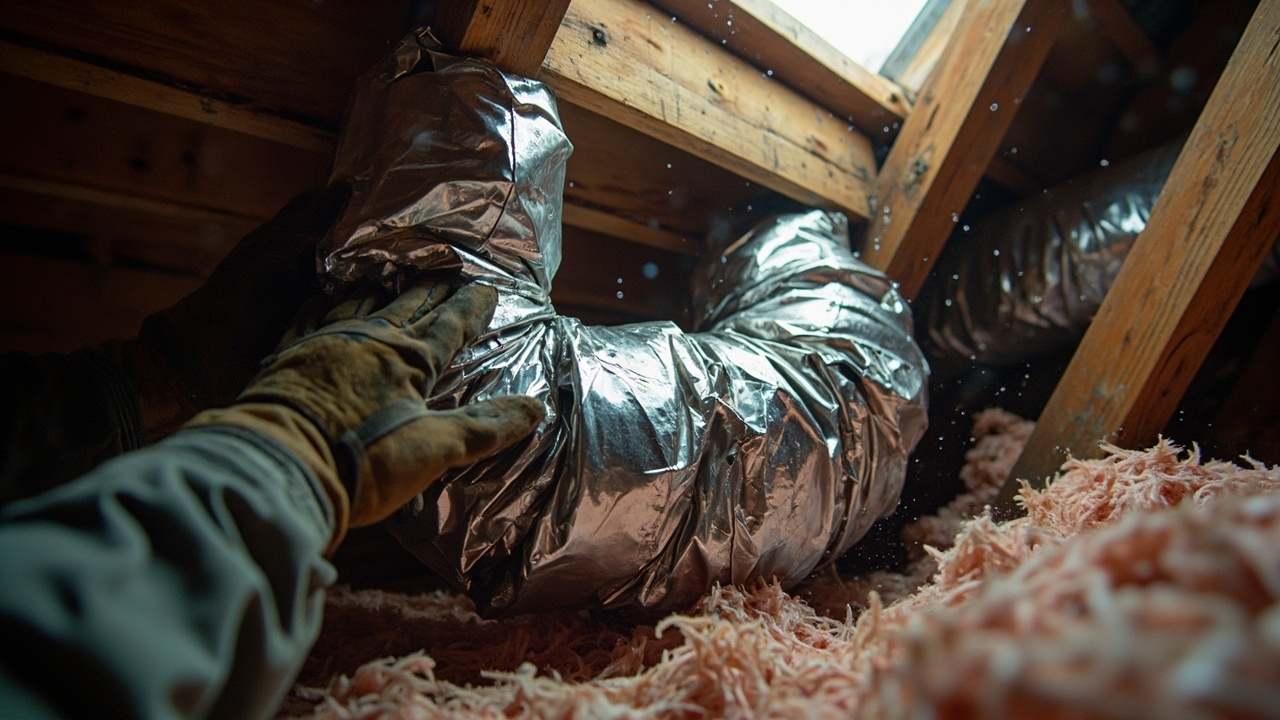
A charge reading taken before airflow is confirmed is a guess, so every visit starts with the filter, the coil and the duct path. On the attic mounted systems common here, a collapsed flexible run or a matted filter explains far more no cooling calls than a weak compressor does, and skipping that step means chasing the wrong problem for hours.
Static pressure measured
A manometer reads total external static pressure across the air handler with the filter in place, and that number is checked against the blower data plate rather than guessed at. A reading above the rated maximum means the duct, the filter or a collapsed flex run is choking the system, and no amount of refrigerant work changes that outcome.
Current mechanical code
Every technician works from the mechanical code as it applies to work in this city, and that code gets checked against current adopted language rather than assumed from memory. On a full changeout, that governs how the equipment, the venting and the connections are put together, and it decides what an inspector looks at once the rough in stage is reached.
Familiar with Lorena's history
The oldest houses near the railroad had central systems added long after they were framed, and everything platted since the 1980s put the air handler in a vented attic instead. Knowing which era a house belongs to before opening the access panel means the visit starts on the right assumption instead of the wrong one.
HVAC work we handle across Lorena
Residential work in Lorena is mostly airflow and charge on attic mounted systems, plus the seasonal maintenance that keeps a coil and a condensate drain from becoming a bigger call later. Commercial work turns on a different constraint, since the mixed use stretch along the interstate frontage carries packaged rooftop equipment as often as a residential split system, and documentation for a lease or an inspection matters as much as the repair itself.
Emergency work is defined by timing rather than by the fault itself. The first sustained heat of the year and the first hard freeze both produce a burst of calls on the same afternoon or the same night, and triage runs on what the caller reports rather than on a fixed schedule.
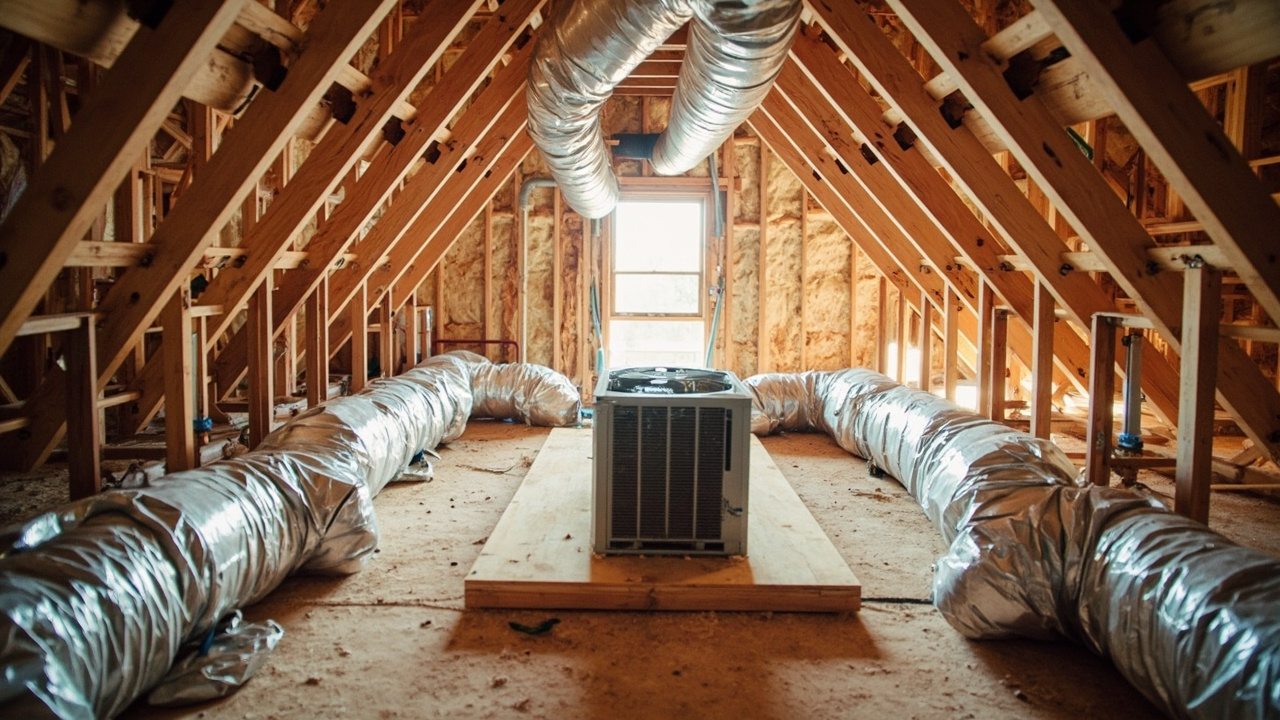
Home cooling and heating repair
Residential work here covers repair and maintenance on furnaces, air conditioners and heat pumps, full system replacement, duct repair and sealing, thermostat and zoning work, and indoor air quality equipment for houses running attic mounted systems. A typical call starts with a house that never quite cools through an afternoon, and a check of the filter, the coil and the flexible duct usually settles the question before a gauge ever goes on the line set. On a slab on grade house from the 1980s or 1990s, that check often finds a return sized for a smaller conditioned volume than the one it now serves, which is why one register always runs weaker than the rest of the house.
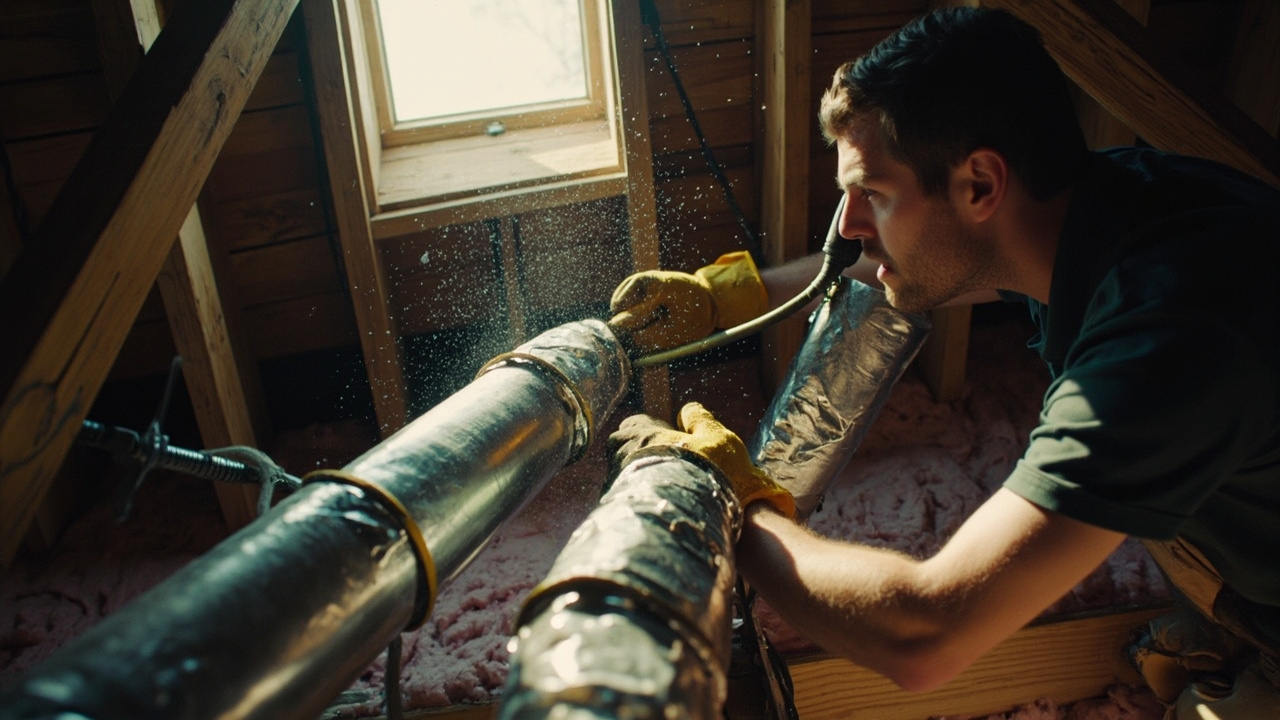
Commercial rooftop and light commercial systems
Commercial work covers packaged rooftop units on a curb, light commercial split systems, economizer and control work, exhaust and makeup air, and scheduled preventive maintenance agreements. Scheduling runs around occupied hours rather than convenience, since a rooftop unit down during business hours becomes a lease and occupancy problem before it becomes a comfort complaint. A typical visit checks total external static pressure the same way a residential call does, because a rooftop economizer choked by a dirty filter behaves the same as an attic air handler starved of return air. The documentation from that visit covers combustion readings, static pressure and refrigerant charge together, which is what a property manager or an insurer asks to see before approving a repair over a full unit replacement.
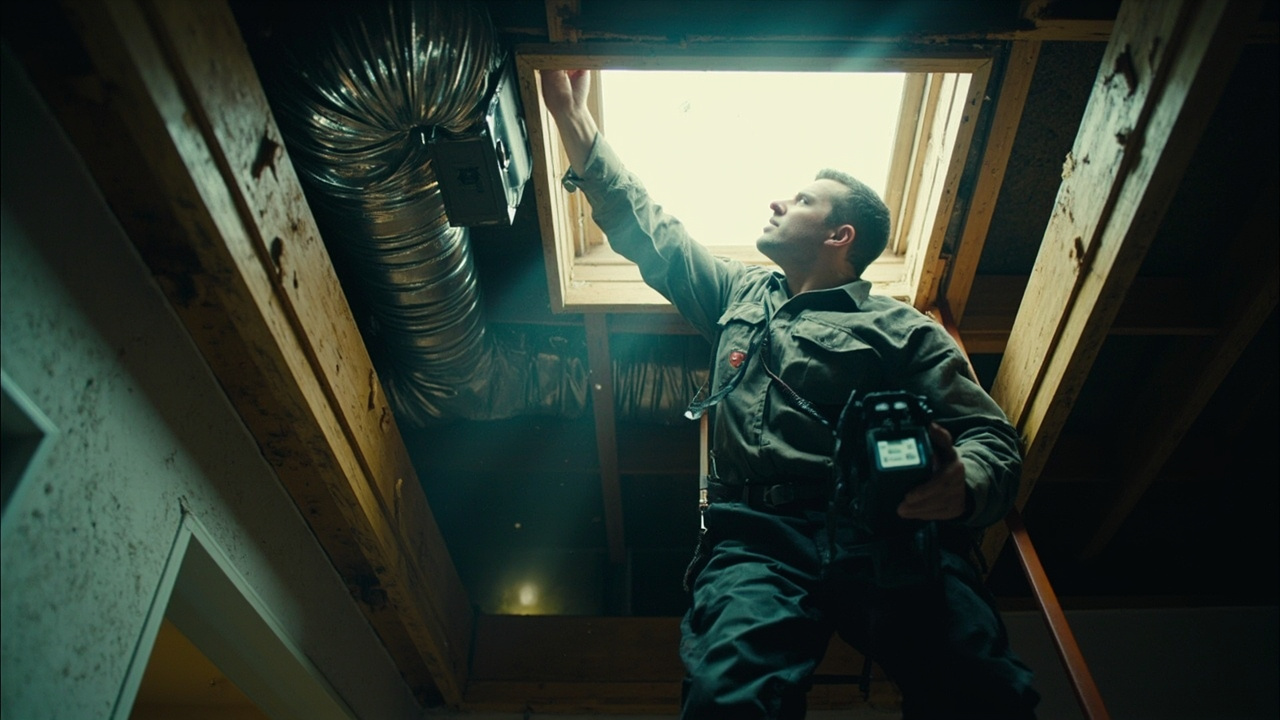
Same day no cooling and no heat calls
Emergency work covers a system with no cooling, no heat, a frozen coil, water coming from the air handler, a breaker that keeps tripping, and response to a carbon monoxide alarm once the building has been cleared. The first move on arrival is shutting the system off at the thermostat and the breaker when water is coming from the air handler, since that stops the coil from icing further while the drain gets checked. On a tripped breaker at the outdoor unit, the disconnect gets opened before anything is reset a second time. From there a static pressure and amperage check separates a failed part behind the disconnect from a compressor that has already gone.
The HVAC problems we see most in Lorena
Nearly everything on this list starts with air. Most of the city's housing since the 1980s puts the air handler on an attic platform with flexible duct feeding every room, so a sagging or crushed return shows up first as a house that runs all day and never gets comfortable, long before it shows up as a broken part.
Left alone, that pattern has one direction. A loaded filter drops airflow across the coil, the coil runs colder than it was built to run, ice forms on the coil face, and the compressor eventually takes liquid refrigerant back on the return stroke and fails. That is the point where a filter change stops being enough and a call is worth making before the compressor is the thing being replaced.
Need something specific? Our hvac tune-up & maintenance page breaks down exactly how we handle it in Lorena.
Nights without system rest
The cooling season here runs long with warm nights, so an attic system gets little chance to recover before the next afternoon's load hits it. A system that was keeping up in June can fall behind by August without any part failing, because the duct was already moving less air than the coil needed and the margin finally ran out.
Attic duct fitted after the fact
Houses built before central air arrived have small returns and branch duct squeezed through closets and soffits that were never designed to carry it. That undersizing does not change, so one room stays hot no matter how the rest of the house reads on the thermostat, and no part replacement corrects it.
Clay movement under structures
Blackland Prairie clay shrinks through dry spells and expands after rainfall, walking a condenser pad out of level over months. That movement strains the line set and the disconnect where they leave the wall, and a pad that looked fine at installation can be tilted enough later to matter.
Filter change overdue
A filter left in past its interval loads with dust until airflow across the coil drops. The coil runs colder, ice builds on the face, and the compressor can take liquid refrigerant back on its next cycle. What starts as a five minute filter swap turns into a failed compressor if it sits through a full hot stretch.
Find the sign you have, then read across to see whether it can wait.
| Symptom or first sign | What is already happening | What it becomes if ignored | When to call |
|---|---|---|---|
| A loaded filter | Airflow drops and the coil runs colder than it was designed | The coil ices over and the compressor takes liquid refrigerant back and fails | This week, while it is still one part |
| A weak run capacitor | The compressor pulls high amps every time it tries to start | The windings overheat and what was a part becomes a whole condenser | Now, the same day |
| A slow refrigerant leak | The system runs longer for less cooling and oil stops circulating properly | The compressor loses lubrication and seizes | This week, while it is still one part |
| A plugged condensate drain | The pan overflows into the platform or the ceiling | The ceiling below stains and the rusted secondary pan lets the rest through | Soon, before it spreads past the repair |
What the first visit looks like
The first stop on any attic mounted system is the filter, the coil and the return path, because that is what usually explains a house that will not cool. That check runs alongside a static pressure reading taken with the filter back in, which decides whether the rest of the visit is about the duct or about the equipment. Before calling, know when the problem started, what changed right before it did, roughly how old the system is, and where the breaker or the outdoor disconnect is located.
One of our most-requested services here is after-hours hvac service, see that page for pricing and process.
Staying informed before arrival
You get a confirmation when the visit is set and a second contact on the day itself before the technician is on the way. If a job ahead runs long because of an unusual finding, you are told rather than left checking the clock, and the window is adjusted rather than silently passed.
What happens at the door
The technician introduces himself, then asks you to show him the equipment and describe what it is doing in your own words before anything is opened up. Attics and crawlspaces get protected with a drop cloth at the access point, since attic mounted equipment here means going up before going anywhere else.
What happens before the truck leaves
Before leaving, the static pressure reading is taken again and shown to you against the blower data plate, any access panels or attic flooring disturbed during the visit are put back, and you keep a written record of what was measured and what was done, so the next visit starts from a known point rather than from scratch.
From your call to finished work
Most jobs here run two visits from the first call to finished work. The first settles what the system is doing and whether the fault sits in the duct, the filter and return path, or the sealed circuit, and a static pressure reading taken that same visit usually decides which. Whether a second visit happens the same week depends on whether the fix is a part on hand or a duct correction that needs city permit review first.
A repair on an existing part is often finished on the first visit once the reading confirms it. A full changeout or a duct rebuild waits on the written scope being approved and, where it applies, on the mechanical rough in inspection being scheduled before the attic platform gets closed back up.
The call is logged
We log what the system is doing, when it started, and what changed just before it did, along with the system's rough age if you know it. That determines whether the visit is routed as a same day check or scheduled ahead, and it tells the technician what to bring before he is on site.
Diagnosis and a written scope
The static pressure and airflow readings turn into a written scope listing the duct correction, the part, or the full changeout separately, along with whether the work needs permit review through the city's permitting office and a mechanical rough in inspection. Nothing starts until you approve that scope.
Work finished and verified
The work is completed to the adopted mechanical standard for this city, then the static pressure and, on a refrigerant job, the charge are rechecked and shown to you before signoff. What was measured and what was replaced both go into the record you keep.
Codes and inspections for HVAC work in Lorena
Work in Lorena is reviewed under the International Mechanical Code as it applies to equipment beyond regular maintenance, and the City of Lorena permitting office at Lorena City Hall is who that review runs through. A full replacement scope, a new air handler, a new outdoor unit, duct rebuilt beyond a like for like section, generally needs a permit, and a like for like repair on an existing part usually does not, though the final call on any specific job belongs to that office rather than to the technician standing in the attic.
Compliance on this trade is not a paperwork exercise separate from the diagnostic work, it runs through the same readings. A static pressure number taken against the blower data plate tells a technician whether the duct can carry what new equipment is about to ask of it, and that same number is part of what an inspection at the mechanical rough in stage is checking for on a changeout. Combustion work on a gas furnace ends in a measurement rather than a visual check, carbon monoxide read in the flue once the burner has settled, and any reading of carbon monoxide in the living space ends the visit with the equipment shut off rather than patched and left running.
Materials matter as much as the paperwork in this housing stock. Because most systems here run duct through a vented attic, the duct material and its sealing at the boots and the plenum connections carry more weight on a first visit than the brand stamped on the outdoor unit does. A line set replaced during a refrigerant change gets sized and insulated to the equipment manufacturer's chart rather than reused out of convenience, and a filter drier gets changed any time the sealed circuit has been opened, regardless of how small the repair looked going in. None of that is optional on a scope that includes a permit, because it is exactly what the mechanical rough in inspection is there to confirm before the ceiling or the attic insulation goes back over it.
Correction on a job like a collapsed flexible return or an undersized branch run is not treated as a separate project bolted onto a repair. It is written into the same scope, priced against the same static pressure reading that flagged it, and inspected at the same rough in stage as the rest of the work, so a homeowner is not paying twice for two visits that could have been one.
From routine maintenance to emergency commercial hvac repair, the same local crew handles every call.
Reading airflow before charge
The hardest part of this work in Lorena's attic mounted housing stock is resisting the pull to put gauges on the line set first. Static pressure across the air handler must be verified with the filter installed before refrigerant readings are trusted, because ductwork collapse or filter blockage produces the same warm air complaint as a genuine charge problem, and only the pressure measurement separates them.
What the duct can carry
The biggest cost fork on a Lorena job is whether the existing duct and flexible runs can move the air new equipment needs, and the static pressure reading answers that before a quote is written. A house where the duct checks out moves toward a straightforward equipment swap. A house with undersized or crushed flexible runs moves toward duct correction priced alongside the equipment, and timing shifts things too, since the first hot stretch and the first hard freeze are the days everyone calls at once.
How long a correct job takes
A duct correction on an attic mounted system takes longer than swapping a part, because a collapsed flexible run gets replaced and resealed at the boot and plenum rather than patched over quickly. Rushing that step leaves the same static pressure problem behind under new equipment. Finished work reads at or under the static pressure rated on the blower data plate, checked with the filter back in place before the technician leaves.
Permit timing on a changeout
A full changeout or a duct rebuild goes through permit review before work starts, and the mechanical rough in inspection happens while the attic platform and duct connections are still open to view. A like for like part swap on an existing furnace or condenser usually does not trigger that review, though the office handling it makes the final call on any specific job. Scheduling that inspection before insulation goes back over the platform keeps a job from being reopened later.
Measured, permitted, inspected, verified
Answers for Lorena Homeowners
The best fit depends on staging and humidity removal across multiple factors. In Lorena's long cooling season with warm nights, a two stage or variable capacity condenser holds a lower speed longer and pulls more moisture out of the air than a single stage unit, and a dual fuel heat pump with a gas furnace backup handles the short, sharp cold front swings without leaning on strip heat alone through the whole event.
That question is a landlord tenant law matter outside what we can answer on a service call. What we can tell you is that a system reported as not cooling gets the same filter, coil and static pressure check regardless of who owns the property, and a written scope naming the fault is something a tenant or a landlord can bring to that conversation.
Ice on the line set, a musty smell at the registers, and a system that runs constantly all warrant a call. A loaded filter drops airflow until the coil ices over, and once that happens liquid refrigerant returns to the compressor where it causes mechanical damage, so the point to call is before ice appears on the coil face, not after it has already built up.
Payment details get confirmed on the call itself rather than assumed ahead of time. We go over what applies to your job when we walk through the written scope, since a repair on an existing part and a full changeout with a permit are priced and handled differently, and that scope is what the payment conversation is built around.
The static pressure and charge readings taken at handover confirm it. Before the technician leaves, total external static pressure is measured again with the filter installed and compared to the manufacturer's rating on the blower nameplate, and on a refrigerant job the charge is rechecked too, so what proves the job is correct is a number you saw rather than a promise made on the way out the door.
A written scope follows the diagnostic visit, listing each item separately before any work starts. Static pressure, the filter and coil condition, and a load calculation on a replacement decide what goes into that scope, and nothing gets added afterward on the strength of a guess, since the same reading that identified the fault is the one that prices the job.
A technician trained on attic and crawlspace readings arrives, working from the same measurement standard on every call. Newer technicians work alongside someone more experienced on this housing stock until their static pressure and load readings match consistently, and an unusual finding on site gets a second opinion before anything is proposed, so the sequence at the door stays the same regardless of who it is.
Some of it, yes. Filters and condenser fin rinsing are tasks homeowners can handle. The boundary is refrigerant work, sealed components, electrical connections, and combustion appliances. Those require specialized equipment like manifold gauges and manometers, involve pressure systems or line voltage, and demand knowledge of gas safety that typical homeowners lack.
HVAC Services in The Lorena Area
Explore our service area and locate Granite HVAC Waco with ease. We're proudly local and serve the surrounding neighborhoods with fast response and honest pricing. Use the map to check our coverage area, or call us and we'll confirm in seconds.
Address:
Granite HVAC Waco, Lorena, TX 76655
Changing a filter on schedule, keeping the area around the outdoor unit clear, rinsing condenser fins with a garden hose with the power off, and pouring water down the condensate line are homeowner jobs. That stops at refrigerant, anything behind the blower door, the electrical panel, or a gas burner and flue, because those carry pressure, line voltage, or combustion gas. If a visit turns up work past that line, we say so and tell you what it involves before anything continues.
Last reviewed September 2026 by Dale Whitfield, Service manager.