





What weak airflow and dusty registers usually mean
The complaint starts small. A room that used to cool fine now feels sluggish, dust settles on furniture faster than it used to, or the air coming out of the vents feels thinner than it did last season. None of that tells you whether the duct is the problem, the filter is the problem, or the coil behind it is starting to ice.
Debris on the interior surface of a duct does the same thing a loaded filter does, it narrows the path air has to move through. The blower has to push harder to move the same volume, and past a point it cannot make up the difference. Supply registers lose pressure first, usually the ones farthest from the air handler, and the return side pulls harder against whatever is restricting it. This is a mechanical resistance problem, not a smell or an allergy problem, and it shows up as a number on a manometer before it shows up as a complaint.
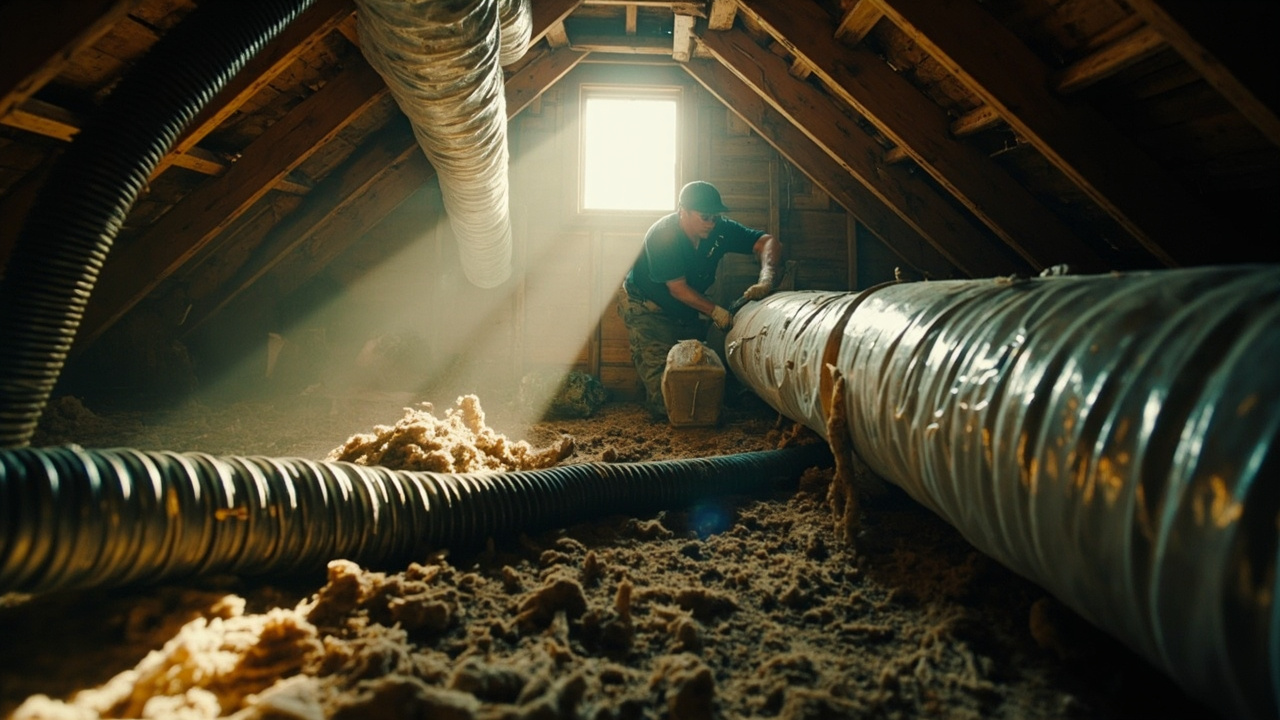
Waco's cooling season runs long, often from April into October, and the equipment behind that runs for hours at a stretch during July and August. Cedar pollen in winter and oak pollen in spring load a filter fast, and a filter that goes unchanged during a heavy pollen stretch pushes the same restriction downstream into the duct and coil. Attic duct systems common in this area see summer heat all day, which ages duct board and flex duct seams and gives debris more surface to collect on. Particles accumulate where seams connect and where flex duct compresses under its own weight, creating blockages that shrink the available air path month after month.
Left alone, the sequence is predictable. A restricted duct or a loaded filter drops airflow across the coil, the coil runs colder than it was built to run, ice starts forming on the coil surface, and once that happens the compressor can take liquid refrigerant back on the return stroke instead of vapor, which is a failure a filter change will not fix afterward. If the air feels weak and the outdoor unit is running long stretches without catching up, that is the point to get a static pressure reading before the coil ices, not after. The reading tells you whether you are looking at a filter problem that a replacement solves, a duct problem that needs cleaning, or a coil problem that means the ice has already formed and damage may have started.
More detail on ac blowing warm air is on its own page.

Find the sign you have, then read across to see whether it can wait.
| Symptom or first sign | What is already happening | What it becomes if ignored | When to call |
|---|---|---|---|
| A loaded filter | Airflow drops and the coil runs colder than it was designed | The coil ices over and the compressor takes liquid refrigerant back and fails | This week, while it is still one part |
| A weak run capacitor | The compressor pulls high amps every time it tries to start | The windings overheat and what was a part becomes a whole condenser | Now, the same day |
| A slow refrigerant leak | The system runs longer for less cooling and oil stops circulating properly | The compressor loses lubrication and seizes | This week, while it is still one part |
The order we check before recommending cleaning
The visit starts at the filter and the return grille, examining both before moving downstream. A technician pulls the filter, checks it against light, and looks at the coil through the access panel before touching anything further. That order rules out the two things that mimic a dirty duct before the manometer ever goes on, because a loaded filter or a fouled coil produces the same weak airflow complaint a dirty duct does.
The manometer goes on the air handler next, reading total external static pressure against the number stamped on the blower data plate. A reading at or under that number, with the filter and coil already clear, means the duct interior is the remaining variable and a camera or visual check through the access points determines whether debris is restricting the run. A reading above the plate maximum, even with a clean filter and coil, points at a duct that is undersized, crushed, or collapsed somewhere along the trunk, which is a repair question rather than a cleaning question, and the two get separated before any quote gets written.
Filtration choice shapes how often this whole chain gets triggered again after the visit. A high MERV filter dropped into a one inch slot built for a lower rated filter adds resistance the blower has to overcome on every cycle, and that added resistance shows up on the same manometer reading months later as a static pressure climb that looks like a new duct problem. A deeper media cabinet gives the filter more surface area to catch the same particulate load without adding that resistance. This difference in how the system performs is what a homeowner comparing filter options is weighing, whether or not they know to call it static pressure. The choice between a thin, high MERV filter and a deeper cabinet with lower rated media determines the maintenance interval and the long term cost of keeping the system balanced.
The system's ability to move air also depends on duct condition downstream of the blower. Leaks along sealed seams allow conditioned air to escape into the attic or crawl space, reducing the volume that reaches the occupied rooms and forcing the blower to work harder to maintain the target airflow. Sealing visible leaks with mastic or mesh tape restores that efficiency without replacing duct runs.
If this sounds close but not quite your situation, duct sealing & repair may be the better starting point.
Permit and inspection questions? Commercial Construction Permits is the office we coordinate with on every permitted Waco job.
Narrow this to two options before calling, then ask which one suits the house.
| Option | The numbers a buyer weighs | Best suited to |
|---|---|---|
| Filtration choice | Compared on MERV rating against pressure drop | Allergy households with duct that can take it |
| Ducted system against ductless mini split | Mini splits are rated per indoor head | Additions and rooms the ducts never reached |
| Heat pump against gas furnace | A heat pump is rated on HSPF2 and its output falls as the outdoor temperature drops | Climates where the winter low decides the choice |
How a duct cleaning visit runs
Call and first reading
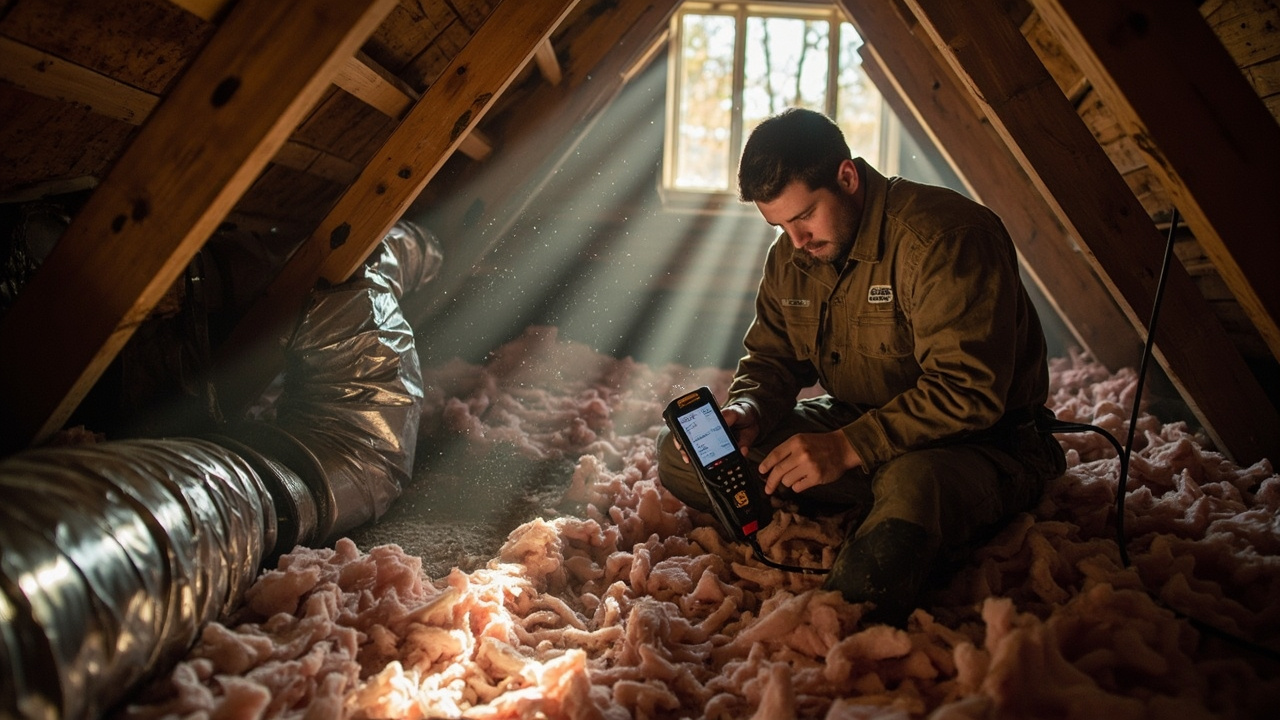
On the phone we ask what the airflow feels like, which rooms are worst, and when the filter last changed, because those answers point at whether this is a duct question or a filter and coil question before anyone drives out. On site the filter comes out first, the coil gets a visual check through the access panel, and the return path is checked for blockage. Only then does the manometer go on the air handler to read total external static pressure against the blower data plate.
Containment and cleaning
Once the static pressure reading identifies a duct obstruction rather than filter or coil restriction, the access point gets sealed to the vacuum hose before any agitation starts inside the run. Debris gets loosened from the duct interior and pulled directly into the vacuum rather than pushed further down the line. If a separated joint or a section of collapsed flex duct turns up behind a register, we stop and show you before continuing, because that is a repair decision rather than a cleaning one.
Second reading and handover
Before we leave, the manometer goes back on the air handler and the static pressure reading has to sit at or under the blower data plate maximum, matching what a healthy system should show once the restriction is cleared. We walk you through what the access points look like closed back up and what the before and after readings showed. You keep both numbers, so the next filter change or service call has a real baseline to compare against.
Why duct cleaning gets scoped as a custom job
A crew that does not work this market day to day tends to quote duct cleaning off a look through an access panel, without checking whether the blower is already fighting a static pressure reading above what the equipment can carry. That order matters here because a cooling season running for months at a time will push a marginal system hard enough that the static pressure reading looks like a duct problem even when the true restriction sits at the filter or the coil behind it. Cleaning the duct interior in that case leaves the reading unchanged, and the homeowner ends up calling back about the same weak airflow within weeks.
Expansive clay soil under much of this area shifts with rainfall and drought, and that movement pulls at rigid duct connections and flexible sections wherever a slab or a pier and beam floor settles unevenly. A crew unfamiliar with how that motion opens seams over the years will clean the interior of a duct run and miss that the airflow loss is coming from a separated joint upstream rather than from settled debris. Reading static pressure at more than one point along the trunk, instead of only at the air handler, catches that kind of separation before a cleaning quote is written on the wrong assumption.
Attic duct systems common in houses built since the 1970s change how a cleaning visit gets sequenced. Attic temperatures during the cooling season turn a straightforward access point into a job that has to account for heat exposure for whoever is working up there, and a crew rushing that step tends to loosen containment at the access hole, letting debris drop into the space below instead of into the vacuum. Demand across the surrounding towns follows the same seasonal pattern, so waiting until a system has struggled for weeks before checking static pressure gives a worse baseline than catching it at the first sign of weak airflow.
See indoor air quality services for how the related work is scoped and priced.
What working with us on this looks like
How the visit gets scheduled
You call and describe the weak airflow or the dust, and we ask when it started and when the filter was last changed. That tells us whether the static pressure check should happen this week or fit on a scheduled visit. You get a window rather than a guess, and if the job ahead of yours runs long because a coil turned out worse than expected, we call before the window closes so you are not waiting at home for nothing.
Keeping your home contained
Before any access panel comes off, the work area around it gets covered, and the vacuum hose seals directly against the duct opening rather than pulling loose air from the room. That seal is what keeps debris moving into the vacuum instead of settling on the floor below the attic hatch or the closet access point. Registers being worked on stay covered until the run is finished, and the space gets a final wipe down before we leave.
What decides the scope
The static pressure reading decides whether cleaning is the right scope at all, and if it points at the duct rather than the filter or coil, the number of supply and return runs and how hard the attic or crawlspace access is to reach are what move the job up or down from there. A duct system that already struggles to move air needs that fixed before cleaning does much good. You see the reading and the scope it points to before anything on the duct gets touched.
How we check field skill
A new technician runs a number of duct and airflow visits alongside a lead before working a static pressure check alone, and the lead signs off on reading the manometer correctly against the blower data plate rather than guessing at a number. On any job where the reading comes back ambiguous, or where a coil looks worse than the airflow complaint suggested, a second technician looks at it before a scope gets written and handed over.
You Have Questions,
We Have Answers
Cost depends on how many supply and return runs need cleaning and what the static pressure reading shows first. A system where the filter or coil is the real restriction does not need duct cleaning at all, which changes the job before price ever comes up. Access difficulty, such as a tight attic run versus an open crawlspace, and how many registers are involved move the scope further once the reading confirms the duct is the actual restriction.
It is worth it when a static pressure reading and a visual or camera inspection both point to blocked duct interior rather than a loaded filter or an iced coil. Cleaning a duct that was never the restriction leaves the airflow complaint unchanged and the money spent on nothing measurable. The reading taken before the work and the one taken after are what tell you whether the cleaning changed anything at all.
The shoulder weeks in spring and fall offer the most reliable static pressure baseline, taken before pollen accumulation clogs the filter and before summer heat stresses equipment. A reading captured before peak cooling load ensures an after measurement reflects genuine change rather than strain from an already taxed system. Checking mid summer often means the coil has already begun icing from the same restriction.
Cleaning a duct without a sealed vacuum connection at the access point can push loosened debris further into the system instead of removing it. Paying for cleaning when the static pressure reading points at a loaded filter or a fouled coil instead of the duct wastes the visit on the wrong component. A duct in sound condition that gets agitated unnecessarily can also loosen tape at seams that were holding, which adds a leak that was not there before.
Why Waco's attics and seasons decide when duct cleaning helps
Housing stock across Waco built from the 1970s forward puts the air handler and the ductwork in the attic, where summer heat sits for months at a time. That heat ages duct board seams and flex duct tape faster than it would in a conditioned space, and every seam that loosens is a place debris can settle or air can leak before it reaches a register. Cedar pollen through the winter and oak pollen in spring load filters quickly, and a filter that goes past its interval pushes the same fine particulate further into the duct and onto the coil behind it. A house running its system nearly continuously through a long cooling season gives debris more opportunities to accumulate than a house in a milder climate would see in the same stretch of months.
Verifying the work matters more than the cleaning itself. A static pressure reading taken before the season's peak load hits gives a baseline that means something, because a system tested in April behaves differently than the same system tested during a July heat run. Electric delivery through Oncor reflects how hard a system is working, so a duct restriction that goes uncorrected before peak season shows up later as longer run times rather than as a cleaner explanation. Scheduling the check during the shoulder weeks, before pollen loads a fresh filter and before outdoor temperatures push equipment to its limit, is what makes the after reading a fair comparison to the one taken before. The difference between readings, measured in inches of water column, tells whether airflow improved or stayed blocked.
HVAC Services in The Waco Area
Explore our service area and locate Granite HVAC Waco with ease. We're proudly local and serve the surrounding neighborhoods with fast response and honest pricing. Use the map to check our coverage area, or call us and we'll confirm in seconds.
Address:
Granite HVAC Waco, Waco, TX, 76701
Additional Services We Offer
Changing a filter on schedule and keeping the outdoor unit clear are homeowner jobs, and you do not need us for either one. Where it stops is the duct interior itself and anything behind the blower door, because agitating debris loose without proper containment and vacuum pressure just moves it further into the system. If the static pressure reading points at a coil or a compressor issue instead of the duct, we tell you on the first visit rather than clean anyway.
Before you call, know when the weak airflow or dust started and whether it is worse in specific rooms. Check when the filter was last changed and have its size handy if you know it. If you can, note whether the outdoor unit has been running longer than usual. Those details help us tell you whether a static pressure check should happen this week.
Last reviewed September 2026 by Dale Whitfield, Service manager.