





Why a fixed number does not answer this question
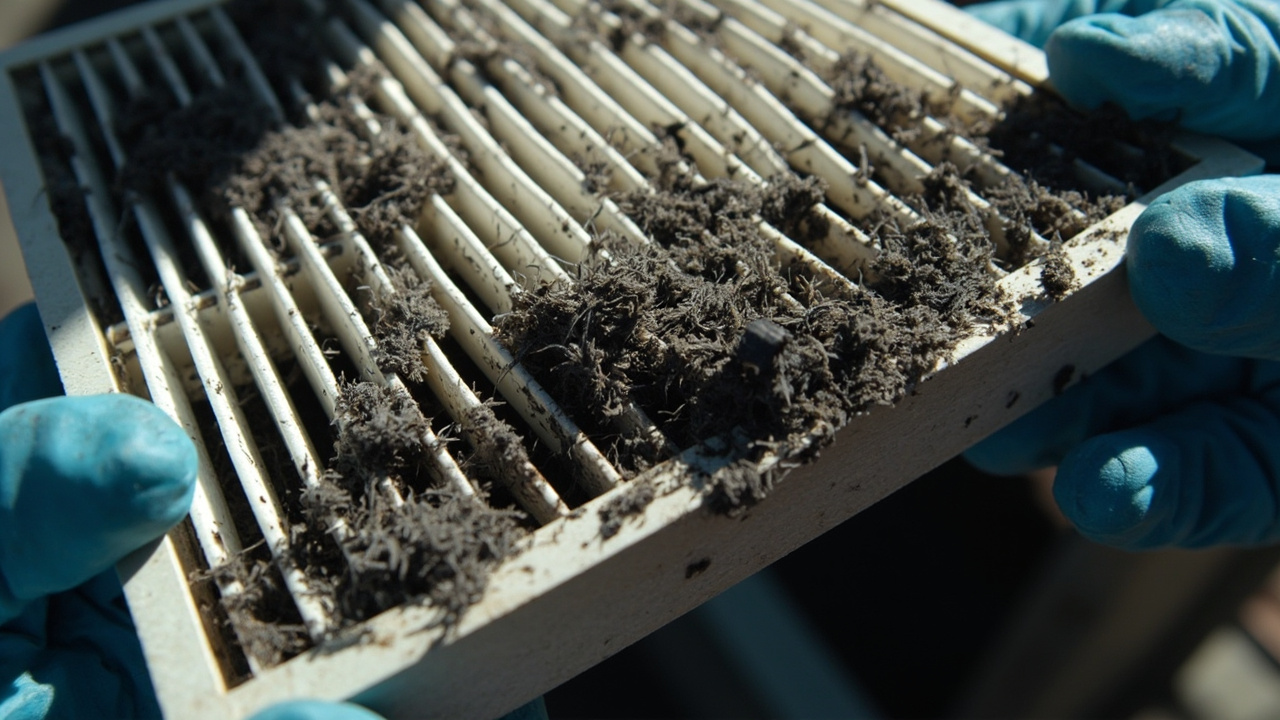
Ask how long an HVAC system lasts and the honest answer is that two units installed the same year can end up with very different years left in them, so the number alone tells you little. One house treats filter changes and coil cleaning as routine, while the next lets a filter go dark and matted until the coil behind it is starved for air. A unit that looks tired at twelve years old is not proof against one still running clean at eighteen. The age printed on the equipment tag tells you when the compressor left the factory, not what condition it is in today.
What shortens a system's working life is almost always airflow, refrigerant charge, or a growing leak that goes unaddressed. A restricted filter or a coil coated in dust chokes the volume of air moving across the evaporator, so the coil runs colder than it was built to and eventually ices. Refrigerant is not consumed in normal operation, so a system that keeps calling for a top off has a leak somewhere in the line set or coil, and every pound lost past that point makes the compressor work longer for less heat transfer. The damage accelerates as charge drops because the remaining refrigerant must carry all the oil circulation, and that concentration wears the internal surfaces faster.
A slow leak rarely announces itself all at once. The house takes longer to cool, then longer again, while the compressor keeps drawing current for a smaller and smaller heat exchange. Refrigerant carries lubricating oil through the compressor, and as the charge drops that oil stops circulating the way it should. Once lubrication fails, the compressor seizes, and a system that had years left on paper is finished in an afternoon. Longer runtime for less cooling is the point worth calling about rather than waiting out the season.
Not every complaint about an aging system is a breakdown in progress. A house that has always run uneven, with one room behind the rest or a damp feel even when the thermostat is satisfied, usually points to a duct or sizing problem that outlives whatever equipment sits behind it. Replacing the unit without addressing the duct or the return path repeats the same complaint under a new nameplate and does nothing to extend the life of the part that failed first. The original problem remains unchanged, and the new system inherits it.
See hvac repair cost guide 2026 for how the related work is scoped and priced.

What decides how many years a system has left
Before any component gets blamed, we check what the system is being asked to do. Filter, coil and return path get looked at first, because a matted filter or a fouled coil starves airflow and makes a healthy system look like it is dying. Static pressure and the temperature split across the coil come next, taken in the duct rather than at a register, because that split tells us whether the coil is getting the air it needs before charge is ever discussed.
The reading that decides remaining life on this page is the clamp ammeter on the compressor and the blower. We compare running amps against the rated load amps stamped on the data plate. Amps sitting at or under that rating with a clean start means the compressor is carrying its load the way it should. Amps holding steady above the rating, or a spike toward locked rotor on start, points at a failing run capacitor or contactor long before it points at a dying compressor, and we check the capacitor first because a weak one makes a healthy compressor look finished. That single reading, taken on the visit, tells us more about years left than the age on the install sticker.
Where the choice is heat pump against gas furnace, the numbers a buyer should compare are HSPF2 for the heat pump and AFUE for the furnace. A heat pump's output falls as outdoor temperature drops, while a furnace delivers the same heat regardless of outdoor temperature, which is why a dual fuel setup switches to gas at a balance point the installer sets. In a climate with mild winters broken by hard freezes, that balance point decision affects how much backup heat strip time the heat pump logs each winter, and backup heat strip time is exactly what shortens a heat pump's remaining years the fastest.
Refrigerant charge sits in the middle of every diagnosis. Undercharge reduces the temperature split across the evaporator coil and forces the compressor to run longer to move the same amount of heat, which means higher amps and faster wear. Overcharge raises head pressure and forces the compressor to work against greater resistance, also raising amps. The correct charge is the one that produces the manufacturer's rated temperature split at the rated load. We verify charge state by measuring the subcooling on the liquid line and the superheat on the suction line, then compare both against the readings the nameplate specifies for the outdoor temperature at the moment of measurement.
Our page on winterizing your hvac system covers that side of the work in more depth.
Your local utility, Utility Bill City of Waco, publishes service and water-quality information every Waco homeowner should know.
How a lifespan check runs
Records and first look
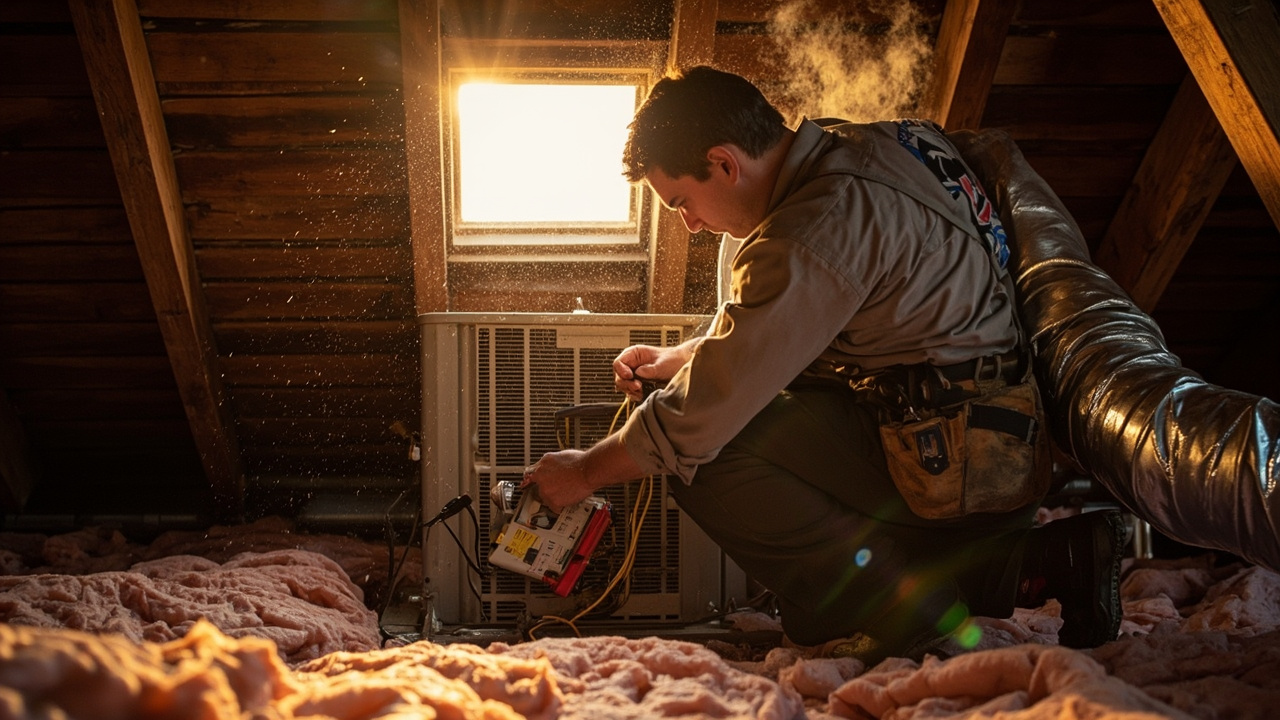
On the call we ask when the symptom started, what changed just before it, and the rough age of the equipment if you know it. On site we start with filter, coil and return path, since restricted airflow and refrigerant buildup can mask a system's actual condition before any other reading is taken. If maintenance and install history exist, we look at those too, since a system installed to match the home's load and serviced on a regular pattern is a stronger candidate for more years of service than one with no history at all.
Measuring what is left
With airflow checked, we measure running amps on both the compressor and the blower using a clamp ammeter, comparing them to the rated load amps on the data plate, then to the temperature split across the coil and, where the metering device calls for it, superheat and subcooling. Together these readings show whether a part is failing, whether the refrigerant charge points at a leak, or whether the system is fundamentally sound and simply undersized or oversized for the house it is cooling.
Deciding and documenting
We weigh the cost and reach of a repair, such as a compressor or heat exchanger, against what a properly sized replacement offers over the years ahead, and we say plainly which way the readings point. A secondary space that sits empty most of the year can tolerate a system nearer the end of its service life longer than a primary residence can, and we say that too. You keep the readings and the written scope, so the decision is based on what was measured rather than on the sticker on the equipment.
Why an unfamiliar crew gets Waco lifespan wrong
A crew that only checks equipment age treats every unit the same, and around Waco that assumption puts an eighteen year old system and a nine year old one under the same recommendation. McLennan County sits on Blackland Prairie clay, and that soil shrinks in drought and swells when it rains, which shifts slabs and the pads outdoor condensers sit on. A unit nudged off level for years develops stress at the line set connections long before the compressor itself shows wear, and a crew unfamiliar with this ground reads a refrigerant leak as random rather than checking the pad first.
Hard water drawn from surface supply leaves calcium and magnesium scale in anything that handles moisture, and condensate lines here carry that mineral load year after year. An unfamiliar crew reads a slow condensate drain as age and recommends replacement, when clearing scale and checking the trap solves it. Hail common to this part of the state can flatten condenser coil fins in a single storm, cutting airflow across the outdoor coil in a way that looks identical to normal wear, and the two are told apart only by looking at the fins rather than the birth year on the data plate.
Winter storms that bring hard freezes and grid strain can put a surge through equipment when power returns after an outage, and a heat pump that failed the week after one of those storms often gets written off as simply old rather than checked for surge damage to the board or compressor windings. Long, humid summers add another layer, since equipment here runs close to nonstop for months rather than cycling normally, and that runtime pattern wears electrical components on a schedule that has nothing to do with the compressor's own condition. A recommendation to replace should follow what the parts and readings show.
The difference between a worn component and a failed connection matters here, and it matters more than the calendar age of the unit. A refrigerant line that leaks because the outdoor pad has shifted under it can be capped and rerouted without replacing the whole system, just as a frozen condensate line can be thawed and treated rather than torn out. Condenser fins flattened by hail restore partial function after straightening, and electrical damage from a power surge affects only the failed part, not the cabinet it sits in. Every local condition changes what a recommendation should be.
If this sounds close but not quite your situation, how to choose the right ac size may be the better starting point.
What working with us looks like on a lifespan call
Scheduling and arrival
You call and describe the symptom and the rough age of the equipment, and that tells us whether the visit fits in today or goes on the next available slot. We confirm a window before we come, and if the job ahead of yours runs long we call to say so rather than leave you watching the driveway. You are not left guessing whether today is the day someone shows up.
Care around your home
Before anything comes apart in the attic or the closet, we lay down floor protection and keep dust and insulation contained around the work area. Tools and parts stay staged rather than spread through the house, and anything removed, like an old filter or a failed capacitor, leaves with us. The attic hatch or closet door gets closed back up the way it was found when we finish.
What moves the cost
The biggest fork on a lifespan call is whether repair or replacement makes sense, and that turns on the capacity and efficiency tier of any new equipment and whether the indoor coil gets matched to a new outdoor unit or half the old system stays in place. Matching the coil to the condenser costs more up front but avoids a mismatch that shortens both. We write the scope once readings are in, and you see and approve it before ordering or work begins.
How we check our work
A newer technician rides along on lifespan and diagnostic calls before running one alone, and a lead signs off on their ability to read a clamp ammeter and static pressure correctly before that happens. Where a reading sits right at the edge, such as amps close to the rated load line, a second technician looks at the same numbers before we write a repair or replace recommendation, so the call is not made on one person's read.
You Have Questions,
We Have Answers
A system should keep delivering close to a 15 to 20 degree temperature drop between return and supply air for most of its working years. When that drop falls well below range, or well above it, the coil, airflow or charge is failing, and that reading says more about years left than the install date does.
It can, but usually only in parts. Capacitors, contactors and blower motors get replaced multiple times over three decades, while the compressor and coil rarely survive that long, especially once a refrigerant leak starves the compressor of lubricating oil. Original equipment still running at 30 years is the exception.
Why 1970s and 1980s Waco houses age differently
Houses built through the 1970s and 1980s around Waco are mostly brick veneer on slabs, put up with central cooling already part of the plan rather than added later. That means the air handler and the full duct run usually sit in the attic, exposed to the same summer heat the equipment is fighting to remove from the living space below. Decades of that heat age the duct board and early flex duct differently than the equipment inside the house, drying seals, loosening tape joints and letting insulation sag away from the metal. A duct system leaking or losing insulation in the attic pulls heat back into the supply air after the coil has already cooled it, so the compressor runs longer to deliver the same result and gets blamed for a duct problem that started above it.
The other local factor is how the equipment was sized in the first place. A system matched to the home's actual heating and cooling load through a proper load calculation cycles the way it was designed to and puts predictable wear on the compressor and blower. A system sized off the old unit's tonnage or off square footage alone, which was common practice decades ago, often runs longer per cycle than it should, and that extra run time is exactly what the clamp ammeter reading picks up as amps that sit higher than the rated load for longer stretches. Knowing that a 1970s or 1980s brick house was likely sized this way changes what we check first, and it is why the amperage and duct condition together tell a more honest story than the age on the equipment tag.
HVAC Services in The Waco Area
Explore our service area and locate Granite HVAC Waco with ease. We're proudly local and serve the surrounding neighborhoods with fast response and honest pricing. Use the map to check our coverage area, or call us and we'll confirm in seconds.
Address:
Granite HVAC Waco, Waco, TX, 76701
Additional Services We Offer
- Air Filter MERV Ratings Guide
- Ductless Mini-Split Buying Guide
- Furnace AFUE Ratings Explained
- Heat Pump vs. Furnace Comparison
- How to Choose the Right AC Size
- HVAC Repair Cost Guide 2026
- HVAC Tax Credits & Rebates Guide
- R-454B Refrigerant Transition Guide
- Repair vs. Replace Your AC
- Seasonal HVAC Maintenance Checklist
- SEER2 Ratings Explained
- Signs You Need a New Furnace
Changing filters on schedule, keeping the area around the outdoor unit clear, and rinsing condenser fins with the power off at the disconnect are genuinely homeowner tasks. Where it stops is refrigerant, anything behind the blower door, and anything inside an electrical panel, because those carry pressure and voltage that are not safe to work on without training. If what we find points to a gas burner or flue issue, we say so on the first visit and tell you it needs that specific attention.
Before you call, know roughly how old the equipment is and when the symptom started, along with anything that changed just before it, like a storm or a power outage. If you can, note whether the system is running longer than usual for the same result. Knowing where the thermostat and the breaker panel are also helps the first visit move faster.
Last reviewed September 2026 by Dale Whitfield, Service manager.