

What a Waco furnace has to prove on the first cold night
Most years the furnace sits idle from March through November while the air conditioner does the work. Then the first hard freeze arrives, the thermostat calls for heat, and the burner lights, runs for under a minute, and shuts off. It tries again. Same result. By the third attempt the control board stops trying at all, and the house stays cold through the coldest hours of the night. That sequence is not a broken furnace. It is a flame sensor that spent the summer accumulating a thin oxide coating, weakening the signal it sends the control board until the board reads no flame and cuts the gas valve as a safety response.
This is what makes winterizing here different from a long northern shutdown. Waco heating season is short and mostly mild, broken by arctic snaps that arrive fast and do not last long. Equipment built to run a few dozen days a year gets asked for full output overnight, and whatever weakened quietly during the humid months shows up all at once. Attic mounted furnaces and heat pumps common across the housing stock here go from nine months of near disuse straight into a demand they were never gently warmed into.
A generic winter checklist treats every furnace the same, changing a filter and calling the thermostat programmed. That misses the actual failure point. A furnace that has already dropped out once this season is telling you the flame sensor signal is drifting, and no amount of filter changing fixes that. The tasks that matter before a freeze are diagnostic: reading the sensor signal in microamps, confirming the pressure switch holds the right differential, and verifying the draft switch responds to airflow. These are not cosmetic tasks. A weak signal at the flame sensor is measurable and fixable before it becomes a lockout.
Here is the point where waiting stops being reasonable. A coated flame sensor produces a weak signal, the burner lights and drops out again and again as that signal keeps failing, and after enough failed attempts the control board locks itself out on repeated trials. Once that happens the house goes cold overnight, usually during the same cold snap that made the fault obvious in the first place. The difference between a furnace that heats and one that does not often comes down to whether that sensor was cleaned and tested while the signal was still marginal, or left alone until the control board gave up trying.
See hvac tax credits & rebates guide for how the related work is scoped and priced.
The EPA's indoor air quality resources are the reference we point customers to on ventilation and filtration questions.
How a pre freeze furnace check runs
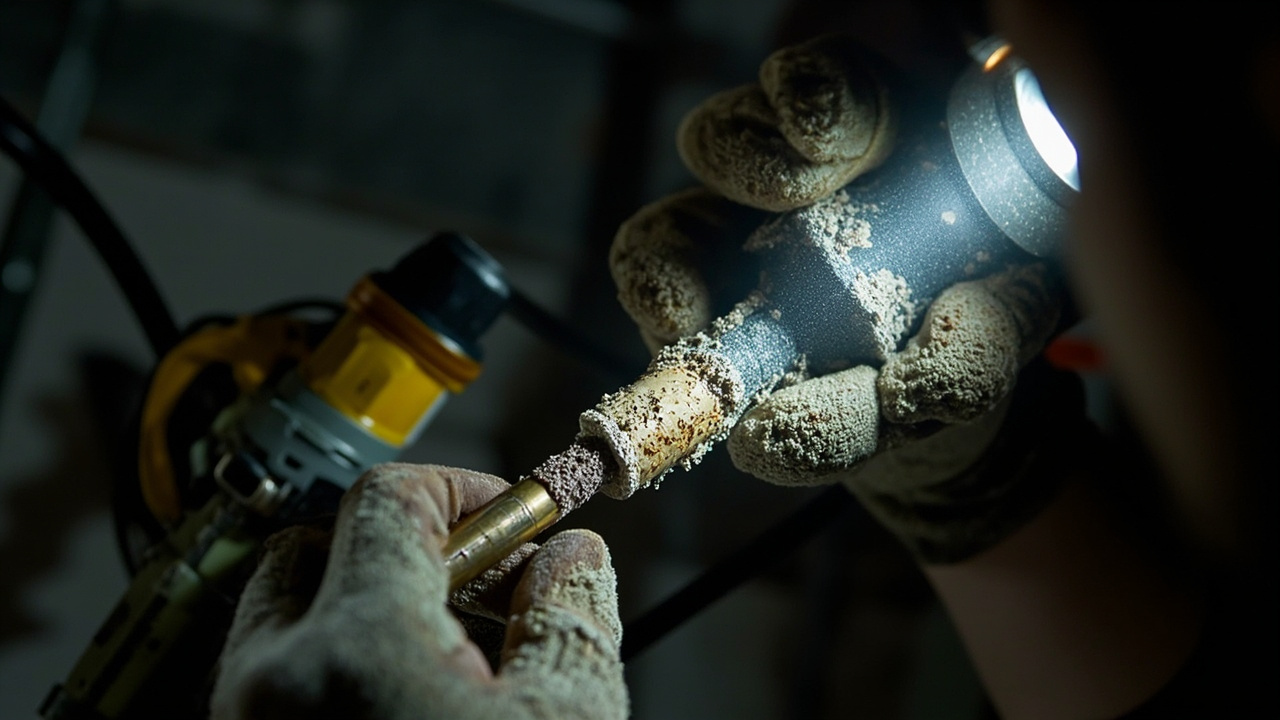
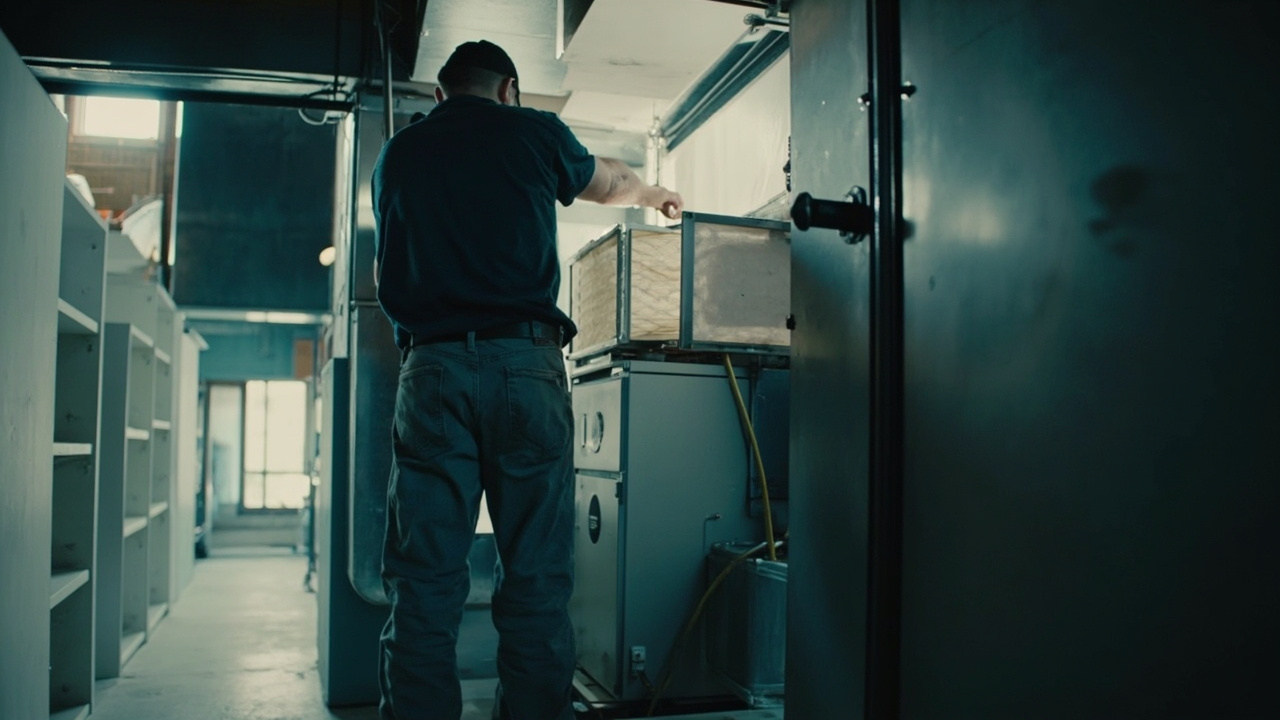
The visit starts with ignition rather than the thermostat. The furnace gets cycled and watched through a full start, because a unit that lights, runs briefly, and drops out is showing a specific fault with measurable parameters. Flame sensor signal gets read in microamps before anything is touched, and that number either sits well above the control board dropout point or it is drifting toward it. A weak or falling signal points straight at a coated sensor rod rather than a wiring fault or a bad board, which is the fork this reading exists to settle.
If the signal is low, the sensor comes out, gets cleaned with a soft abrasive pad rather than sandpaper, and goes back in for a second reading rather than a visual check. A rod that still reads weak after cleaning gets replaced instead of reinstalled and hoped over. The pressure switch and draft get proved next, since a blocked flue or a plugged condensate trap can hold that switch open and create the same symptom pattern as a sensor fault, and skipping this step is how a furnace relights once and drops into lockout again on the next cold night.
Where the house runs a heat pump instead of or alongside gas heat, the comparison shifts significantly. A gas furnace delivers the same heat output at any outdoor temperature and is rated on AFUE, while a heat pump's output falls as the outdoor temperature drops and is rated on HSPF2. Backup heat strips carry the load once the unit passes its balance point. A dual fuel setup switches between the two at that balance point, so confirming the defrost board cycles correctly becomes as critical as confirming flame signal on a furnace alone. Either component failing on the coldest night produces the same outcome: a cold house by morning. The defrost board runs the reversing valve to shed ice buildup from the outdoor coil, and a stuck valve or failed board timer means the outdoor unit never recovers its ability to exchange heat, even though the compressor keeps running. Testing the reversing valve with a multimeter and watching a full defrost cycle confirms the board is sending the command and the valve is responding to it. This verification step prevents a second service call and confirms that both heating sources work together as designed through the transition between them.
Our page on how long does an hvac system last covers that side of the work in more depth.
Permit and inspection questions? Commercial Construction Permits is the office we coordinate with on every permitted Waco job.
How a winterizing visit runs
The call and the first check
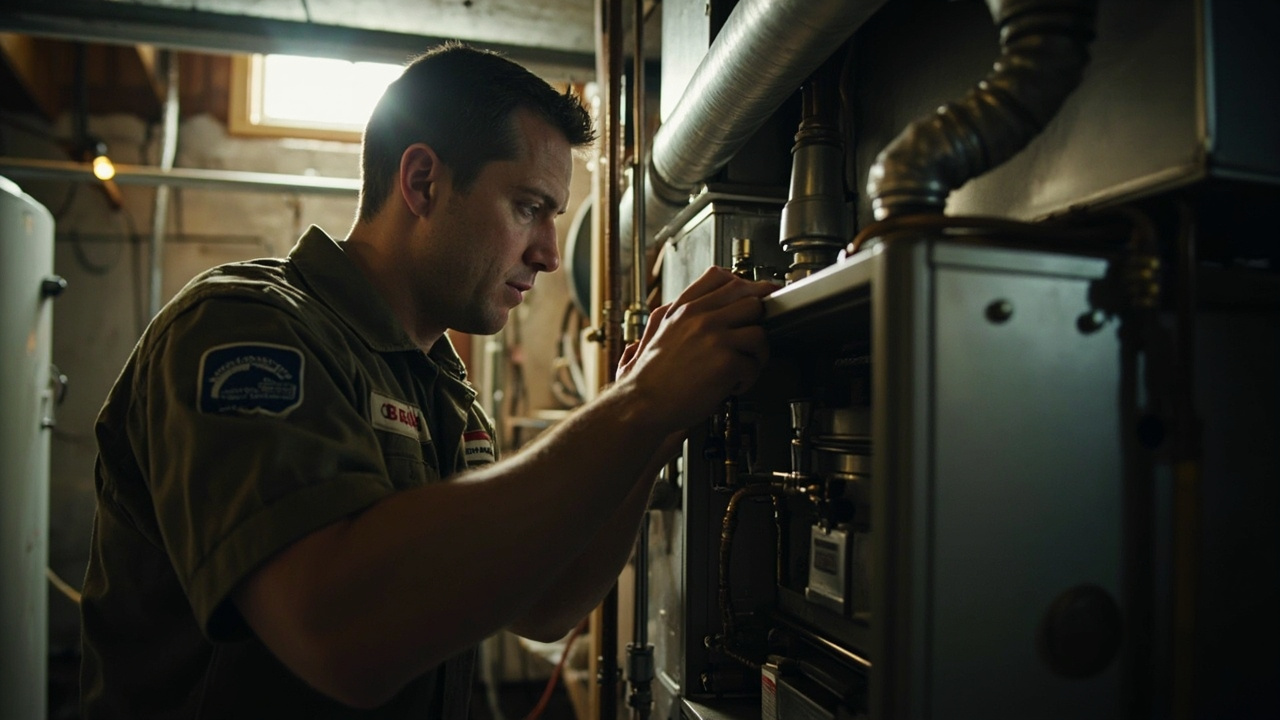
On the phone we ask how long the furnace has been in place and whether it has already lit, run briefly, and shut off on its own this season, since a unit that has already dropped out once moves ahead of a routine check. Once someone is on site, the furnace gets cycled through a full ignition sequence while its response is watched rather than assumed. Flame sensor signal is read in microamps before any cleaning happens, and that reading, not a visual look at the rod, decides whether the sensor is the fault or whether the pressure switch and draft need testing next.
Approval and the work itself
Once you have seen what the readings show, the sensor gets cleaned with a soft abrasive pad if that is what the signal calls for, and the pressure switch and draft are tested rather than assumed fine because the sensor was the obvious suspect. If the readings point past a routine clean toward gas piping or wiring, we stop and explain what turned up and what it means before going further. Nothing beyond the initial diagnostic check happens without you seeing what was found first.
Confirming the fix holds
Before anyone leaves, the furnace gets cycled again and the flame sensor signal is reread, comparing the after number against the before number rather than trusting that cleaning alone solved it. A signal that holds well above the dropout point through two full cycles is what closes out the visit. You are walked through what the readings showed and what changed, and you keep that comparison as your record of the furnace's condition heading into the next cold snap.
Why the housing stock here changes what gets checked
Furnace location depends heavily on when a house was built. Post war ranch houses common across Waco tend to put the gas furnace in a hall closet or a garage with the ductwork running through the attic above, which means the flame sensor and inducer motor sit in a cramped space with limited working room. Houses from the 1970s and 1980s put the same equipment in the attic outright, on duct board or early flex duct that has spent decades in summer attic heat before anyone thinks about winter. Newer construction from the 1990s forward keeps the air handler and ducts in the attic as well, whether the heat source is a gas furnace or an electric heat pump.
A crew unfamiliar with that layout tends to make a specific mistake. They pull the flame sensor, clean or replace it, and call the job done without checking whether a blocked flue or a failing pressure switch was the actual reason ignition was inconsistent. The furnace relights that afternoon, looks fixed, and drops into the same lockout on the next cold night, because the pressure switch was never tested. Working this housing stock regularly means knowing that a hall closet furnace and an attic furnace fail differently, that access itself changes how long a proper check takes, and that a rushed visit in a tight closet is where a pressure switch fault gets skipped in favor of the easier sensor swap.
Winter furnace preparation done properly treats the sensor, the switch and the draft as three separate checks rather than one repair, because the housing stock across this city puts all three in play depending on the decade the house was built.
If this sounds close but not quite your situation, hvac repair cost guide 2026 may be the better starting point.
The U.S. Department of Energy's home heating and cooling guide explains the efficiency math behind our recommendations.
What to expect once you call
Scheduling before the freeze hits
A call about winterizing usually starts with two questions, the age of the furnace or heat pump and whether it has already dropped out or short cycled this season. That tells us whether the visit is routine or should move up ahead of the next cold snap. You get a scheduled window rather than an open ended promise, and if a job ahead of yours runs long because a lockout turned out to involve more than a sensor, we call and move your window rather than leaving you guessing.
Keeping the closet or attic clean
Furnace closets and attic platforms are tight, so a drop cloth goes down before any panel comes off. Tools stage on the cloth rather than the floor or the insulation around the platform. Anything removed, an old filter, a failed sensor, gets bagged rather than set down loose. Before leaving, the access panel goes back on, the closet or attic hatch is closed, and the space looks the way it did before the visit started.
What moves the scope and cost
A routine sensor clean and signal check is different from work that touches gas piping or wiring, since equipment and gas or electrical work generally carries its own permit and inspection requirements while a like for like component swap usually does not. Access matters too, a cramped closet or a low attic platform takes longer than a garage furnace. Whatever the visit turns up gets written down as a scope before anything beyond the initial check happens, and you see that scope and approve it before further work starts.
How technicians get signed off
A new technician works alongside a lead on furnace and heat pump calls before handling one alone, and part of what the lead checks off is whether the technician takes a flame sensor microamp reading before and after cleaning it rather than assuming the cleaning worked. On anything involving a heat pump defrost board acting up, a second technician looks at the readings before a repair gets written up.
You Have Questions,
We Have Answers
Winterizing here means testing ignition, flame sensor signal and pressure switch operation before the first hard freeze rather than shutting equipment down. A furnace that idled all summer needs its flame sensor signal checked in microamps, since a weak reading is what causes lockouts on the coldest night. Heat pump owners should also confirm the defrost cycle and backup heat strips engage correctly near the balance point, because outdoor coils here can ice during even a short cold snap.
Running an air conditioner at 30 degrees outdoors risks the compressor rather than the furnace. Refrigerant oil thickens at low ambient temperature and circulates poorly, so a compressor start at that temperature can run without adequate lubrication. Waco's cold snaps are short, so this rarely comes up outside a hard freeze, but leaving cooling off during those stretches protects the compressor while the furnace or heat pump carries the load instead.
A furnace blower runs on demand during heating calls rather than continuously, cycling on when the thermostat calls for heat and off once setpoint is reached. Running the ECM blower fan continuously in the on position pulls air across a coil or heat exchanger even between calls, which raises electrical draw for filtration benefit rather than comfort. On a heat pump, the outdoor fan also runs briefly in reverse during a defrost cycle, which is normal rather than a fault.
Why Waco's mild winters make one cold night the test
Waco winters run mild most days, with heating season lasting roughly from late November through February and only occasionally interrupted by a hard freeze that drops temperatures sharply for a short stretch. That pattern means heating equipment across McLennan County spends most of the season barely working, then gets asked for full output the moment a front comes through. Housing stock built across different decades responds differently. Older houses on pier and beam floors often have furnaces and added ductwork that shifted slightly as the ground under them moved, while newer construction keeps a furnace or heat pump and its ductwork in an attic that swings from summer heat to a cold snap within days. Protecting an outdoor heat pump unit from snow and ice matters here too, since a short freeze can still ice an outdoor coil even where snow itself is rare.
Fuel choice here is a mix, and it shapes what a winterizing visit is checking. Atmos Energy serves natural gas across the city, so many homes run a gas furnace as primary heat with no outdoor coil to worry about icing. Homes running an electric heat pump depend on Oncor delivered power and on that defrost board and backup heat strip working correctly the moment the outdoor temperature drops toward the balance point. Heating driven cost spikes tend to line up with the same short cold snaps that expose a weak flame sensor or a failing defrost cycle, so a furnace that keeps dropping into lockout is not just a comfort problem, it is also the same furnace running its inducer motor and igniter longer than it should on every failed attempt.
HVAC Services in The Waco Area
Explore our service area and locate Granite HVAC Waco with ease. We're proudly local and serve the surrounding neighborhoods with fast response and honest pricing. Use the map to check our coverage area, or call us and we'll confirm in seconds.
Address:
Granite HVAC Waco, Waco, TX, 76701
Additional Services We Offer
- Air Filter MERV Ratings Guide
- Ductless Mini-Split Buying Guide
- Furnace AFUE Ratings Explained
- Heat Pump vs. Furnace Comparison
- How Long Does an HVAC System Last
- How to Choose the Right AC Size
- HVAC Repair Cost Guide 2026
- HVAC Tax Credits & Rebates Guide
- R-454B Refrigerant Transition Guide
- Repair vs. Replace Your AC
- Seasonal HVAC Maintenance Checklist
- SEER2 Ratings Explained
Clearing debris and light snow from around an outdoor heat pump unit, checking the thermostat batteries, and swapping a furnace filter are genuinely homeowner tasks. Winterizing stops at the flame sensor, the pressure switch, the control board and anything involving the gas valve or line, because those sit behind a burner compartment that should not be opened without a combustion reading to back up what looks fine by eye.
Before you call, know whether the furnace or heat pump has already short cycled or dropped out this season, and roughly when it started. Have the age of the system if you know it, and know where the furnace closet, attic hatch or heat pump disconnect is located. Those answers usually tell us whether this needs a visit before the next cold snap or can wait for a scheduled check.
Last reviewed September 2026 by Dale Whitfield, Service manager.